THE Western Pacific Regional Fishery Management Council has welcomed President Donald Trump’s proclamation, Restoring American Commercial Fishing in the Pacific.
The council described the proclamation as an important step toward returning fisheries management decisions in the Pacific to the regional council process and the Magnuson-Stevens Fishery Conservation and Management Act.
“It’s my honor to be taking this action to lower seafood costs and generate millions and millions of dollars in new business for our great fishermen … by restoring commercial access to three areas of the western Pacific Ocean,” Trump said as he signed the proclamation today.
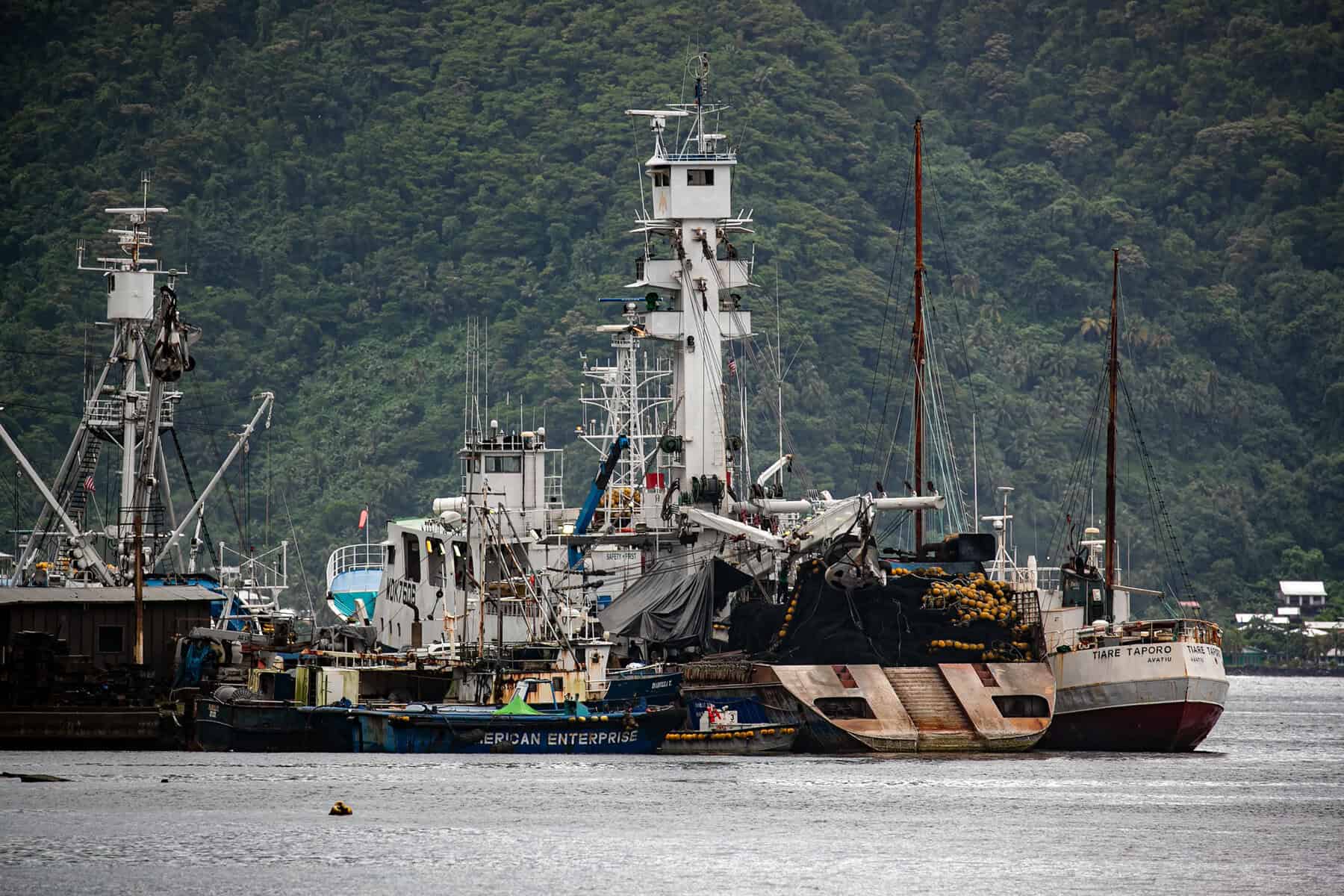
Lifting the ban means commercial fishing operators have access to federal waters in the Pacific, ending earlier closures intended to protect marine life and fish.
Rose Atoll was closed to commercial fishing in January 2009 when President George W. Bush designated it as a Marine National Monument.
Council members viewed the White House signing ceremony during the opening session of the third day of the Council’s meeting in Pago Pago.
Secretary of Commerce Howard Lutnick acknowledged the importance of fisheries to the U.S. Pacific territories and the State of Hawai‘i.
“We are pleased that under the authority of the Magnusons-Stevens Act, the management of fishing in monument waters is returning to the fishery councils,” said Council Executive Director Kitty Simonds.
“The Council is committed to continue working together with our fishing communities in American Samoa, Hawai‘i and the Northern Mariana Islands to discuss and develop fishery management plans in these areas.”
“Today’s proclamation is a significant and welcome development for American Samoa,” said Council Chair Nathan Ilaoa.
“The closure of waters around Rose Atoll has restricted access to important fishing grounds since 2009. As American Samoa invests in a new generation of longer-range fishing vessels, restoring access to these areas will help ensure that local fishermen are able to fully benefit from those investments and continue contributing to our economy and food security.”
At its March 2026 meeting, the Council recommended restoring commercial fishing access to 12 to 50 nautical miles at Muliāva (Rose Atoll), 0 to 50 nm in the Marianas Trench Islands Unit. In Papahānaumokuākea, longline fishing from 0 to 50 nm remains prohibited. For bottomfish and other fisheries, 0 to 3 nm remains closed.