In the western Pacific Ocean lies the Federated States of Micronesia (FSM), a Pacific nation made up of 607 islands spread across four states: Yap, Chuuk, Pohnpei, and Kosrae. Among them is the remote atoll of Pingelap Atoll, part of Pohnpei State, where something extraordinary is taking root both literally and metaphorically.
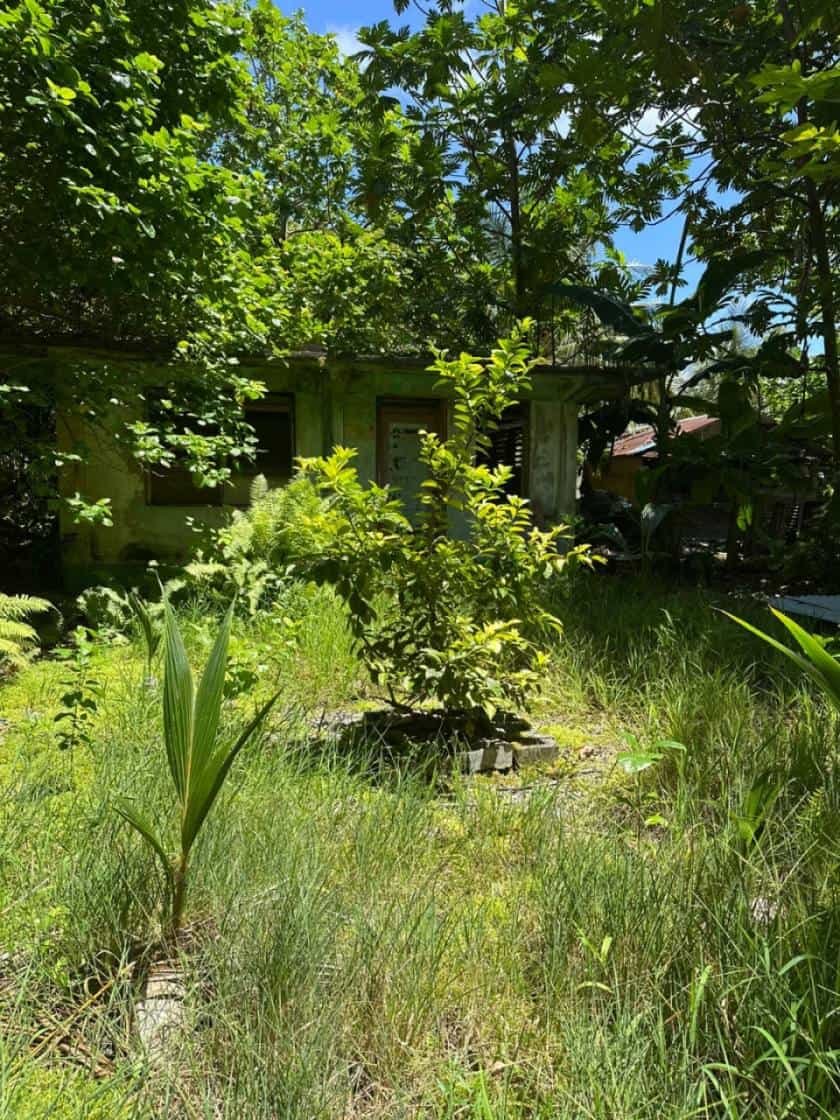
Among the coconut palms and breadfruit trees, the community is nurturing the first Sunkist orange tree ever planted on the island. A bright citrus fruit from across the ocean, now growing in Micronesian soil. It’s a small but powerful symbol of what’s possible when new energy of all kinds is introduced with care.
Pingelap is known around the world as “the land of the colourblind”, where a rare genetic condition has shaped how many residents perceive the world. In a place where colours are not always seen, light takes on a deeper meaning, not just about visibility, but vitality, connection, and opportunity.
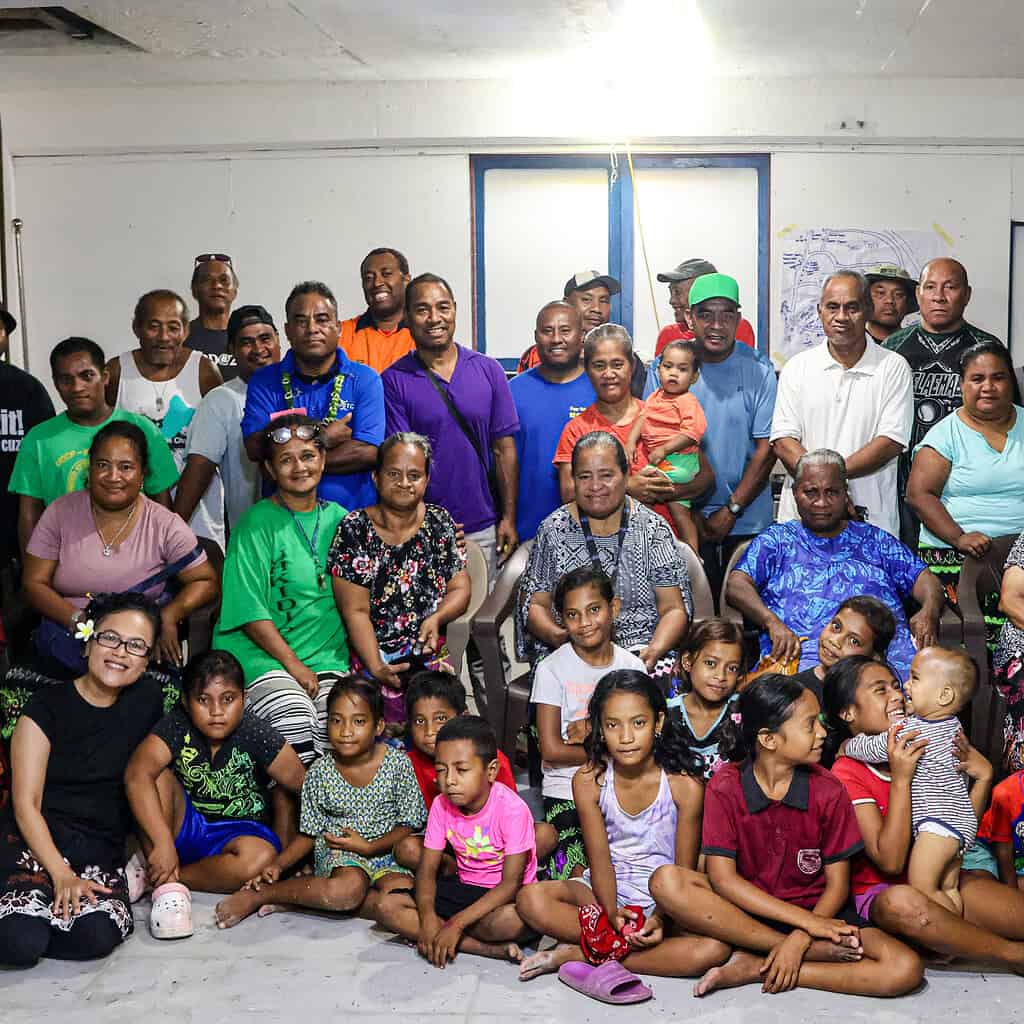
As part of the Pingelap Atoll Solar Validation Study, the Pacific Community (SPC) is working in close partnership with the FSM Government, spending time with the community, meeting with local elders, visiting homes, and holding open conversations with residents. This has been more than a technical assessment; it has been a journey of listening, learning, and co-creating solutions that reflect the realities of life in the community.
Currently, most households rely on small solar home systems or gasoline generators. Batteries wear out quickly, and waste is piling up. But the desire for change is strong. Residents dream of reliable, clean energy that could power lights for schoolwork, refrigeration for medicines and fish stocks, internet access, and even small businesses.
At the heart of this initiative is community ownership. The FSM Government has played a vital role in enabling this work, ensuring that the voices of the community in Pingelap are central to every step, through partnerships grounded in trust and local leadership. The work goes beyond just installing solar systems. It’s about making sure the solutions are practical, sustainable, and shaped by the people who will
use them. The systems need to fit the local context, not just technically but socially, so they can truly support everyday life.
This initiative is made possible with funding support from the Australian Government, working in partnership with the FSM Government, the Pacific Community (SPC), and the people of Pingelap. Together, the focus is on building long-term capacity and ensuring that energy solutions are
grounded in local needs and leadership.
Like the Sunkist orange tree now growing in Pingelap, these efforts represent something new. With steady support and collaboration, they have the potential to grow and benefit the community over time.
In Pingelap where colour may be rare, light plays an important role. And with continued partnerships and
collaboration, the outlook for the community is hopeful.