TUVALU is calling for stronger international investment in eye-care services to prevent avoidable blindness and ensure people in remote island communities have access to quality treatment.
Prime Minister Feleti Penitala Teo made the call at the Global Summit for Eye Health in Antigua and Barbuda, where he highlighted the need for greater international cooperation and predictable financial support to address eye-health challenges facing Small Island Developing States (SIDS).
Teo said geographical isolation, high transportation costs and limited specialist services continued to create barriers to healthcare delivery across island nations.
He said preventing and treating blindness went beyond medical care, describing eye health as an issue of human dignity, social responsibility and economic development.
“For Tuvalu, the prevention and cure of blindness is not only a medical issue and a social obligation, it is a matter of human dignity and economic development,” Teo said.
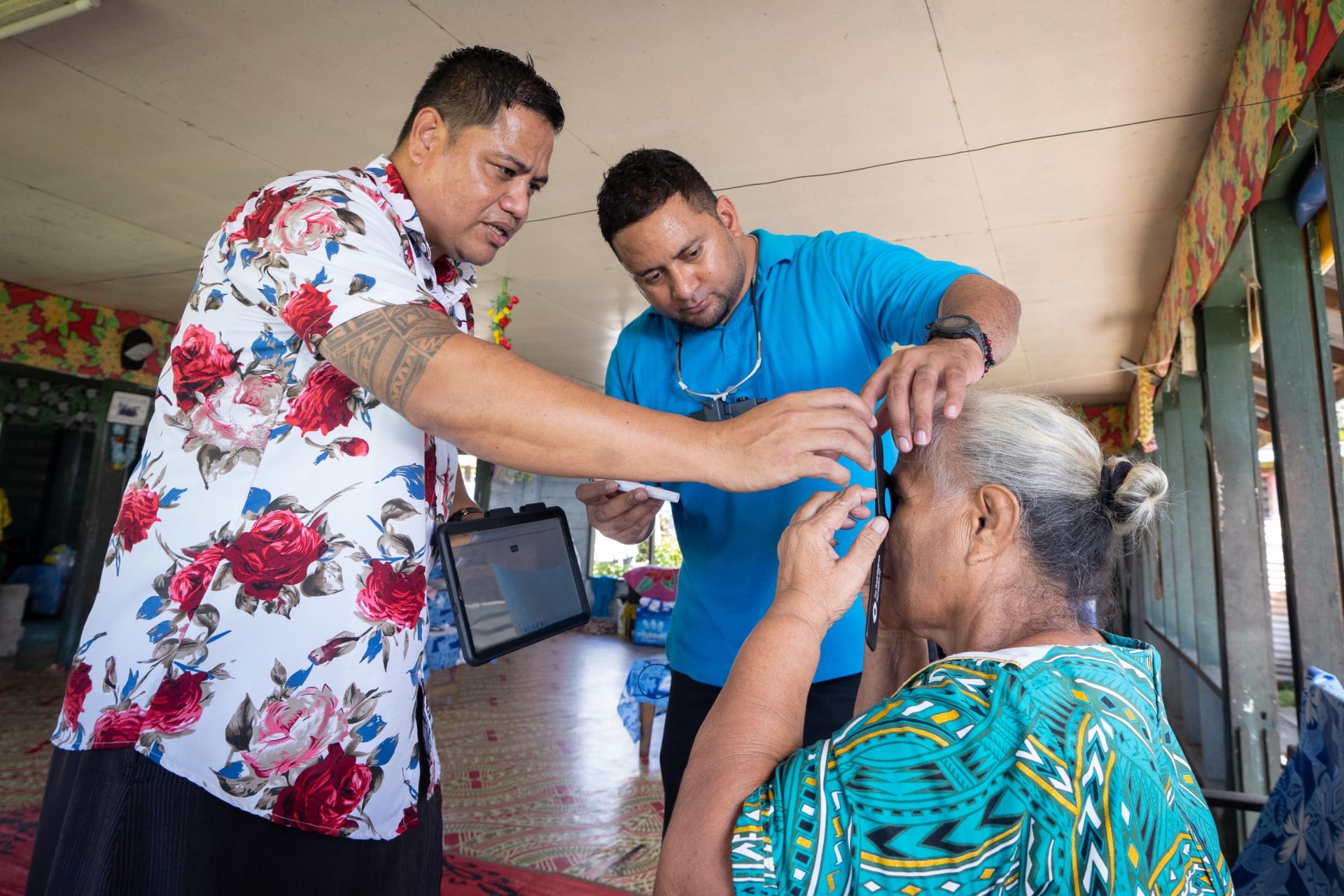
He highlighted Tuvalu’s progress in strengthening its national eye-health services, including establishing a dedicated Department of Eye under the Ministry of Health and Social Welfare in June last year.
Through partnerships with the Pacific Eye Institute, Australia, Taiwan and other development partners, Tuvalu has screened more than 830 patients over the past year and this year, with 117 cataract surgeries successfully performed in the country.
However, Teo stressed that continued progress would depend on sustained international support to ensure people in remote island communities could access essential eye-care services.
He called on development partners and the international community to provide direct, accessible and predictable financial assistance that takes into account the particular challenges facing SIDS.
“Let this summit be the turning point for global political commitment,” Teo said.
Tuvalu is also committed to developing a practical National Eye-Care Plan by December 2027, which will guide coordinated improvements in eye-health services through to 2030.
The plan will prioritise access for people living on outer islands, rural communities and older persons.
The Government of Antigua and Barbuda convened the Global Summit for Eye Health, with support from the World Health Organisation (WHO) and the International Agency for the Prevention of Blindness (IAPB).