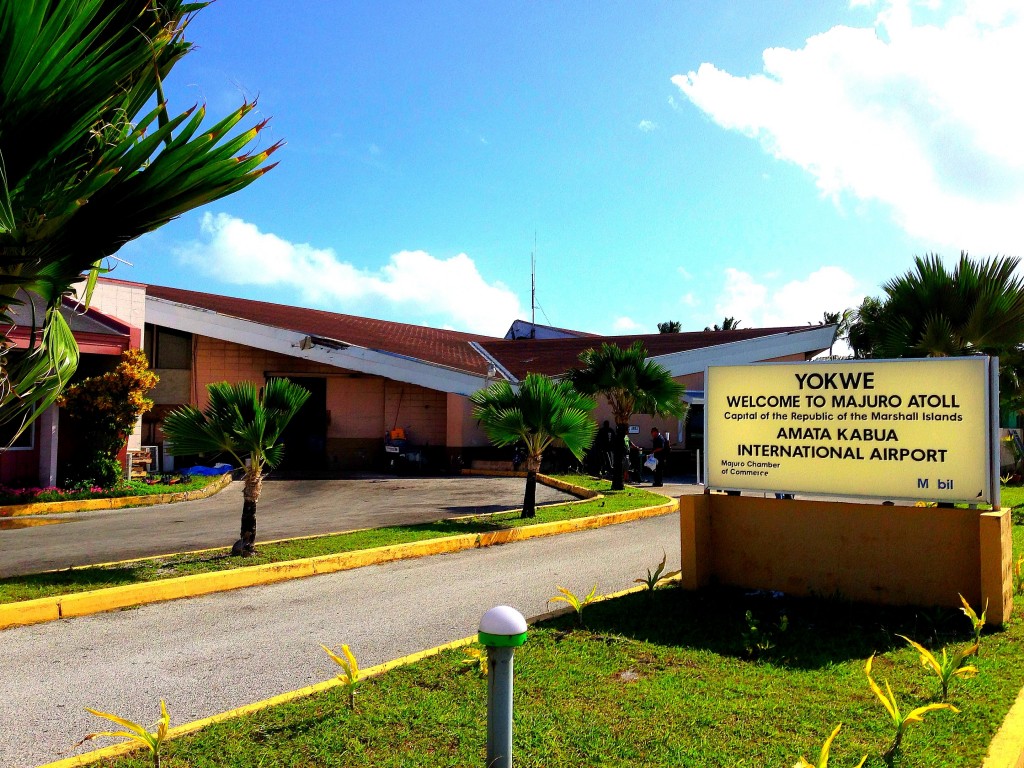
THE World Bank Group has released $US11 million to help the Marshall Islands respond to worsening El Niño conditions and an ongoing dengue outbreak affecting communities.
The emergency financing follows the Government’s declaration of a State of Emergency on October 8, 2026.
El Niño conditions have brought hazardous winds, ocean swells and increasingly dry weather, threatening water supplies, food security and livelihoods across the country.
Meanwhile, a dengue outbreak affecting Majuro and Ebeye has placed additional strain on health services and government resources.
World Bank Group Director for the South and North Pacific, Tatiana Proskuryakova, said the combined emergencies were putting pressure on families and essential services.
“For families across the Marshall Islands, El Niño and dengue are putting added pressure on daily life and the services they rely on,” she said.
“This rapid financing is about getting support to communities when they need it most while keeping the critical services people depend on running.”
The $US11 million was released through the Marshall Islands’ Catastrophe Deferred Drawdown Option, a pre-arranged financing mechanism allowing governments to access funds during qualifying emergencies.
The funding follows an official request from the Government.
Earlier this year, the Marshall Islands became the first country in East Asia and the Pacific to activate the World Bank Group’s Contingent Emergency Response Project.
That activation mobilised $US3.6 million from existing financing to support households affected by the fuel crisis.
Marshall Islands Finance Minister David Paul said the latest funding highlighted the importance of financial preparedness.
“This financing demonstrates the value of preparing before a crisis occurs,” he said.
He said advance planning enabled the Government to respond quickly, protect communities and maintain essential services.
The World Bank Group said it would continue supporting the country’s disaster risk management and public financial management efforts to strengthen resilience against future shocks.
SOURCE PACNEWS