All information in this editorial is drawn from Pacific Meteorological Council reports from the Pacific Island countries mentioned in the article, and it adds no missing details.
ACROSS the Pacific, weather services are trying to do more than announce what is coming. They are building the stations, skills and local channels that can turn a forecast into a decision: when to leave a fishing ground, protect a water supply, prepare for drought or move out of harm’s way.
The country reports describe uneven progress, but a shared direction more locally run forecasting and warnings designed to reach the people who need them.
Federated States of Micronesia
In the Federated States of Micronesia, climate outlooks are increasingly being made at home. Outlook and EAR Watch products are now produced in all four states, giving state and national decision-makers locally owned information. All four states have also earned Tsunami Ready recognition, while staff have received training in alert protocols and media work to improve how warnings reach the public.
The next test is distance. Cellular coverage reaches the four main islands and three outer islands; other communities depend on HF radio. The country report says FSM has completed and submitted its SOFF proposal, opening the way to procure 12 automatic weather stations and an upper-air system. It also describes plans for national and state climate forums, and for services that reach women, people with disabilities and communities at the last mile.
Those forecasts already have practical uses: drought outlooks guide preparedness on vulnerable atolls, emergency agencies use warnings and joint exercises to activate community responses, and fishermen use information to plan trips and navigate dangerous coastal conditions.
French Polynesia
In French Polynesia, the work spans public safety, aviation and the longer view of climate change. Météo-France’s interregional direction provides observations and forecasts, maintains climate records and develops climate services across the territory. The report’s priorities include a weather radar, a wave-submersion vigilance system and fine-scale climate modelling for French Pacific territories.
The ambition is to connect observation to decisions across the islands: stations at 24 airports, stronger aeronautical meteorological support and climate services disseminated to decision-makers. The report lists 100 stakeholders on the email distribution list and 55,000 Facebook followers two different measures of potential reach, not a count of people warned in an emergency.
Kiribati
Kiribati’s weather service has moved from relying on the Fiji Meteorological Service to leading its own public and marine forecasts. Its expanded capacity covers observation, forecasting, climate and ocean services, information technology and technical support. Funding has been secured at the investment phase to upgrade 14 surface stations and three upper-air observation stations.
The warnings address coastal inundation and storm surge, heavy rain and flooding, and marine conditions. A National Climate Outlook Forum platform and a communications and outreach officer are intended to strengthen public awareness. The report points to the next operational needs: a larger office in Betio, more forecasting-team training, and a platform that would allow the service to take on aviation forecasting.
Fisheries, water and agriculture are identified as users of the service: for safety at sea, water-resource planning and farm management.
Republic of the Marshall Islands
For the Republic of the Marshall Islands, the report makes the institutional task plain: the Weather Service needs enabling legislation that places it within government’s organisational structure. Alongside that, priorities include stronger partnerships, more operational capacity and a broader network for meteorological, hydrological, ocean and climate observations.
There are already signs of warnings being put to work. The disaster management office uses climate outlooks, EAR Watch and drought monitoring to inform planning or relief. The service is piloting the Common Alert Protocol, with warnings in local languages and cell broadcasting also listed.
New Caledonia
New Caledonia’s plans focus on seeing and signalling hazards more clearly. The report lists new precipitation radars for Grande Terre, Nouméa and Lifou, alongside a coastal-flooding vigilance system for New Caledonia and a vigilance system for Wallis and Futuna.
Niue
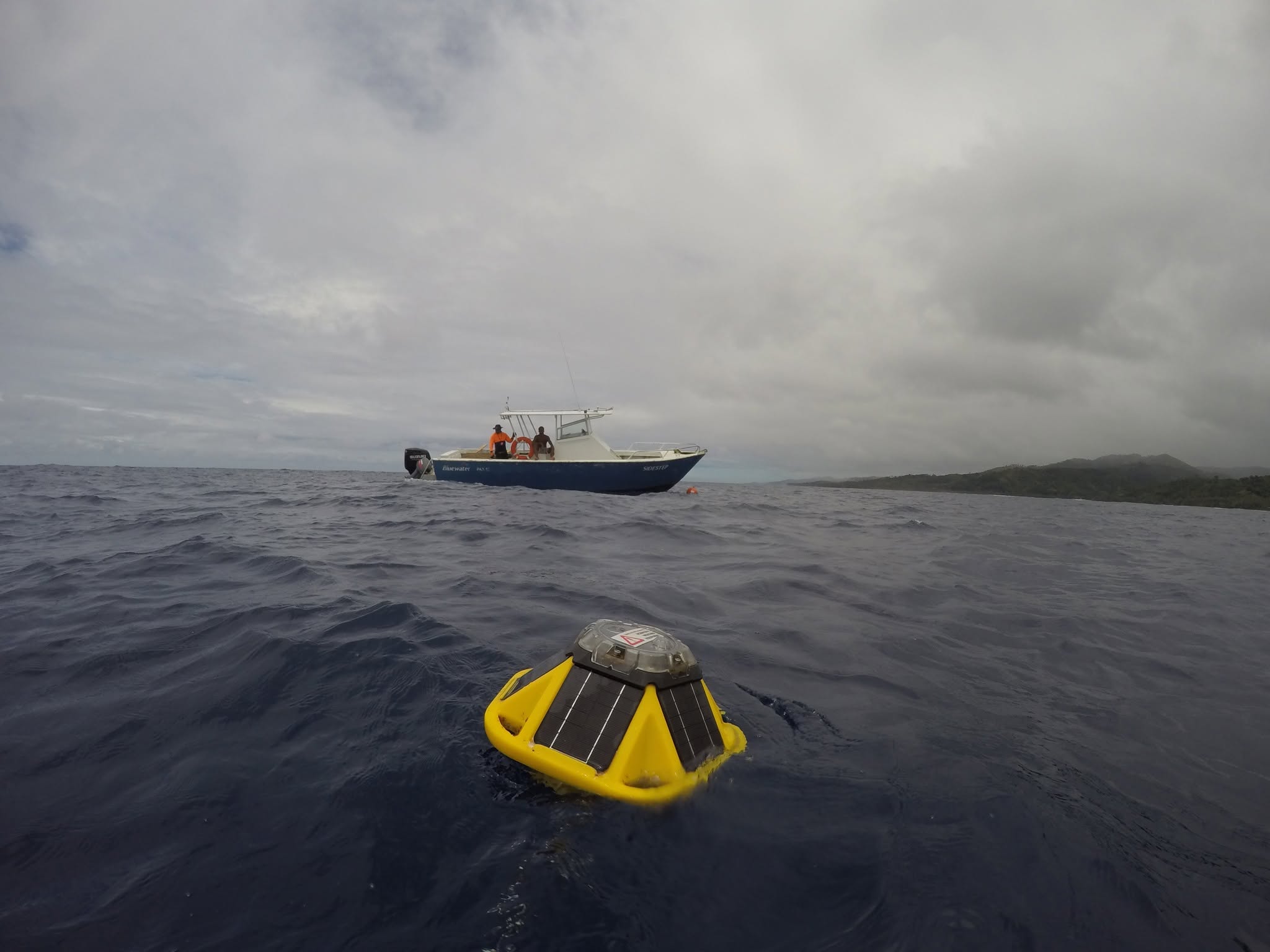
Niue’s report describes a change that is small in scale but important in meaning: three observation points, rather than one, offer a clearer picture of differences in climate across the island. Automated weather stations and wave buoys help show local conditions and the extremes that have set new records. Better tools and staff training, the report says, have improved forecast accuracy and confidence.
Earlier notice of severe weather and climate impacts gives the National Disaster Management Office and village communities time to prepare. The report also records the decisions that forecasts can inform: activating drought alert phases, adjusting farming, hunting and fishing, freezing taro in response to El Niño, postponing marine days and relocating residents from vulnerable west-coast areas to higher ground.
The next step is less about a new forecast than keeping the service able to deliver one: a robust, climate-proofed facility, sustainable equipment maintenance, and stronger support for staff and coordination with communities.
Papua New Guinea
Papua New Guinea’s country report is brief. Still, its priorities are pointed: support for the Regional Training Centre and Regional Instrument Centre in Nadi, operationalisation and sustainability of an integrated forecast platform, and capacity development.
The last mile is the measure.
Across these country reports, stronger forecasts are only part of the story. The test is whether information can travel from instruments and forecasters to agencies, villages, workers and households and arrive early enough to shape action.
Some services are establishing locally produced outlooks and new observation networks; others are seeking durable facilities, legislation, staff or communications systems. The reports offer a snapshot of priorities and progress, not a region-wide measure of warning performance. But their most human details are already about what people do with the information: prepare, postpone, protect a harvest, make a safer trip, or move to higher ground.