PACIFIC Island countries need to work together to reduce transport, freight, and insurance costs for fuel imported from Singapore, in addition to national-level price reduction efforts.
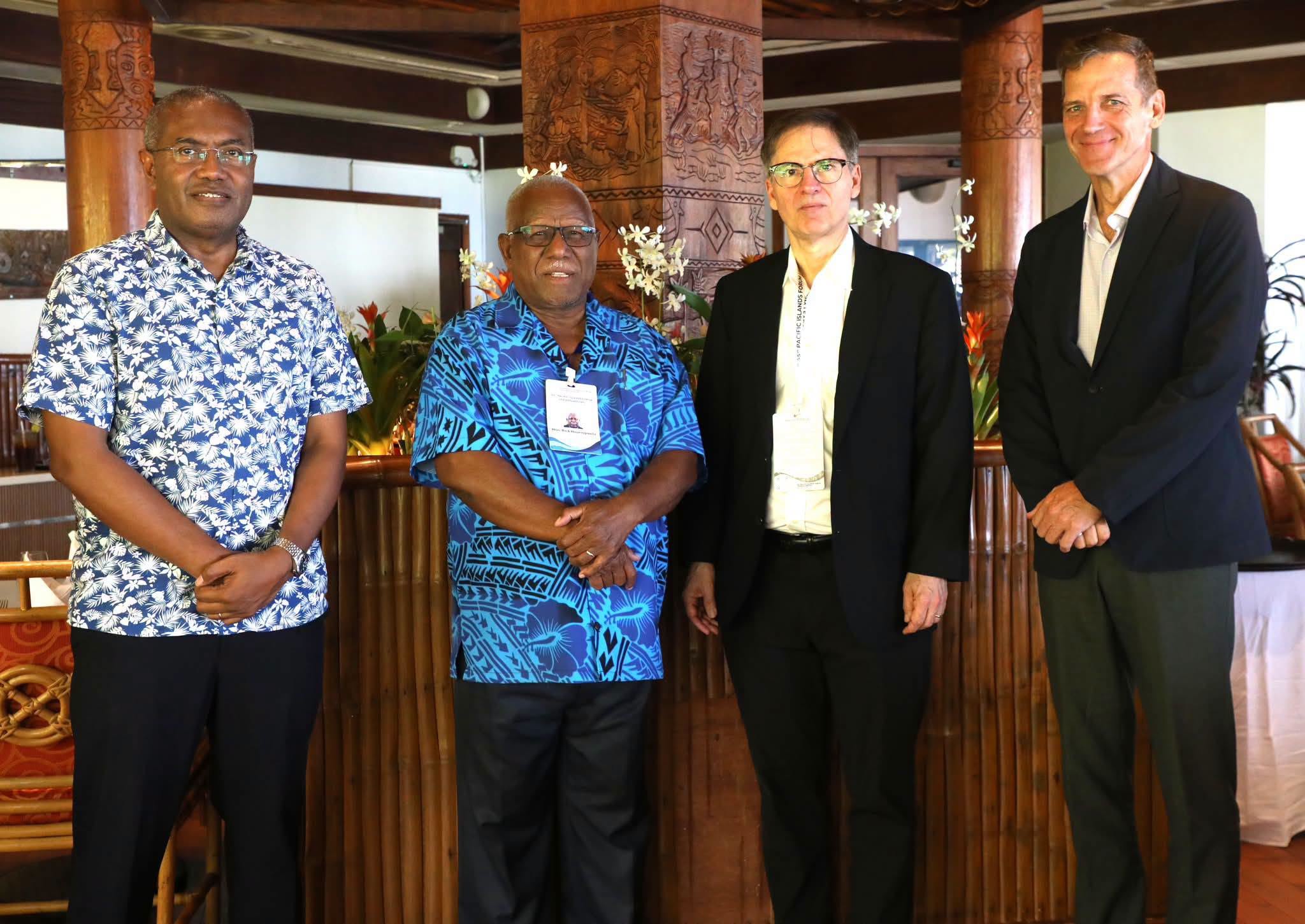
Solomon Islands Foreign Minister Rick Houenipwela highlighted this priority during a meeting with World Bank Regional Vice President Felipe Jaramillo at the 55th Pacific Islands Forum Leaders Meeting, where they discussed energy security, fuel prices, electricity costs, and energy sector reforms.
The World Bank reaffirmed its commitment to supporting the Tina River Hydropower Project, which is expected to play an important role in providing reliable baseload power and reducing reliance on imported fuel.
The Bank has also been working with the government to advocate for $35 million in financing from the Green Climate Fund.
Foreign Minister Houenipwela was accompanied by Minister of National Planning and Development Coordination Peter Kenilorea Jr. Both Ministers emphasised the government’s plan to expand the country’s renewable energy footprint through a mix of solar and hydroelectric power.
They noted that lowering electricity costs is one of Prime Minister Matthew Wale’s key priorities under the Great Coalition Government’s agenda, recognising the heavy burden high energy costs place on households, businesses, and economic growth.
Both Ministers outlined ongoing efforts to manage fuel price pressures and highlighted reforms aimed at improving the efficiency and affordability of electricity across the Solomon Islands.
Jaramillo welcomed the initiatives and outlined potential World Bank assistance across short-, medium-, and long-term frameworks, including investments in fuel storage and renewable energy development.
The meeting also covered the Solomon Islands’ interest in developing a national fuel storage facility that could potentially serve as a regional hub. The Bank indicated its willingness to undertake an analytical assessment of this proposal. Both sides agreed to continue working together on practical measures to reduce electricity costs, strengthen energy security, and support the Solomon Islands’ long-term economic development.