For Pacific leaders, the question is no longer when the next climate or natural disaster will strike, or how severe its impact will be. The question is: how well prepared are we financially when it does?
Expectations are high that governments will have effective response mechanisms in place. Plans and preparedness matter, but when communities need the essentials and emergency support, those plans need to be backed by the financial capacity to act.
Financial preparedness is about investing in greater confidence and certainty before disaster strikes. Across the Pacific, parametric disaster risk finance has moved well beyond theory. It is established, operating, and proven.
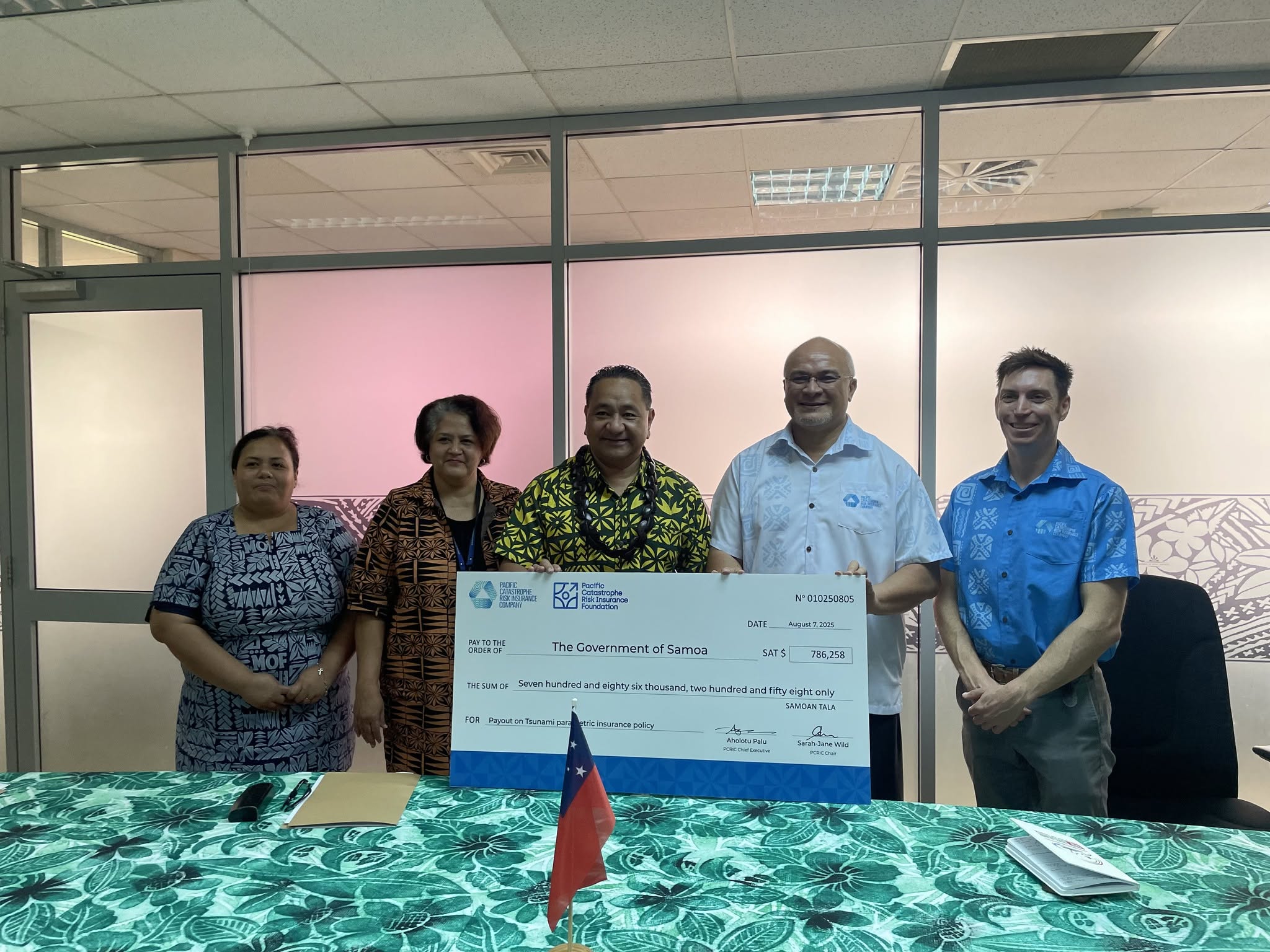
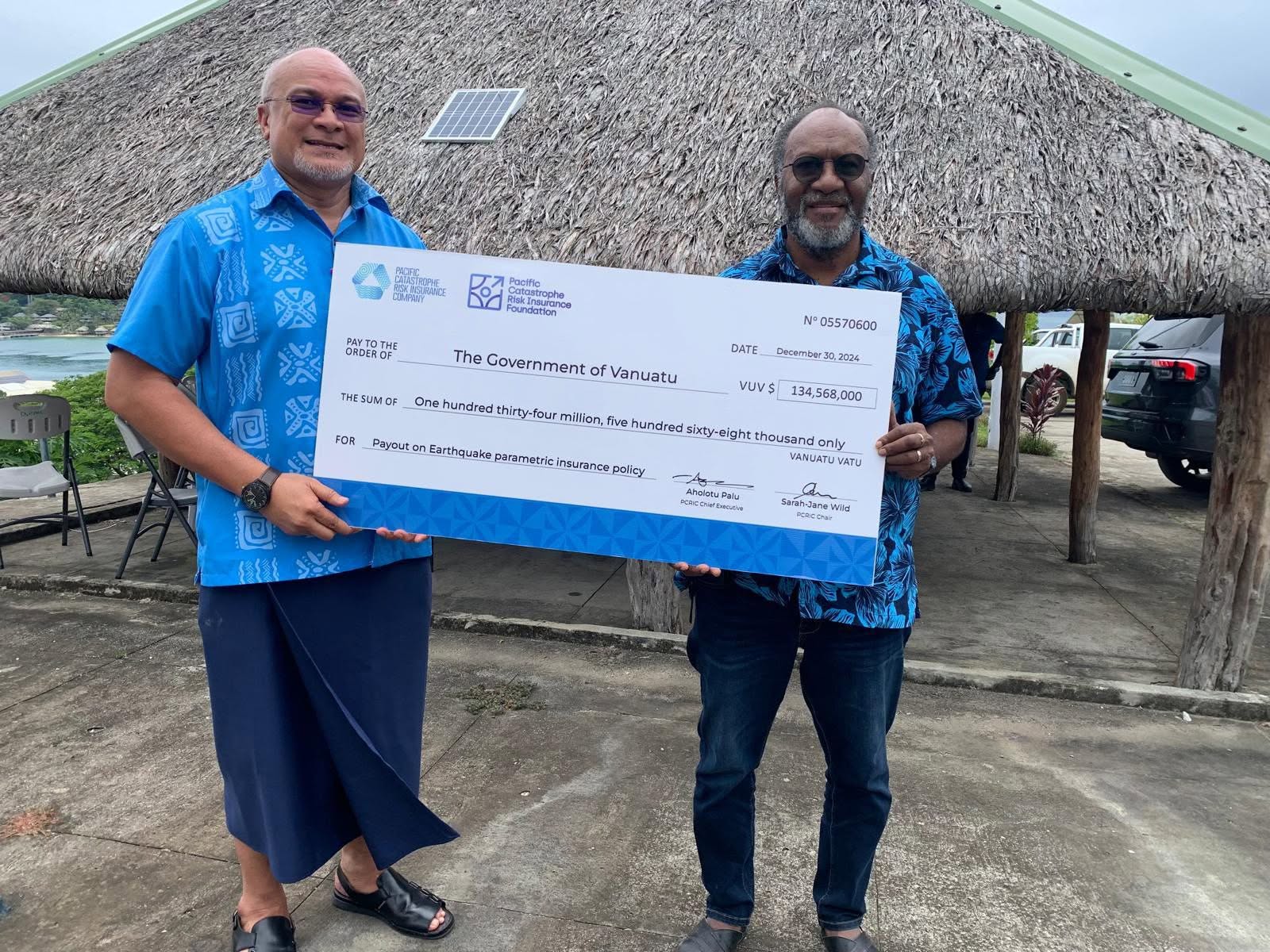
Over the past 10 years, PCRIC has made multiple payouts following tropical cyclones, excess rainfall, and drought. When agreed policy triggers have been met, finance has been released rapidly to policyholders.
Actual events. Actual payouts. Finance available when it was needed.
That is a track record that matters. Pre-arranged disaster finance gives governments greater certainty that funding will be available to support their response, rather than beginning the search for funding after disaster has arrived.
Finance arranged before disaster creates options after it.
A PCRIC payout can provide immediate liquidity while other funding is mobilised, reduce pressure on already stretched national budgets, and give governments greater choice about how and when they respond.
Regional risk pooling strengthens that proposition. No Pacific country can diversify its own exposure to catastrophic risk. By pooling risk across countries and hazards, Pacific nations can access financial protection and specialist capability that is difficult and costly to replicate individually.
PCRIC’s business model is designed for Pacific realities and tested by Pacific experience.
As these realities change, so too must PCRIC. Drought and water security are increasingly important concerns, to which PCRIC has responded with innovative drought protection, including approaches that can provide finance before the full impact becomes a crisis. Anticipatory financing offers governments the opportunity to act earlier, while there is still time to reduce the consequences.
Other risks continue to emerge across the region. Not all can or should be insured. The challenge is to understand where financial protection can make a practical difference and ensure the tools available to Pacific governments evolve as the risks do.
For leaders responsible for finite national budgets, the decision is ultimately about how much disaster risk a country carries itself and how much it makes sense to transfer.
PCRIC does not make Pacific nations resilient. Governments, communities, businesses, and institutions build resilience over time. PCRIC has a more specific role: helping ensure finance is one less uncertainty when those efforts are tested by disaster.
Its regional model is established. Its policies have faced real events. Its payouts have delivered. This is what makes PCRIC a proven partner in Pacific resilience.