
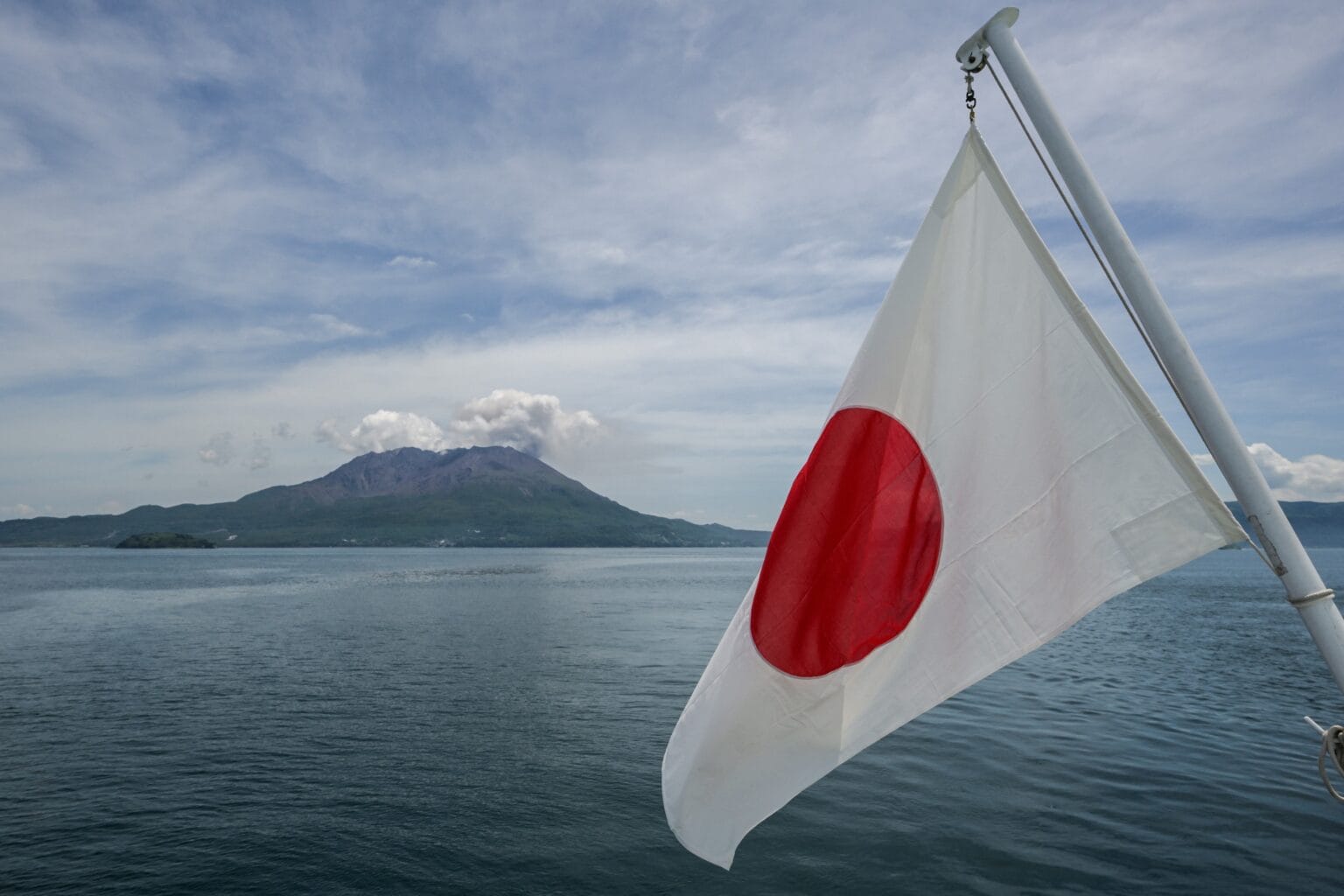
JAPAN’S revised proposal to the International Maritime Organisation on reducing greenhouse-gas emissions from international shipping is raising concerns in the Pacific over weaker emissions targets and a shift away from a central global carbon fund.
Japan’s submission ahead of the 85th session of the IMO Marine Environment Protection Committee in November proposes greenhouse-gas fuel-intensity reduction targets that the Micronesian Centre for Sustainable Transport (MCST) says are unambitious.
The proposal would move toward more flexible offsetting and let profit-oriented shipping companies decide which projects globally to invest in, a decision that should be made by Member States.
MCST Co-Director Maria Sahib said the proposed changes would weaken the ambition of the IMO’s Net-Zero Framework and create significant challenges for Pacific Small Island Developing States.
“The Pacific has been at this table for years. Through 6PAC+, our countries have consistently brought the realities of climate-vulnerable island states into the IMO negotiations. Our position has not changed: shipping decarbonisation must be ambitious, science-based and just,” Sahib said.
Sahib said Japan’s proposed easing of emissions reductions targets could weaken the market signal needed to accelerate investment in zero-emission vessels, cleaner fuels and maritime infrastructure.
The Centre is also concerned that moving away from a centrally managed Fund and mandatory contribution system for emissions could make support for vulnerable states less predictable, she said.
Pacific economies depend heavily on international shipping for food, fuel, trade and essential goods, while facing some of the highest shipping costs and most severe impacts of climate change.
“For the Pacific, finance is fundamental to a just and equitable maritime transition. We need predictable and accessible resources to ensure our countries can decarbonise their maritime sectors while strengthening resilience,” Sahib said.
The Pacific is not new to the negotiations. For more than a decade, Pacific countries have worked collectively through the 6PAC+ Alliance to push for ambitious climate action at the IMO.
The alliance grew from the original 6PAC initiative, which in 2015 advanced a 1.5°C-aligned position in IMO negotiations.
Pacific countries have continued to advocate for an ambitious phase-out of fossil fuels from international shipping, strong emissions-reduction measures aligned with 1.5, and a transition that provides adequate support to SIDS and other vulnerable developing countries.
The 6PAC+ Alliance maintained this position through successive IMO negotiations, including MEPC 82 and MEPC 83, where Pacific leaders and delegations pressed for a strong global emissions-pricing mechanism and a transition consistent with the 1.5°C temperature goal.
As MEPC 85 approaches, Sahib said the Pacific will continue working collectively through 6PAC+ to ensure that the voices and priorities of SIDS remain central to the IMO’s climate negotiations.
“The 6PAC+ has demonstrated what Pacific unity can achieve at the IMO. We will continue to work together for a framework that delivers ambition, integrity and equity,” Sahib said.
“The Pacific cannot support a transition that shifts the costs to those least responsible and least able to absorb them.”

