
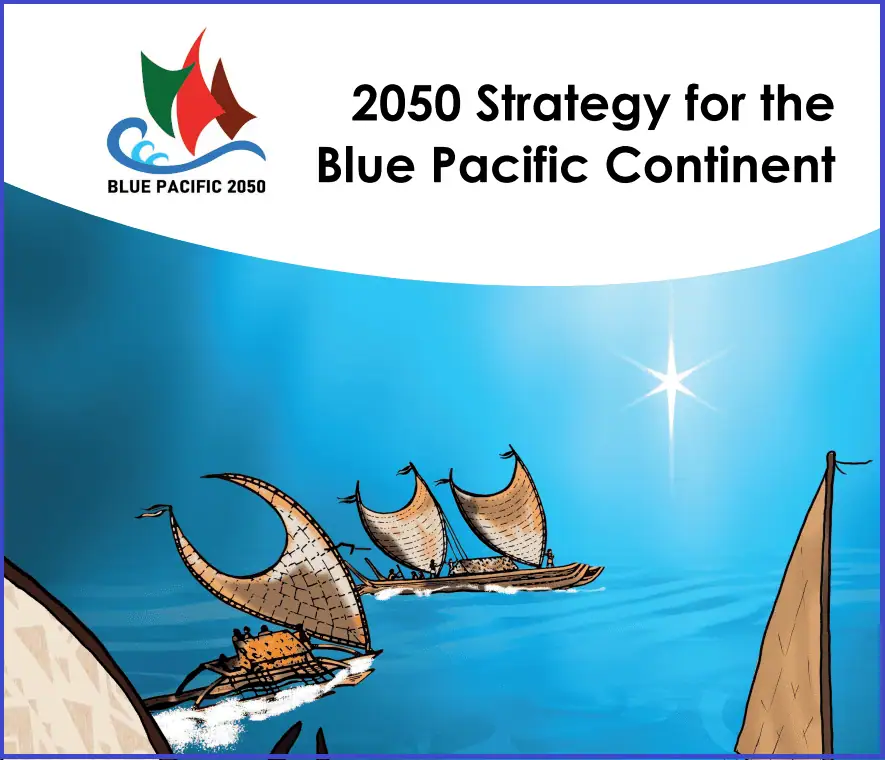
THE Pacific Islands Forum is translating its 2050 Strategy into a more concrete set of priorities focused on climate resilience, regional mobility and leadership development, with senior officials arguing that the region’s future depends on whether it can fund adaptation, move people more freely and train the next generation to lead.
Esala Nayasi, the Forum’s deputy secretary-general, said climate change remains the Pacific’s defining challenge, described by leaders as “the greatest threat to livelihoods, security, and well-being of our peoples.”
He framed the response on three levels: national investment in resilience, regional programs and frameworks, and global advocacy through the COP process and other international platforms.
But finance, he said, continues to be the bottleneck. “Access to finance has continued to be an issue,” he noted, explaining why Pacific leaders created the Pacific Resilience Facility, a Pacific-owned mechanism designed to reflect the region’s values and priorities.
The treaty establishing the fund has now been signed and ratified, he said, and the secretariat office is expected to be established in Tonga later this year.
The facility is part of a broader effort to turn Pacific climate diplomacy into tangible institutions. Nayasi pointed to the region’s recent success on the International Court of Justice advisory opinion and the follow-up United Nations General Assembly resolution, both of which he described as major achievements in taking the Pacific’s climate concerns into the global system.
He said the upcoming COP 31 process, along with pre-COP meetings in Fiji and Tuvalu, will give the region another chance to push its oceans-and-climate agenda.
“We have achieved in this area,” he said, but added that “there’s a lot that we still need to address.”
The 2050 agenda also reaches beyond climate into economic integration. And the Pacific leaders now see free movement of people as a critical step toward regional integration, especially as some countries struggle with unemployment while others face labour shortages.
He described the region’s human resources as a shared “common wealth,” and said the challenge is to build pathways that allow Pacific people to live better lives across borders.
He acknowledged a less discussed reality: labour flows from the ASEAN region are already feeding into Pacific labour shortages, which he said means the Pacific must think more deliberately about opportunities within its own region.
“Free movement of people is critical to that,” he said, describing it as a regional issue rather than a narrow national one.
The final pillar is leadership. Nayasi argued that the Pacific’s future depends on whether it can produce leaders who understand regionalism not as an abstract idea, but as a lived commitment.
“Everything rises and falls on leadership,” he said, adding that the region needs leadership “one that the 2050 strategy demands and one that the region deserves.”
That thinking is driving a new Pacific-Centered Leadership Initiative, now in design phase.
The goal, he added, is to create leadership and development training across the region so that future leaders are better prepared than previous generations, many of whom entered public life without structured regional leadership training.
He illustrated the point with a story about former regional figures who met again 40 years later after studying at the University of the South Pacific and later went on to become diplomats, academics and civil servants.
Their careers, he said, showed the value of a leadership pipeline that intentionally prepares people for regional service.
“We need to really invest in leadership as a region,” he said.
The aspiration is that by 2050, the next generation will not only inherit regional institutions but also understand how to use them.
“Taken together, the climate fund, free-movement agenda and leadership initiative suggest the 2050 Strategy is moving from vision to implementation. For the Pacific Islands Forum, the question is no longer just what regionalism should mean, but whether it can be funded, staffed and led well enough to endure.”


