On a quiet afternoon in 2009, after a game of touch rugby, Manoa Duwai sat down to eat. In front of him was a bowl of rice and cup of tea–and no fish. When he later went to the reef along the coastline of Naidiri, all he found was undersized fish struggling to survive. In that moment, he realised something had to change. What followed became the spark for one of Fiji’s most inspiring marine conservation stories.
A Journey Begins
The decline of fish stocks marked a turning point for the village. With their food source and livelihoods at risk, Manoa and community leaders began discussing how to protect their traditional fishing grounds. That same year, they established a small, no‑take area measuring just 1,200m² – an early step toward what would become Naidiri’s Marine Biodiversity Park.
Their efforts soon aligned with the Fiji Ridge to Reef Project implemented by the Government of Fiji and the UN Development Programme (UNDP), with Global Environment Facility (GEF) support, which was working with communities across the country to restore ecosystems, protect biodiversity, and strengthen climate resilience. For Naidiri, the Ridge to Reef project provided new tools, scientific knowledge, and wider visibility for work the village had already begun.
Growing a Sanctuary
Over the years, the village gradually expanded its protected area. In 2022, the Government of Fiji officially recognised it as the Naidiri Marine Biodiversity Park. By 2024, it had grown to 28,800m² – nearly 24 times its original size.
The park now serves three core purposes:
- To restore and replenish fish stocks in their qoliqoli (traditional fishing grounds) which had been depleted due to overfishing;
- To protect coral reefs rapidly deteriorating due to climate change; and
- To nurture and educate children and young people, encouraging the next generation to reconnect with and care for the natural environment.
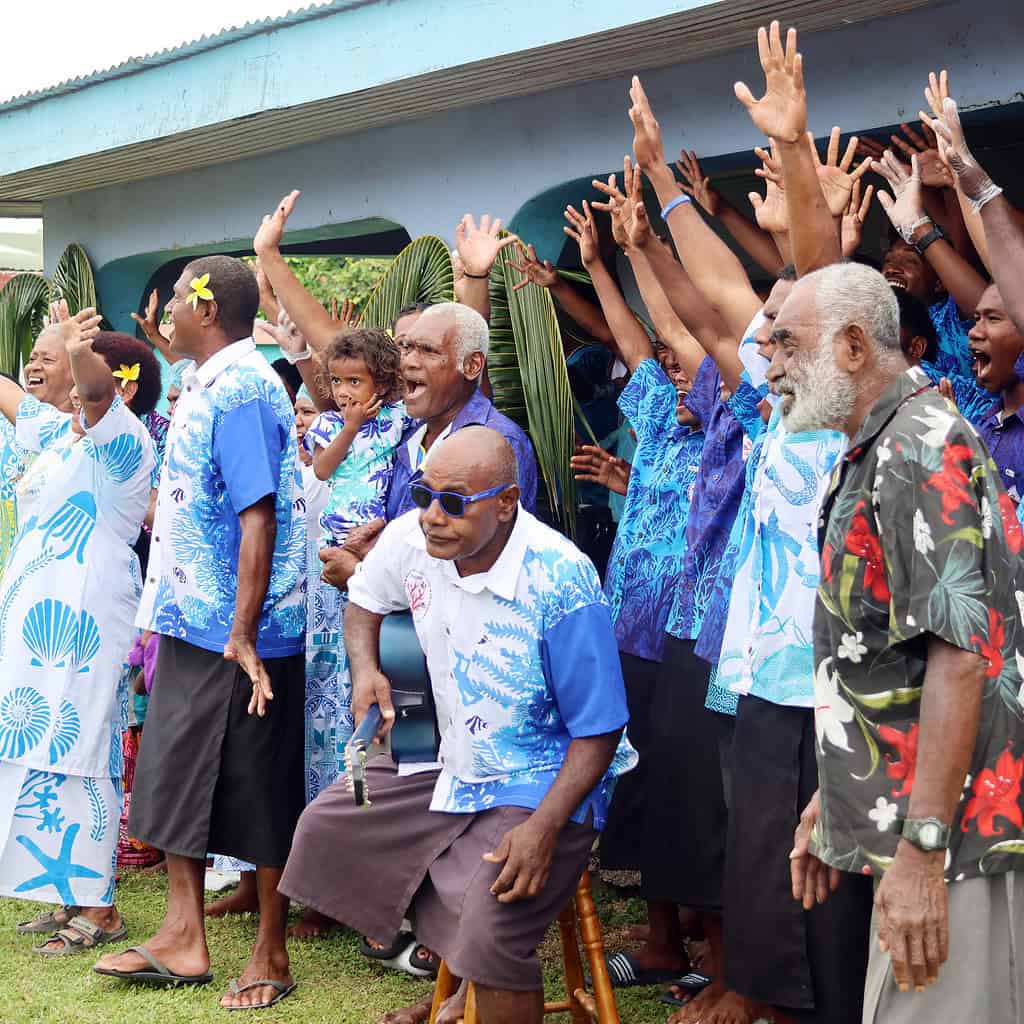
Naidiri’s model is often highlighted during national and regional gatherings as a powerful example of local stewardship and sustained commitment.
Youth at the Heart of Conservation
A youth club formed in the village has become one of the park’s strongest pillars. Young people conduct reef monitoring, support coral‑planting work, and help guide visitors from nearby resorts. They also share what Manoa calls their “cool science”: the new knowledge they’ve learned about marine life, climate impacts, and reef restoration.
These experiences have shaped a generation of young leaders deeply connected to their environment and eager to protect it.
Sharing Knowledge, Strengthening Resilience
In February this year, Naidiri hosted a visiting GEF during their regional workshop in Fiji. Visitors joined coral‑planting activities, observed restoration techniques, and learned firsthand how the village has woven science and tradition into its conservation practices.
Manoa shared that the community hopes to open a guesthouse in the coming years, creating jobs for young people and strengthening sustainable tourism around the park. He is now regularly invited to nearby and outer island communities to share Naidiri’s experience.
“Before the establishment of the park in 2009, there were no fish due to overfishing, which motivated us to establish a protected area. When GEF came on board and boosted the park, it gave us new hope – a hope that will last longer than we expected he said.
Community‑Driven Impact
Naidiri’s Turaga ni Koro (village headman), Aisea Vereverelagi, says the marine park has strengthened livelihoods across the village while restoring the health of their fishing grounds.
“Since having the park, we have tourists visiting, which supports our livelihoods. People come for research and cross learning between villages as well. After implementing the park’s tabu area, there has been an abundance of fish,” he said.
The benefits are felt across the community. When visitors arrive, the Naidiri Women’s Club plays a central role in welcoming them. Women from the village organise catering and hospitality for researchers and tourists alike – creating a new source of income while showcasing the village’s culture and hospitality.
For Elenoa Vea, leader of the Women’s Club, the initiative has created opportunities for women to actively contribute to the village’s conservation success.
“When visitors and tourists come to the Naidiri Marine Biodiversity Park, the women of the village come together to provide catering services, which helps generate income for the village,” she said.
A Model for the Future
For partners supporting the initiative, Naidiri represents something larger than a single conservation project.
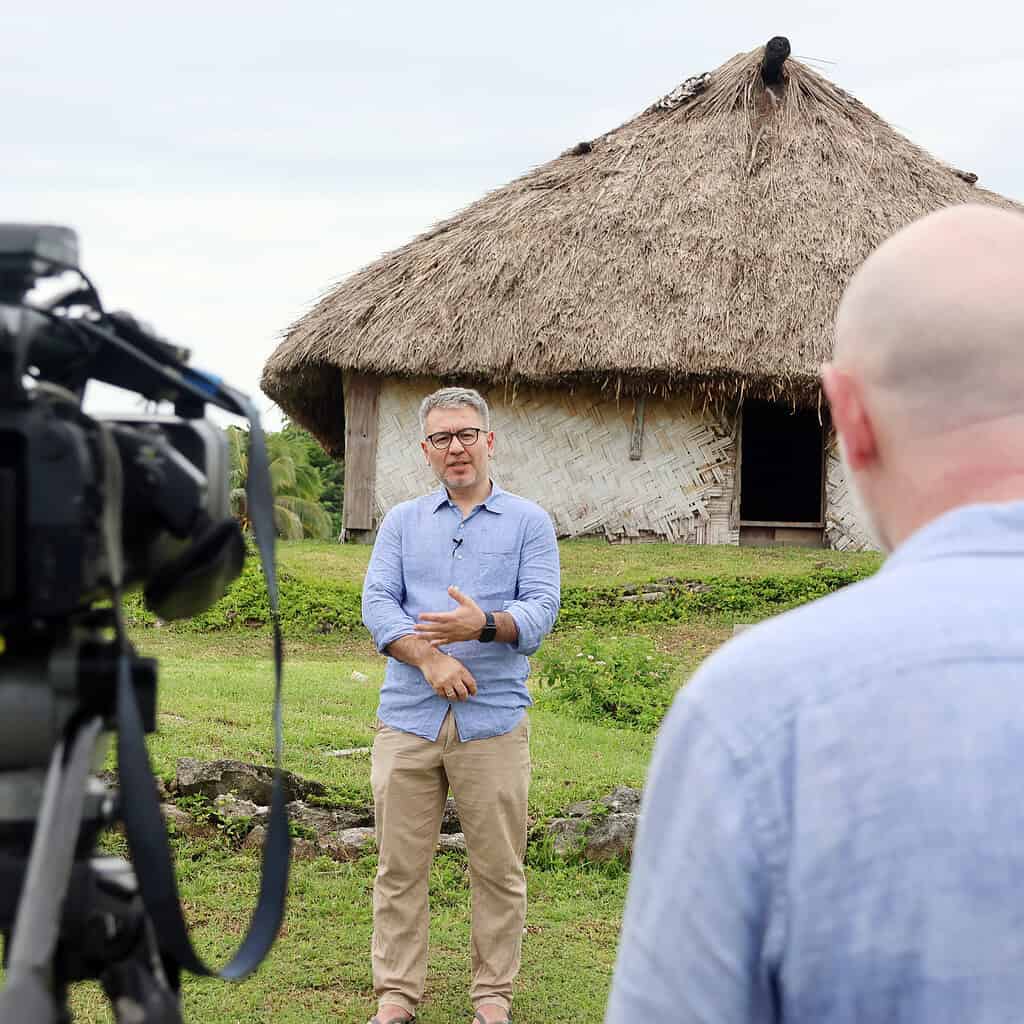
GEF’s Head of Programming, Dr. Fred Boltz, emphasised that the village reflects the kind of integrated, community driven approach needed to address environmental challenges.
“In Naidiri, we see a blend of marine protection and conservation efforts and how these contribute to community resilience. It reflects how we want to advance GEF going forward – to address the spectrum of environmental issues communities are facing.”
UNDP Pacific Office Deputy Resident Representative Abduvakkos Abdurahmanov noted that the village’s achievements show how local action can support national and global environmental goals.
UNDP Pacific Office Deputy Resident Representative, Abduvakkos Abdurahmanov said:
“Naidiri’s achievements reflect the strength of community action in advancing Fiji’s national conservation priorities and global environmental commitments. Their Marine Biodiversity Park is a testament to what is possible when people come together with vision, dedication, and a deep respect for nature. UNDP remains committed to working alongside communities like Naidiri to protect biodiversity and build climate‑resilient livelihoods.”
Looking Ahead
Naidiri’s story proves that meaningful change often begins with small steps and with people who care deeply for their home. From a simple meal without fish in 2009 to a thriving conservation model recognised across Fiji, the village has shown what is possible when a community commits to protecting its ocean.
And they are not done yet. With growing youth leadership, plans for sustainable tourism, and a future‑focused vision, Naidiri is charting its own path – one that will carry its marine legacy forward for generations to come.
Ashna Kumar is a Communications Associate with the UNDP Pacific Office in Fiji.