SEISMIC issues and climate change in the Pacific severely damage our marine infrastructure, often preventing access to relief supplies during disasters.
Marine Infrastructure, Australia, leverages its decades of experience and technical innovation to offer competitive, resilient solutions tailored for Pacific conditions.
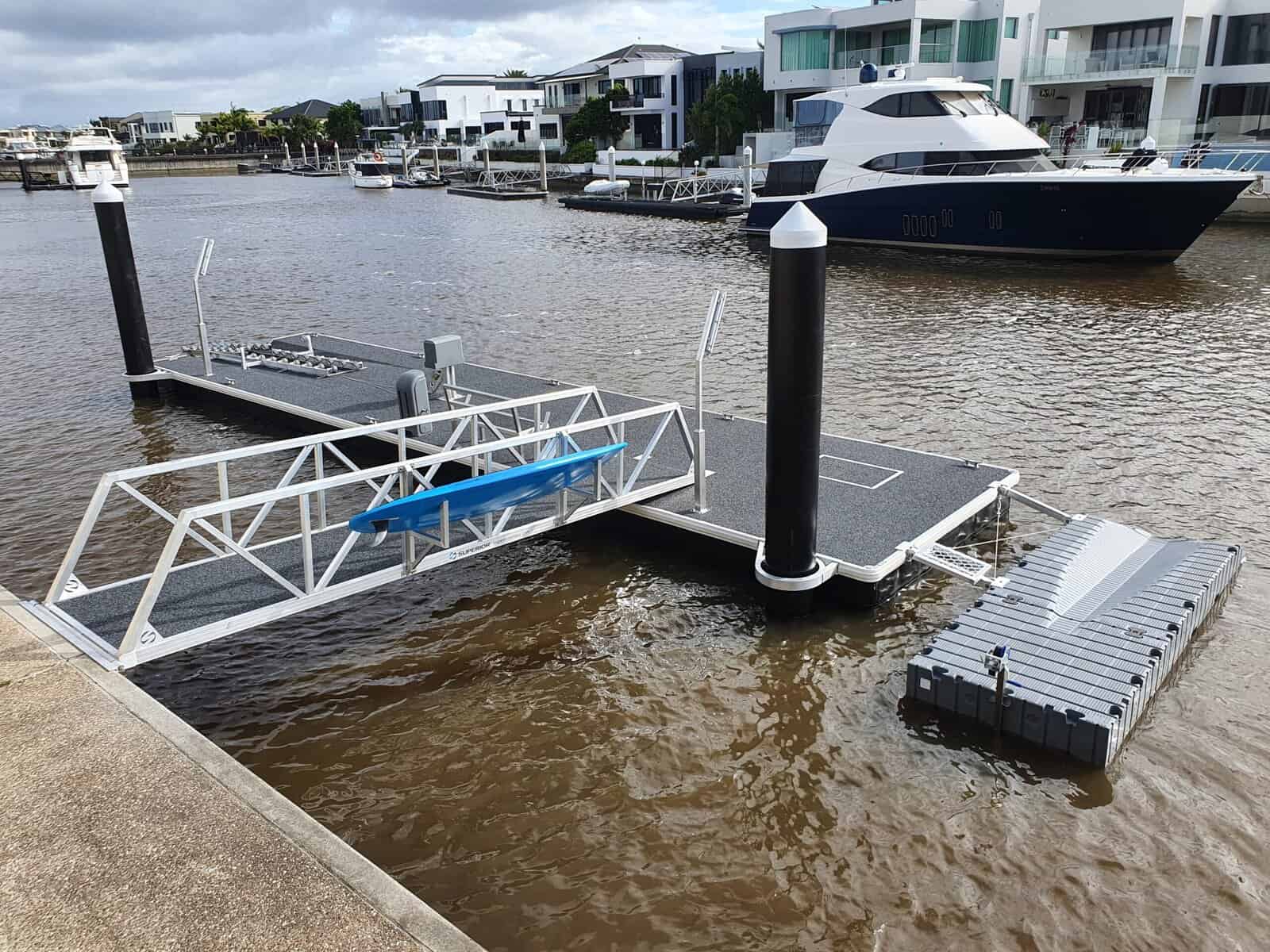
“Floating marinas can flexibly handle tidal changes and wave conditions, unlike rigid fixed structures that need costly protective works,” said John Hogan, Marine Structures Director.
“This resilience offers a distinct market advantage in island regions prone to cyclones, flooding, and earthquakes.”
He emphasised the opportunity to reduce seismic risk and project costs by promoting floating structures over fixed ones in the Pacific, where seismic design requirements increase budgets.
“The company’s long-term vision is to build sustainable, adaptive marine infrastructure that meets evolving environmental and economic demands.
Hogan’s background, including 25 years of leading Superior Jetties and experience in the US mining and concrete sectors, brings strong engineering and business expertise to the strategy.
The business model balances centralised manufacturing with local installation to optimise costs and build in-market capabilities.
Manufacturing is primarily centralised in Australia; production kits can be sent to Fiji for local assembly and installation by trusted partners.
“This approach reduces on-site construction time, lowering overall project costs and complexity,’’ Hogan said.
He envisions a gradual transfer of certain manufacturing processes, such as aluminium fabrication, to Fiji through training and apprenticeships.
“Building local skills supports sustainability and aligns with Fiji’s economic development goals, increasing local employment and expertise over time.
“The company runs apprenticeship programs to train workers who can then return to Fiji, boosting local technical capacity.”
Future market entry into other Pacific Islands will rely on joint ventures with local civil engineering firms experienced in marine works, not on building local factories.
The company seeks partners with equipment like piling barges and local market knowledge to handle fieldwork, while manufacturing remains centralised.
Hogan stressed collaboration as the best way to scale, leveraging existing relationships and trusted stakeholders while avoiding infrastructure duplication.
“This strategy limits capital expenditures while expanding geographic reach efficiently.”