 2024 – 2026
 2020 – 2023
 2017 – 2019
 Catalogue

In this bulletin:
1. PACIFIC — Pacific pushes for faster climate action as COP31 opens
2. PACIFIC — Pacific eyes economic gains from maritime decarbonisation
3. PACIFIC — Keep 1.5 the north star, Pacific officials reminded as COP31 negotiations get underway
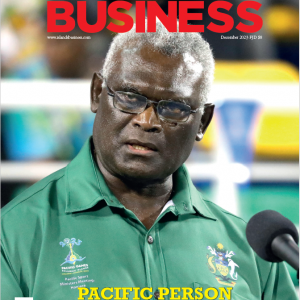
4. PACIFIC — Solomon Islands PM demand fairer climate financing for Small Island States
5. PACIFIC — Pacific voices take centre stage at opening of Moana Blue Pacific Pavilion at COP31
6. PACIFIC — Vanuatu women put communities at the centre of disaster early warning systems
7. FIJI — Study finds climate change could cost Ovalau up to $53 billion by 2100
8. FIJI — El Niño expected to peak in November or December: Fiji Met
9. PACNEWS BIZ — Fiji launches six initiatives to help farmers cope with El Niño drought
10. PACNEWS BIZ — Fiji, Tonga telco regulators sign cooperation pact
11. PACNEWS IN FOCUS — U.S companies apply to explore deep-sea mining in area bordering Pacific island states
12. PACNEWS DIGEST — Royalty at Moana Blue Pacific Pavilion, Queen Mary listens to Pacific leadership at COP31
13. PACNEWS DIGEST — Growing Up in Tuvalu as the Tide Draws Closer
PAC – COP31: PACNEWS PACNEWS 1: Thu 12 Nov 2026
Pacific pushes for faster climate action as COP31 opens
ANTALYA, 12 NOVEMBER 2026 (PACNEWS) — Australia’s Climate Change and Energy Minister Chris Bowen has called on countries to accelerate climate action, improve access to climate finance and strengthen adaptation as the United Nations climate negotiations opened in Türkiye.
Bowen said the world was already experiencing the impacts of climate change, with rising temperatures, extreme weather and intensifying El Niño conditions increasing risks to communities, economies and the environment.
“Climate change is here. It is not a forecast. It is not a prediction. It is the lived reality for billions of people,” Bowen told delegates at the opening plenary of COP31 in Antalya.
He warned that the latest science showed the world would overshoot the 1.5-degree Celsius warming threshold but said it was still possible to return to that limit through urgent and collective action.
“We can still return if we work together and act with urgency, solidarity and resolve,” he said.
Bowen acknowledged the Pacific’s role in climate negotiations, recognising Fiji and Tuvalu for hosting the recent Pacific Pre-COP and representing countries that have contributed least to climate change but face some of its most severe consequences.
He said the message from the Pacific Pre-COP was clear: keep the 1.5-degree target within reach, accelerate climate action, improve access to finance and strengthen the resilience of communities, economies and oceans.
“Ensure no country faces climate impacts alone,” he said.
Bowen said climate impacts were already evident globally, from glacial collapse in Nepal and heat-related deaths in Europe to intensifying El Niño conditions.
He said every fraction of a degree of warming and every delay in action increased risks to lives, livelihoods and economic development while raising the cost of adaptation.
Despite the challenges, Bowen said progress had been made since the Paris Agreement, with global warming projections falling from nearly 4 degrees Celsius to about 2.6 degrees.
He said global renewable electricity generation had almost doubled since 2015, while investment in clean energy reached about US$2.2 trillion last year, nearly twice the investment in fossil fuels.
However, he said countries needed to move faster in deploying proven clean energy technologies.
Bowen identified electrification as a major priority, calling for electricity’s share of global final energy consumption to increase to 35 per cent by 2035.
He said accelerating electrification through renewable energy, modern electricity grids and energy storage would reduce emissions, strengthen energy security and protect households from volatile energy prices.
Access to climate finance was another major priority, particularly for small island developing states (SIDS) and least developed countries.
“Too many countries with credible energy transition and adaptation plans can’t access finance at the speed, scale or terms required to put those plans into action,” Bowen said.
“The countries that need climate finance the most are getting it the least.”
He said Australia had launched an Access to Finance Statement and Action Plan for SIDS and least developed countries at the Pacific Pre-COP, aimed at making climate finance faster and simpler to access.
Bowen said countries needed stronger project pipelines, greater mobilisation of public and private investment and faster delivery of funding to communities facing climate impacts.
“Finance must be disbursed faster. More simply. And more fairly,” he said.
He also called for stronger adaptation measures, including resilient infrastructure, early-warning systems and institutions capable of helping countries prepare for and recover from climate-related disasters.
Bowen said COP31 had more than 160 agenda items and 60 substantive negotiation mandates, covering issues including just transition, emissions reduction, adaptation, climate finance and international cooperation.
He also announced that Australia and Türkiye would pursue a Presidency-initiated but Party-driven decision at COP31, designed to provide a practical response to the climate challenge without duplicating existing negotiations.
The proposed decision would recognise progress, address implementation challenges and accelerate practical solutions to keep 1.5 degrees within reach.
Bowen said the outcome must be developed through consultation and reflect the priorities and national circumstances of participating countries.
“No country can achieve this alone. But together we can and we must,” he said.
He urged delegates to demonstrate that international cooperation could deliver meaningful progress on climate action.
“Let’s show the world that multilateralism works,” Bowen said….PACNEWS
PAC – COP31: PACNEWS PACNEWS 1: Thu 12 Nov 2026
Pacific eyes economic gains from maritime decarbonisation
ANTALYA, 12 NOVEMBER 2026 (PACNEWS)— Maritime decarbonisation presents Pacific Island countries with an opportunity to strengthen regional connectivity, reduce dependence on imported fossil fuels and build more resilient economies, Fiji Opposition leader and COP31 Pacific Ocean Envoy Inia Seruiratu says.
Seruiratu said shipping was a lifeline for Pacific communities, connecting islands, supporting trade, delivering essential goods and underpinning economic development across the region.
Addressing a maritime decarbonisation event at the Australian Pavilion at COP31 in Antalya, Türkiye, he said the transition to low-emission shipping should be viewed as an economic and development opportunity rather than an additional burden for Pacific countries.
“Maritime decarbonisation is not only a climate imperative. It is an economic and development opportunity,” Seruiratu said.
He said Pacific countries, which collectively have responsibility for nearly 20 per cent of the world’s exclusive economic zones, understood the close relationship between their economies, communities and ocean resources.
Seruiratu said the Pacific Regional One Maritime Framework reflected the region’s commitment to making maritime transport part of its transition towards a resilient, low-emissions future.
He said shipping would be critical in connecting clean energy producers to markets, supporting regional supply chains and ensuring Pacific countries shared in the economic benefits of the global energy transition.
The transition could also reduce emissions, strengthen energy security, lower dependence on imported fuels and improve maritime connectivity across the region.
Through initiatives such as the Pacific Blue Shipping Partnership, Pacific countries are working with development partners to identify pathways towards low- and zero-emission shipping.
Seruiratu said cleaner and more efficient maritime transport could deliver climate, economic and development benefits at the same time.
However, he stressed that the transition would require stronger regional and international partnerships.
“No single country can decarbonise regional shipping routes, develop new maritime fuels, or build the necessary infrastructure alone,” he said.
He said governments, shipping operators, ports, financiers, development partners and regional industries needed to work together to accelerate the transition.
Seruiratu also highlighted the importance of international platforms such as the Global Maritime Forum in sharing practical progress, developing partnerships and identifying solutions to advance maritime decarbonisation.
He said the Pacific’s priority was to build cleaner, more resilient and better-connected regional supply chains that would support the energy transition and long-term economic prosperity.
For Pacific Island countries, he said, maritime decarbonisation must deliver more than emissions reductions by strengthening the economic systems on which island communities depend.
“By working together, we can build cleaner, more resilient and more connected regional supply chains that support both the energy transition and the long-term prosperity of our ocean region,” Seruiratu said…. PACNEWS
PAC – COP31: SPREP PACNEWS 1: Thu 12 Nov 2026
Keep 1.5 the north star, Pacific officials reminded as COP31 negotiations get underway
ANTALYA, 12 NOVEMBER 2026 (SPREP)— As climate change negotiations get underway in the halls of the Antalya Expo Centre in Türkiye, Pacific officials and negotiators fighting for the survival of Pacific communities from the devastating impacts of climate change have been reminded to keep 1.5 their north star.
“For the Pacific, 1.5 to stay alive is not a slogan, it is our lifeline,” reiterated Fiji’s Permanent Secretary for Environment and Climate Change, Dr Sivendra Michael.
“This number is about the survival of our people, the protection of our land, languages, culture and all that is dear to us. So here in Antalya, as we get into our work this week, I urge you all to ensure 1.5 remains your north star.”
On Tuesday, the Pacific Delegation Office, a Pacific partnership with the Government of New Zealand managed by the Secretariat of the Pacific Regional Environment Programme (SPREP), welcomed Pacific Leaders, Ministers and negotiators for their first meetings in the Office in Antalya.
Fiji, as the Chair of the Pacific Small Island Developing States (PSIDS), encouraged Pacific delegations to keep the One Pacific Voice strong as they navigate the complex and challenging days of negotiations ahead.
Dr Michael acknowledged that the work in the next two weeks will not be easy.
“Fiji, as the Chair of PSIDS, stands ready to work with all our Pacific countries to ensure our priorities on different thematic areas are amplified, advocated for and that they are reflected in the decisions made at COP31,” added Dr Michael.
COP31 takes place at a time when scientists have warned that the world is set to temporarily exceed the Paris Agreement’s 1.5°C warming threshold, according to the Limiting Overshoot report by the UN Environment Programme (UNEP).
Anticipated impacts include intensified extreme weather, ecosystem loss, and rising seas that threaten Small Island Developing States and low-lying coastal cities. Severe damage to human health, food security, water supplies, nature, cities, infrastructure, and economies is expected. Pacific communities, unfairly placed at the forefront of these impacts, are already experiencing this reality, with a powerful El Niño expected to intensify climate impacts further.
“Our priority is to make sure that we minimise the magnitude and the duration of the overshoot through deep, rapid and sustained emissions reductions in this decade,” said Dr Michael.
The Pacific’s work at COP31 centres on four pillars: keeping 1.5°C within reach, enhancing access to climate finance, elevating the ocean-climate nexus and amplifying Pacific voices and leadership.
Pacific countries arrive in Antalya buoyed by the successful hosting of Pre-COP31 in Nadi in October by Fiji, with Tuvalu, as part of the Australia–Pacific COP31 partnership, and the adoption there of the Taku Pakasoa Declaration.
“The Pacific comes ready to negotiate and calls for greater collaboration and partnership at COP31,” added Dr Michael.
“Our priorities are centred on ensuring that the voices and realities of small island developing states are recognised in these global climate discussions. We need commitments that translate into real action for our people,” he said….PACNEWS
PAC – COP31: SOL GOVT PACNEWS 1: Thu 12 Nov 2026
Solomon Islands PM demand fairer climate financing for Small Island States
ANTALYA, 12 NOVEMBER 2026 (SOL GOVT) —Solomon Islands Prime Minister Matthew Cooper Wale has called for dedicated climate financing to help small island states transition to clean energy.
The Prime Minister stressed when he addressed the COP31 High-Level Dialogue on Clean Energy Transition and Electrification in Antalya, Türkiye.
Wale highlighted the high costs of energy infrastructure, limited fiscal space and debt risks facing small island developing states.
He stressed that grants and highly concessional financing are essential, warning that additional loans would increase vulnerabilities and further narrow the fiscal space of developing countries.
Wale called for dedicated financing windows for least developed countries and small island developing states to expand renewable energy, strengthen electricity grids and storage, and support off-grid solutions.
He also urged the international community to recognise climate-resilient electricity infrastructure as an investment in both energy security and climate adaptation.
The Prime Minister further called for greater cooperation, technology transfer and skills development.
He said energy solutions must be designed for the unique circumstances of small island nations rather than simply transferred from elsewhere.
Wale also highlighted the need to address upfront de-risking costs, which disproportionately burden developing countries and widen the financing gap.
“For diesel-dependent SIDS like us, 35-by-35 is about energy security. It must not become another unfulfilled pledge,” PM Wale said.
He stressed that the energy transition must be inclusive and equitable, ensuring rural communities are not left behind and that electricity remains affordable.
The Prime Minister called on the international community to act now, ensuring that global clean energy commitments are backed by practical financing, technology and support for vulnerable island nations…..PACNEWS
PAC – COP31: ISLANDS BUSINESS PACNEWS 1: Thu 12 Nov 2026
Pacific voices take centre stage at opening of Moana Blue Pacific Pavilion at COP31
By Sera Tikotikoivatu- Sefeti
ANTALYA, 12 NOVEMBER 2026 (ISLANDS BUSINESS)—The Pacific brought its stories, culture and calls for climate action to the heart of COP31 as the Moana Blue Pacific Pavilion officially opened in Antalya, drawing a packed audience for an evening of cultural performances and renewed calls for the region’s priorities to be heard in global climate negotiations.
The opening was marked by traditional performances from Matavai cultural dancers, whose songs and storytelling through dance offered a glimpse into the Pacific’s rich cultural heritage and the deep connections between its people, land and ocean.
For the Secretariat of Pacific Regional Environment Programme (SPREP) Director General, Sefanaia Nawadra, the pavilion represents more than a gathering place. It is an opportunity to strengthen partnerships, bring Pacific voices together and advance the region’s priorities at COP31.
He acknowledged New Zealand for supporting the pavilion from its beginnings, and Australia for helping make this year’s space possible.
“The pavilion’s journey began at COP24 in Katowice, Poland, where it was known as the Pacific and Koronivia Pavilion, following the Pacific’s role in advancing the Koronivia Joint Work on Agriculture at COP23.”
Nawadra said, “the Pacific is now seeking a similar breakthrough for the ocean, calling for it to be formally recognised as an agenda item in the UN climate negotiations.”
With Pacific ministers, the region’s Ocean Envoy and partners present, he said there was a collective determination to ensure the ocean received the attention it deserved.
He also highlighted the growing role of Pacific communities living outside the region, recognizing the diaspora as an important part of the Pacific family.
Australian Minister for Climate Change and Energy, Chris Bowen, reaffirms Australia’s support, stating that the Pacific has been instrumental in securing the inclusion of the 1.5°C temperature limit in the Paris Agreement.
He said that commitment must remain central to COP31.
“The sooner we get to 1.5, the sooner we return to 1.5, the better off we all will be,” he said.
Bowen also stress the need to elevate the ocean in climate discussions, describing it as the world’s largest climate regulator and calling for it to have a more prominent place in negotiations and events.
He pointed to the significant gap in climate finance reaching vulnerable island nations, noting that only 0.2 per cent of global climate finance goes to small island developing states for adaptation.
“That has to change. It’s not enough,” he said.
Acknowledging the challenges of reaching consensus among more than 100 countries, Bowen said, “I cannot guarantee the outcome of the negotiations but I can confirm Australia’s commitment to keeping Pacific priorities at the centre of discussions.”
“ Australia would continue working alongside Fiji and Pacific ministers throughout the negotiations, ensuring the region’s concerns remained visible and heard.”
For the Pacific, the Moana Blue Pacific Pavilion provides a space to share those concerns, celebrate its identity and build the partnerships needed to advance climate action.
As the cultural performances brought the opening to life, the message was clear: the Pacific has a story to tell, and it wants that story heard at the centre of COP31……PACNEWS
PAC – COP31: ISLANDS BUSINESS PACNEWS 1: Thu 12 Nov 2026
Vanuatu women put communities at the centre of disaster early warning systems
By Sera Tikotikoivatu- Sefeti
ANTALYA, 12 NOVEMBER 2026 (ISLANDS BUSINESS) —When disaster warnings are issued in Vanuatu, a network of women is helping ensure the information reaches communities beyond those with access to mobile phones, and translating technical forecasts into practical advice that families can act on.
The women-led initiative, known as Women Wetem Weta, uses mobile technology and community networks to share early warnings, prepare households for disasters and relay information from villages to government authorities.
ActionAid Vanuatu Country Manager Flora Vano explains that women consistently identify access to timely and understandable weather information as a major gap in disaster preparedness.
“A lot of the women did not receive the information from the Meteorology Office. The language that was spoken was too scientific, too technical for normal women in the community in the village to know what a cyclone is, what is all this strength, you name all the scientific words,” she said.
“We are not used to that. We know our crops, we know our weather, we know our kids, we know our home, and we are indigenous. So some of that language doesn’t work for us.”
The system was presented at the Moana Pavilion on the first day of COP31 focusing on women leading climate adaptation and resilience through technology and innovation.
ActionAid Vanuatu serves as the coordination hub, working with correspondents across five islands and a mobile phone network involving approximately 5,000 women.
The initiative also works with telecommunications providers, the Meteorology Office, the Climate Change Department and the National Disaster Management Office to ensure warnings are accurate, accessible and relevant to communities.
Rather than simply distributing technical forecasts, the women work with authorities to simplify messages and communicate what households need to do to prepare.
Vano said, “The network also provides a two-way communication channel, allowing women to share information from their communities with government agencies.”
“We also have NDMO, so when we are doing the early warning preparedness, the government have their own policy,” she said. “Now the policy just don’t sit there on paper. We translate the policy on the ground because we are living in our communities. We know our hazard. We know our terrain.”
The system extends beyond women who own mobile phones. Community focal points and local leaders relay messages to households, ensuring women without phones can also receive warnings.
Janet Latikknu, a community mobiliser with WITTT, explains that six correspondents had been trained to prepare SMS messages of up to 160 characters for distribution through the network.
“These messages are sent to community taskforce leaders, who then share them with local women and household representatives,”Latikknu said.
The network also allows women to report emerging threats, including damage to gardens and agricultural pests, by sending photographs and information to the coordination hub and relevant government departments.
The initiative has also been used during other emergencies, including the COVID-19 pandemic, when the network helped distribute public health information to communities.
Its importance has grown as Vanuatu faces increasingly frequent and overlapping disasters.
The programme also incorporates women and girls with disabilities through a dedicated network known as Women I Toktok Tugeta Sunshine.
“Nothing about us without us” and “leave no one behind” were among the key messages emphasised by the disability network.
The group’s leadership was also demonstrated during the response to the Port Vila earthquake, when its members helped provide information about people with disabilities and guided response efforts within their communities.
Vano said, “The initiative had also demonstrated the economic value of investing in disaster preparedness.”
Research presented during the session indicated that every US$1 invested in multi-hazard early warning preparedness could save US$4.40 in humanitarian response costs.
She said, “The system was helping communities receive information earlier, understand the risks and take action before disasters struck.”
For the women involved, the initiative has established a direct link between local knowledge, technology and government disaster response, with communities playing an active role in both receiving and sharing information….PACNEWS
FIJI – CLIMATE CHANGE: FIJI TIMES PACNEWS 1: Thu 12 Nov 2026
Study finds climate change could cost Ovalau up to $53 billion by 2100
LEVUKA/ANTALYA, 12 NOVEMBER 2026 (FIJI TIMES)—Climate change could cost Fiji’s Ovalau Island as much as US$23.8 billion (approximately FJ$53 billion) by 2100, with new research warning that rising seas and storm surges could threaten more than half of the island’s homes.
Two studies by the University of Melbourne, supported by the Fairground Foundation, have revealed the potential economic, environmental and cultural losses facing the island’s approximately 9,000 residents.
The findings will be presented at two side events at COP31 in Antalya, Türkiye, on Friday, 13 November.
Researchers estimate that cumulative losses under a high-emissions scenario could range from US$9.9 billion to US$23.8 billion by 2100, with average annual potential losses estimated at US$321.7 million.
The research warns that sea-level rise and storm surges could affect up to 56 per cent of Ovalau’s homes, along with its hospital, airport and the UNESCO World Heritage-listed town of Levuka.
In six iTaukei villages surveyed, residents reported that harvests, fish catches, water supplies and aspects of cultural life had declined by approximately 40 per cent over the past decade and 60 per cent over the past 20 years.
The losses extend beyond physical infrastructure to traditional food sharing, ceremonial offerings, medicinal knowledge and connections to ancestral land.
University of the South Pacific Associate Professor Dr Rosiana Lagi said the true cost of climate change could not be measured in financial terms alone.
“On Ovalau, what people are losing is not only crops and houses. It is the knowledge, the culture, heritage and the connection to Vanua that make us who we are. Any loss and damage support that ignores these, is only paying for half the loss.”
University of Melbourne researcher Dr Anca Hanea said conventional damage assessments often overlooked the value of natural ecosystems and cultural heritage.
“When we count reefs, mangroves and heritage alongside buildings and roads, the cost to Ovalau rises to as much as USD$23.8 billion. Leave them out and most of the loss disappears from the books.”
The research also found that nearly a quarter of participants had already experienced displacement, largely following Tropical Cyclone Winston.
Two-thirds expected they could be required to relocate within the next decade, while most estimated relocation costs would exceed US$30,000.
However, a third of respondents indicated they would refuse to leave their communities even if relocation costs were fully covered.
Environmental Defenders Office Director of Science and Expert Advisory Dr Sharyn Goldstien said the findings could help strengthen climate accountability.
“Evidence of non-economic loss and damage is vital, not only for negotiators at COP31 but in the courts, as communities increasingly turn to the law to hold those responsible for climate harm to account.”
Fiji Environmental Law Association Executive Director Kiji Vukikomoala said the research highlighted the need for stronger legal and policy responses.
“Ultimately the true measure of climate justice is not what is promised at international negotiations but what changes for communities living with the consequences of climate change.”
The researchers are calling for climate financing that recognises cultural losses alongside economic damage, including support for heritage conservation, ecosystem protection and community-led adaptation….PACNEWS
FIJI – WEATHER WATCH/ELNINO: FIJI SUN PACNEWS 1: Thu 12 Nov 2026
El Niño expected to peak in November or December: Fiji Met
NADI, 12 NOVEMBER 2026 (FIJI SUN)—Fiji’s prolonged dry spell could continue into the first quarter of 2027, with emergency water deliveries expected to remain necessary even after El Niño conditions begin to weaken.
Fiji Meteorological Service (FMS) senior scientist Arieta Baleisolomone issued the warning during an interview at the Ramada Hotel in Labasa yesterday, following the opening of the two-day National Climate Outlook Forum.
Baleisolomone said the Northern and Western divisions had been particularly badly affected by El Niño, with rainfall levels falling well below normal.
“Fiji is currently grappling with a severe dry spell driven by a warming El Nino event, causing rainfall levels across most of the country to plummet to well below normal levels from July through October,” Baleisolomone said.
“The ongoing meteorological drought has already surpassed threshold levels across most weather stations nationwide.”
She said current observations showed sea surface temperatures warming beyond levels recorded during previous strong El Niño events.
“The event is projected to peak around late November or December, with impacts expected to linger into early next year,” she said.
“The drought is already impacting key sectors across the country.
“Water carting is currently active in affected communities and is expected to continue even after the El Nino event begins to decay.”
Baleisolomone also addressed concerns about the accessibility of weather information published on the FMS website and social media platforms.
She said efforts were underway through the Pacific Roadmap to Strengthen Climate Services to make climate information more accessible.
“Fiji is currently piloting initiatives for Gender Equality, Disability and Social Inclusion (GEDSI), which include publishing climate outlooks and ocean videos featuring sign language interpreters to ensure information reaches all citizens,” she said.
Stakeholders had also raised concerns about the complex scientific terminology used in weather bulletins.
However, the FMS said oversimplifying the language could change important technical meanings.
The service is responding through community awareness programmes, using simpler language where possible and including more accessible vocabulary in its bulletins….PACNEWS
PACNEWS BIZ
FIJI – AGRICULTURE/ELNINO: PACNEWS PACNEWS BIZ: Thu 12 Nov 2026
Fiji launches six initiatives to help farmers cope with El Niño drought
SUVA, 12 NOVEMBER 2026 (PACNEWS)—The Fiji Government has launched six targeted initiatives to help farmers cope with prolonged dry conditions caused by El Niño, with assistance covering emergency water supplies, livestock feed, planting materials, climate-resilient farming and household food security.
Minister for Agriculture, Waterways and Sugar Industry Tomasi Tunabuna said the initiatives were developed following assessments of conditions across the country and reports of increasing pressure on farmers, agricultural production and household livelihoods.
Speaking at the launch, Tunabuna said the Ministry had received reports of declining water availability, crop losses, deteriorating pastures, livestock feed shortages, pressure on household food supplies and reduced farm incomes.
“To our farmers across Fiji, we hear you. We recognise the challenges you are facing, and we understand the pressure that prolonged dry conditions are placing on your farms, livelihoods and families,” he said.
The six initiatives are designed to address the immediate needs of different farming sectors while strengthening Fiji’s capacity to maintain food production during prolonged dry conditions.
The first initiative, Emergency Farm Water and Irrigation, will provide targeted assistance through water tanks, emergency water delivery, water conveyance systems, irrigation kits and sugarcane irrigation where technically appropriate.
The second will support livestock farmers through cut-and-carry feeding, silage, supplementary feed, livestock water, strategic destocking advice, bee feed and essential veterinary treatment.
Under the third initiative, farmers will receive support to access climate-resilient planting materials and seeds for crops including dalo ni tana, kawai, tivoli, yams, vegetables, kumala, rice, dalo and cassava. Strategic multiplication blocks will also be established to improve the supply of planting materials for recovery and future production.
The fourth initiative will promote climate-smart agriculture and soil moisture conservation through mulching, minimum tillage, cover crops, protected cropping, drip irrigation, drought-tolerant varieties, demonstration sites and water harvesting.
The fifth will focus on household and community food security through home gardening, community nurseries, backyard farming and communal food production, particularly in communities facing pressure on food supplies.
The sixth initiative will target the sugar industry through trash retention, minimum tillage, crop-stress mapping, crop checks, targeted irrigation, wildfire advisories and access to suitable early-maturity seed cane.
Tunabuna said the measures recognise that farmers across different sectors face varying challenges and require targeted assistance.
He urged affected farmers to review the prospectuses for the six initiatives and submit an Expression of Interest (EOI) for assistance that addresses their immediate needs.
The EOI process will initially remain open for one week. The Ministry will then assess the number, location and nature of applications to determine whether the submission period should be extended.
Tunabuna clarified that submitting an EOI does not guarantee assistance, with all applications subject to eligibility requirements, field verification, technical suitability, severity of impact and available resources.
He called on farmers to provide complete and accurate information to ensure assistance is distributed fairly and reaches those most affected by the dry conditions.
Earlier, the Ministry convened Fiji’s Food Security Cluster meeting, bringing together stakeholders to coordinate interventions and identify practical support for farmers, exporters, households and consumers.
Tunabuna said the effects of El Niño extended beyond individual farms, with declining agricultural production having potential consequences for food availability, market supplies, food prices, exports, rural incomes and household nutrition.
He said an effective national response required cooperation between Government agencies, development partners, farmer organisations, research institutions, exporters, the private sector, civil society and communities.
The Ministry has also engaged the World Food Forum Fiji Youth Chapter, the Fiji Women Farmers Network, civil society organisations and community representatives to ensure the response addresses the needs of women farmers, young people, persons living with disabilities, minority groups, remote communities and vulnerable households.
The six initiatives mark the first stage of the Ministry’s targeted El Niño response, with conditions continuing to be monitored and interventions reviewed as further information becomes available.
Tunabuna also urged farmers and communities to conserve water, protect water sources, follow wildfire advisories and avoid unnecessary burning.
He encouraged farmers to adopt practical measures such as mulching, minimum tillage, water harvesting, efficient irrigation and maintaining soil cover to reduce moisture loss.
“To our farmers, you are at the heart of Fiji’s food and nutrition security. You sustain our communities, supply our markets, support our rural economy and contribute to the wellbeing of our nation.
“We may not be able to address every challenge immediately, but we will continue to listen, assess and act,” he said…. PACNEWS
FIJI – TELECOMMUNICATON: FIJI TIMES PACNEWS BIZ: Thu 12 Nov 2026
Fiji, Tonga telco regulators sign cooperation pact
SUVA, 12 NOVEMBER 2026 (FIJI TIMES)—The Telecommunications Authority of Fiji (TAF) and the Communications Commission Tonga (CCT) have signed a memorandum of understanding (MoU) to strengthen regulatory cooperation, institutional capacity building, and knowledge sharing.
The agreement, signed by TAF chairperson David Eyre and CCT chairperson Reverend Samiuela Manitisa Fonua, marks the authority’s second bilateral regulatory cooperation MoU in recent months, following a similar agreement with Vanuatu in August early this year.
The framework enables closer collaboration through the exchange of regulatory expertise, technical knowledge, and institutional practices; and establishes a platform to share experiences in universal service, spectrum management, consumer protection, and emerging telecommunications technologies.
Both regulators face unique regional connectivity challenges, including geographic isolation, dispersed populations, and increasing technological complexity. This partnership aligns with the regional aspirations of the Lagatoi Declaration on Digital Transformation of the Pacific and the 2050 Strategy for the Blue Pacific Continent.
The TAF chairperson emphasised the necessity of shared learning to address these hurdles.
“Pacific Island countries face many common challenges in expanding connectivity, strengthening regulatory institutions and responding to rapidly evolving technologies,” Eyre said.
“We believe there is considerable value in sharing the practical lessons gained through our respective regulatory experiences, particularly in areas such as universal service, spectrum management and emerging technologies.
“Our objective is to ensure that partnerships such as this move beyond institutional agreements and translate into practical cooperation that strengthens our regulatory capabilities and ultimately benefits the communities we serve.”
For CCT – established on 01 July this year – the partnership is a vital mechanism for early-stage development.
Fonua said the partnership provided an important opportunity for the Communications Commission Tonga to strengthen its institutional capacity through knowledge sharing and technical cooperation.
“We are particularly interested in Fiji’s experience with universal service and the approaches taken to extend connectivity to underserved communities, which offer valuable lessons for Tonga,” he said.
Both authorities intend to translate the agreement into practical initiatives, including technical exchanges and capacity-building activities…. PACNEWS
PACNEWS In Focus
The views expressed in PACNEWS are those of agencies contributing articles and do not necessarily those of PINA and/or PACNEWS
U.S companies apply to explore deep-sea mining in area bordering Pacific island states
By Elizabeth Claire Alberts
WASHINGTON, 12 NOVEMBER 2026 (MONGA BAY) —Two U.S. companies have applied to the U.S government for seabed mining exploration licenses in two large patches of international waters near the Cook Islands, Kiribati and French Polynesia in the South Pacific Ocean. Local government officials and environmental organisations are pushing back.
The applications are part of a broader move by U.S companies to stake claims to the international seabed through a controversial U.S. permitting process. The process bypasses the UN-linked multilateral body tasked with regulating deep-sea mining activities on the high seas and protecting the marine environment.
Beyond the two South Pacific sites, U.S companies are also seeking rights through this process to large seabed blocks in international waters near Guam in the western Pacific and in the Clarion-Clipperton Zone (CCZ), a vast area between Hawaii and Mexico, a recent Mongabay investigation showed. Most of these areas harbor polymetallic nodules, avocado-sized rocks that contain nickel, manganese, copper, cobalt and other minerals.
In the South Pacific, Delaware-incorporated American Deep Sea Minerals, Inc. (ADSM) and Florida-based American Ocean Minerals Corporation (AOM) have both applied to the U.S government to explore areas of the seabed for their mining potential, with a view to eventually extract and sell seabed minerals.
Their plans focus on two areas: a 101,064-square-kilometre (39,021-square-mile) pocket of international waters bounded by the exclusive economic zones (EEZs) of the Cook Islands, Kiribati and French Polynesia; and a 89,645-km2 (34,612-mi2) area south of the Cook Islands’ EEZ.
Louisa Castledine, a spokesperson for the Cook Islands-based ocean advocacy collective Ocean Ancestors, told Mongabay she believed these companies’ plans create a “dangerous pathway of opening up the Pacific region to increased exploitation and vulnerability.”
“They’re testing every kind of trajectory and angle and strategy and opportunity they can make to extract,” Castledine said. “And it’s full speed towards extraction.”
The French Polynesian government has vocally opposed ADSM’s plans. The governments of the Cook Islands and Kiribati, on the other hand, have not publicly voiced their stances on either company’s plans. The three countries did not respond to Mongabay’s requests for comment.
Deep-sea mining plans in the South Pacific
ADSM and AOM’s plans have raised concerns about potential impacts on marine biodiversity. This is particularly true when it comes to the area bordered by the Cook Islands, Kiribati and French Polynesia, known as Eastern High Seas Pocket 3. The area is considered a crucial marine corridor for a range of species, including the critically endangered oceanic whitetip shark (Carcharhinus longimanus), and it is directly adjacent to a strictly protected marine area in French Polynesia.
The pocket has also been designated a special management area by the Western and Central Pacific Fisheries Commission (WCPFC), a multilateral regional fisheries management organisation charged with ensuring the conservation and sustainable use of tuna and other migratory fish stocks across much of the Pacific Ocean. If deep-sea mining eventually takes place in this high seas pocket, it could create an early test for how mining and fishing interests interact.
The mining companies, however, argue that they would mine responsibly if granted permission. Kim Doster, communications director for the National Oceanic and Atmospheric Administration (NOAA), the U.S. scientific and regulatory agency in charge of issuing deep-sea mining licenses to U.S companies in international waters, previously told Mongabay its “permitting and review process includes a robust and comprehensive environmental review” and its “gold standard science will provide the benchmark for sustainable deep ocean mining practices for this emerging industry and for our international partners.” NOAA did not respond to Mongabay’s further requests for comment specific to this story.
ADSM, a company established in 2025 and run by financial analyst Graham Goulet, is seeking exploration rights over the entire Eastern High Seas Pocket 3. It has proposed a “four-year technical work programme” that would culminate in a mining equipment trial, according to its application published on the U.S Federal Register. Previous reporting, however, suggests that the company does not appear to possess mining equipment or other technology needed to conduct deep-sea mining, nor does it appear to maintain an online presence.
AOM, which is led by the former CEO of British-Australian mining giant Rio Tinto, Tom Albanese, has also filed an application with NOAA to mine in a 56,509-km2 (21,818-mi2) enclave within the pocket, according to a company filing with the U.S Securities and Exchange Commission. The company acknowledges in the filing that an “an earlier-filed application” — apparently ADSM’s — would have “priority of right” to the area, but says it “elected to continue its application, thereby preserving a subordinate and contingent position with respect to that subarea.”
AOM has also applied to NOAA for rights to a patch of seabed just south of the Cook Islands’ EEZ, as well as blocks in the CCZ, according to the SEC filing. Separately, AOM is set to acquire a substantial stake in two active deep-sea mining exploration licenses within the Cook Islands’ EEZ after its planned US$1 billion merger with Florida-based deep-sea mining company Odyssey Marine Exploration. The merged company will trade on the Nasdaq stock exchange.
Environmental concerns for the Eastern High Seas Pocket 3
French Polynesia, which has banned deep-sea mining in its territorial waters, has objected to the possibility of mining in the Eastern High Seas Pocket 3. In a letter to NOAA lodged in July during the public comment period for ADSM’s application, the French Polynesian government requested NOAA to deny ADSM’s application; or alternatively, to suspend the review process and require ADSM to provide more information, conduct a thorough environmental review, and formally and appropriately consult France, French Polynesia, the Cook Islands, Kiribati and relevant regional organisations, among other requirements.
The French Polynesian government also questioned NOAA’s authority to permit mining in international waters, arguing that any mineral resource activity “must be addressed through the multilateral framework established under international law, including the International Seabed Authority.” French Polynesia’s administering power, France, is an International Seabed Authority (ISA) member, and called for an outright ban on the industry in 2022.
Doster of NOAA previously told Mongabay that U.S. law under the Deep Seabed Hard Mineral Resources Act (DSHMRA) “establishes the framework through which the U.S government authorises citizens to pursue these freedoms in a manner providing reasonable regard to the interests of states as consistent with the general principles of international law.”
One of the French Polynesian government’s objections is that the proposed mining area borders its Tainui Atea marine protected area network, a marine protected area (MPA) that spans nearly the entirety of French Polynesia’s EEZ and is the world’s largest MPA. The proposed mining area is also directly adjacent to the Société Ouest reserve, a strictly protected marine area that doesn’t allow any industrial activities such as fishing. The government also notes that the pocket is an ecological corridor “relevant to marine mammals, sharks, rays, turtles, seabirds, pelagic fisheries, deep-sea habitats and future high-seas protection under the BBNJ Agreement.”
The BBNJ agreement, also known as the agreement on marine biodiversity of areas beyond national jurisdiction or the high seas treaty, took effect in January and will enable the establishment of marine protected areas in international waters, among other measures.
“Given the highly mobile and migratory nature of the species concerned, the documented presence of marine mammals in the waters directly adjacent to the high-seas pocket creates, at minimum, a strong presumption that these animals cross the EEZ boundary and use the high seas area concerned by ADSM’s application,” the French Polynesian government writes.
“This is particularly important because marine mammals are protected under French Polynesian law and under international conservation instruments. NOAA should not assume that the administrative limit of the EEZ corresponds to a biological boundary. Any assessment of ADSM’s application must therefore consider potential impacts on marine mammals moving between French Polynesia’s protected waters and the adjacent high seas, including underwater noise, vessel traffic, operational disturbance, lighting, collision risk and cumulative impacts.”
Cook Islands organisations Kōrero o te ‘Ōrau, Te Ipukarea Society and Ocean Toa, as well as French Polynesian organisation Te Pū ‘Ātiti’a, which are part of the Ocean Ancestors collective, also wrote a letter to NOAA during the public comment period for ADSM’s application. It requested NOAA deny the application, arguing that the region is a “critical migration corridor for tuna stocks that sustain our food security and livelihoods, as well as whales, turtles, and other species.”
During the most recent ISA meeting in July, Te Ipukarea Society also voiced its support for establishing the Eastern High Seas Pocket 3 as an MPA under the BBNJ agreement.
Goulet, the CEO of ADSM, did not respond to Mongabay’s specific questions about concerns expressed by the French Polynesian government and environmental organisations. He told Mongabay in an email that his company had “proposed an exploration program focused on scientific and environmental study.”
“The program is intended to survey the seabed, characterize the surrounding environment, and build a much stronger scientific understanding of the area than exists today,” Goulet said. “We believe that better information is valuable to everyone with an interest in these waters, and we are committed to conducting the work carefully and responsibly.”
AOM, which is also looking to mine in the same area, didn’t respond to Mongabay’s request for comment.
Overlapping mining and fishing interests
The overlapping interests of the fishing and deep-sea mining industries are also raising questions.
In 2010, the Western and Central Pacific Fisheries Commission (WCPFC) designated the Eastern High Seas Pocket 3 a special management area, following a proposal by the Cook Islands meant to address concerns about illegal, unreported and unregulated fishing and the risks posed to surrounding countries by vessels transiting to and from the enclosed high seas area. The WCPFC subjects fishing in the pocket to close monitoring and prohibits transshipment — the movement of catch from one vessel to another, which can provide cover for illegal fishing.
Rhea Moss-Christian, the WCPFC’s executive director, told Mongabay that the organisation has been gathering information about potential deep-sea mining activities in the area and their possible effects on tuna fisheries, and that ADSM had contacted the WCPFC to offer further information.
“The WCPFC’s decision to maintain an awareness of DSM [deep-sea mining] activities in the region, including through obtaining observer status to ISA, provides the opportunity for members to consider available information on an ongoing basis, as required,” Moss-Christian said in an email. “This includes consideration of how WCPFC’s work may be affected by non-fisheries activities taking place in the [WCPFC] Convention Area and where (and whether) further action by the Commission may be required.”
Jesse van der Grient, an ecosystem scientist at the Royal Netherlands Institute for Sea Research (NIOZ) and co-lead for the minerals working group at the Deep Ocean Stewardship Initiative (DOSI), a group that provides expertise for deep-sea mining governance, said she found it “worrying” that deep-sea mining was advancing without enough consideration of the potential “impacts on other industries that are vital for that area.” She also pointed out that deep-sea mining might adversely affect fishing not only in the WCPFC’s special management area, but also within the EEZs of the three adjoining countries.
“We have a lot of migratory stock that will be swimming through that pocket, but will be going to the national waters of these islands,” van der Grient told Mongabay. She said that if mining does take place in the pocket, it could produce “discharge plumes” that could move into the EEZs of the adjoining countries, affecting tuna and other target species.
Will deep-sea mining proceed in the South Pacific?
Aside from publishing ADSM’s application in the U.S. Federal Register and holding a virtual public hearing on it in July, NOAA has made no further announcements about the application. It has yet to publicly acknowledge AOM’s applications or publish them in the Federal Register.
NOAA did not respond to Mongabay’s questions about these pending applications or say if any other company had applied to mine in the South Pacific.
Bobbi-Jo Dobush, an independent ocean policy and law consultant based in California, told Mongabay in a text message that she is concerned NOAA is “truncating” the seabed mining application process for international waters because it consolidated its exploration and exploitation application processes and curtailed environmental review timelines.
“NOAA leadership has made clear that they understand that their mandate from the White House is to move forward with seabed mineral leasing, full stop,” she said.
She raised particular concerns about the applications to mine Eastern High Seas Pocket 3. “There are unresolved issues about liability to adjacent states and to fisheries,” Dobush said. “We have little understanding of the currents there and where the plumes would go. It is a very biodiverse area and … of course, the mineral resources are the common heritage of humankind, not to be given straight to corporations or to one country.”….PACNEWS
Elizabeth Claire Alberts is a senior staff writer for Mongabay and was a 2024-2025 fellow with the Pulitzer Centre’s Ocean Reporting Network
PACNEWS DIGEST
The views expressed in PACNEWS are those of agencies contributing articles and do not necessarily those of PINA and/or PACNEWS
Royalty at Moana Blue Pacific Pavilion, Queen Mary listens to Pacific leadership at COP31
ANTALYA, 12 NOVEMBER 2026 (SPREP)—Pacific countries welcomed and embraced royalty on the margins of COP31 on Tuesday when the Moana Pacific Blue Pavilion welcomed Her Majesty Queen Mary of Denmark, Countess of Monzepart.
Her Majesty was accompanied by Denmark’s Minister for Climate, Energy and Utilities,Samira Nawa, who was a panellist in the “Pacific Voices, Pacific Priorities: Investing in a Renewable Energy Future” side event organised by the Government of Australia.
The high-level gathering brought together governments, development partners, multilateral development banks and investors to advance the Pacific’s renewable energy transition and support the vision of a 100 per cent renewable Pacific.
Her Majesty Queen Mary took a front row seat and listened intently as Pacific island countries highlighted global leadership in efforts to transition to renewable energy.
Countries like Palau for example have set ambitious targets to generate up to 100 per cent of their electricity from renewable sources as a means of strengthening energy security, reducing reliance on imported fuels, increasing energy access and supporting sustainable development.
Palau President, Surangel Samuel Whipps Jr said that at COP31, there is substantial focus on energy transition and electrification, including the 35 by 35 Goal.
“I want to be clear,” he said, “this cannot be just an exercise for the sake of targets on a page, nor signatures on a pledge. Energy transitions is the bedrock of our economic sovereignty.
“I must also deliver a blunt message, the vital focus on electrification at COP31 cannot take away from the one core mandate agreed to at COP28, transitioning away from fossil fuels. That mandate must now take hold in the real world. Phase out plans must deliver on targets, trajectories and timelines.”
Denmark is a global leader in clean energy, generating over 85 percent of its net electricity from renewable sources.
Denmark’s Minister for Climate, Energy and Utilities, Samira Nawa, said her country stands ready to support the energy transition in the Pacific.
“The recent disruption in the energy markets confirmed something we have known for years, the next fossil fuel crisis is just around the corner,” she said.
“Renewable energy gives us a way to break the cycle and in Denmark, we believe this opportunity should be available to all.”
Nawa added that while Denmark is not as exposed to extreme weather and natural disasters as the Pacific islands, “we share some of your struggles, we are all small states in an unstable world.
“We face the consequences of climate change, and we are all heavily dependent on fossil fuels.”
The centrepiece of the COP31 Presidency’s energy agenda is the 35 by 35 Global Electrification Pledge, which aims to increase electricity’s share of total final energy consumption to 35% by 2035.
“We need the 35×35 target because until now electrification has not been underpinned by a clear global goal,” said COP31 President, Murat Kurum.
“This year’s energy crisis has shocked us out of our complacency and demonstrated the inherent vulnerability of dependence on energy imports.”
He added: “Electrifying the global economy is now essential to boot energy security, cut emissions, and drive economic growth. The COP31 presidency is determined to chart a path forward and use the annual UN summit to build momentum.”
In Antalya, while Türkiye is host of COP31, Australia is leading the negotiations, working closely with Pacific countries…. PACNEWS
PACNEWS DIGEST
The views expressed in PACNEWS are those of agencies contributing articles and do not necessarily those of PINA and/or PACNEWS
Growing Up in Tuvalu as the Tide Draws Closer
By Grace Cakau
FUNAFUTI, 12 NOVEMBER 2026 (IOM)— At 17, Sinilita has already seen the landscape of her childhood change before her eyes.
Growing up, trips to her grandparents’ resort on Mulitefala Islet, in the country’s capital of Funafuti, were the highlight of every school break. It was a place where family gathered, memories were made and life moved at a slower pace.
Back then, the threats facing her island home were not something she spent much time thinking about.
“I only really started noticing it when I was 12,” she recalls. “Sometimes I wonder if I was just too young to see what was happening before, or if things really started changing more quickly in Tuvalu.”
As the years passed, she began noticing changes that were impossible to ignore.
“The resort used to be in the middle of the islet,” Sinilita remembers. “When I came back a few years later, it felt like we were right on the edge. There was so much less land than I remembered.”
What Sinilita witnessed is part of a much larger reality facing Tuvalu, a small Pacific Island nation of nine low-lying islets and atolls. Home to around 11,000 people, the country is among the world’s most vulnerable to sea-level rise, with many fearing that the islands they call home could one day disappear beneath the waves. The country sits just two metres above sea level on average.
As Sinilita grew older, she also noticed that the dry seasons were lasting longer, leaving water tanks running low and freshwater supplies under strain. Strong winds that once followed a familiar seasonal rhythm began arriving without warning.
“I feel angry thinking about what Tuvalu could have been and everything we’ve already lost,” she explains. “And I feel helpless because it’s something so much bigger than me.”
At just 17, she is already confronting difficult questions about her future, including whether she will be able to stay in the place she calls home.
Beyond concerns about rising seas and increasingly unpredictable weather, she also worries about the loss of cultural heritage.
“A lot of our culture is so closely tied to the land,” she explains. “What scares me is that we could lose a part of who we are, our identity.”
But Sinilita is determined not to let fear define her future.
Over the past months, she has joined Tuvalu Youth Climate Activists, a group of young people raising their voices and calling for stronger climate action.
Through art, dance, poetry and music, the group shares the lived experiences of communities in Tuvalu with the world, drawing on traditions passed down through generations.
This commitment recently brought Sinilita and the group to a regional dialogue for Pacific civil society in Tuvalu and the COP31 preparatory discussions (Pre-COP) in Fiji, where they helped shape priorities for climate action ahead of the UN Climate Change Conference (COP31) in Antalya, Türkiye.
These engagements offered the group a chance to tell Tuvalu’s story in their own words. Through their performance, they took the audience on a journey from childhood memories of home to reflections on identity, belonging and the future they hope to protect. Their calls for urgent climate action moved audience members to tears.
Beyond the performance, the group contributed to discussions that helped shape a collective call for climate justice, bringing the priorities and concerns of Pacific communities to the attention of world leaders ahead of COP31.
For Sinilita, the experience reinforced a powerful message: Pacific communities are doing their part, but they should not have to face these growing challenges alone.
While resilience is often used to describe the people of Tuvalu, Sinilita believes that word should not become an excuse for inaction by those with the power to protect communities from rising seas and other climate-related threats.
“We are resilient, but that doesn’t mean we should have to face all of this on our own.”
Despite concerns about her homeland’s future, Sinilita remains hopeful. Meeting other young people equally determined to make a difference reminded her that communities across the Pacific are not facing these challenges alone.
“What gives me hope is seeing how many people care, especially other young people who are just as passionate about climate justice as I am.”
Looking beyond the dialogue and discussions, Sinilita hopes world leaders will listen to communities already experiencing the impacts of rising seas and extreme weather and take meaningful action to address the challenges they face every day.
“Put yourselves in our shoes,” she says. “What would you do if you were us?”
The Civil Society Regional Dialogue for Pacific Voices Ahead of Pre-COP31 was hosted by the Government of Tuvalu. It was jointly coordinated by the United Nations Resident Coordinator’s Office (RCO), the International Organisation for Migration (IOM), the Pacific Regional Non-Governmental Organisations Alliance (PRNGO), the Pacific Conference of Churches (PCC), the Pacific Community (SPC), and the Secretariat of the Pacific Regional Environment Programme (SPREP)…..PACNEWS
Grace Cakau is Project Assistant for Climate Mobility Communications with IOM’s Coordination Office for the South Pacific.