
Mixed results at UNOC3
In Nice, France, 170 countries adopted the “Our Ocean, Our Future” declaration and the Nice Action Plan. They pledged voluntary commitments without clear enforcement or accountability guidelines.
One major area of progress was the BBNJ (Biodiversity Beyond National Jurisdiction) Treaty, an international agreement to protect marine biodiversity in the high seas.
The number of ratifying countries jumped from 22 to 51 during UNOC3 – just nine short of the 60 required for the treaty to enter into force.
“This shows growing recognition that two-thirds of our ocean—the high seas—remains largely unregulated,” said Dr Michael Sivendra, Fiji’s Permanent Secretary for Environment and Climate Change.
Fiji, Tuvalu, Vanuatu, and Solomon Islands submitted their ratifications, and Pacific voices like Palau, one of the earliest ratifiers, continued to push for full adoption.
The Coordinator of the Pacific Network on Globalisation (PANG), who was also present at the conference, shares that “this treaty is important not just for biodiversity, but for sustaining life. Many of us are witnessing the changing patterns of our ocean, and I think this treaty would really help in a way where it not only protects and preserves, but it helps our ocean regulate climate,” Joey Tau said.
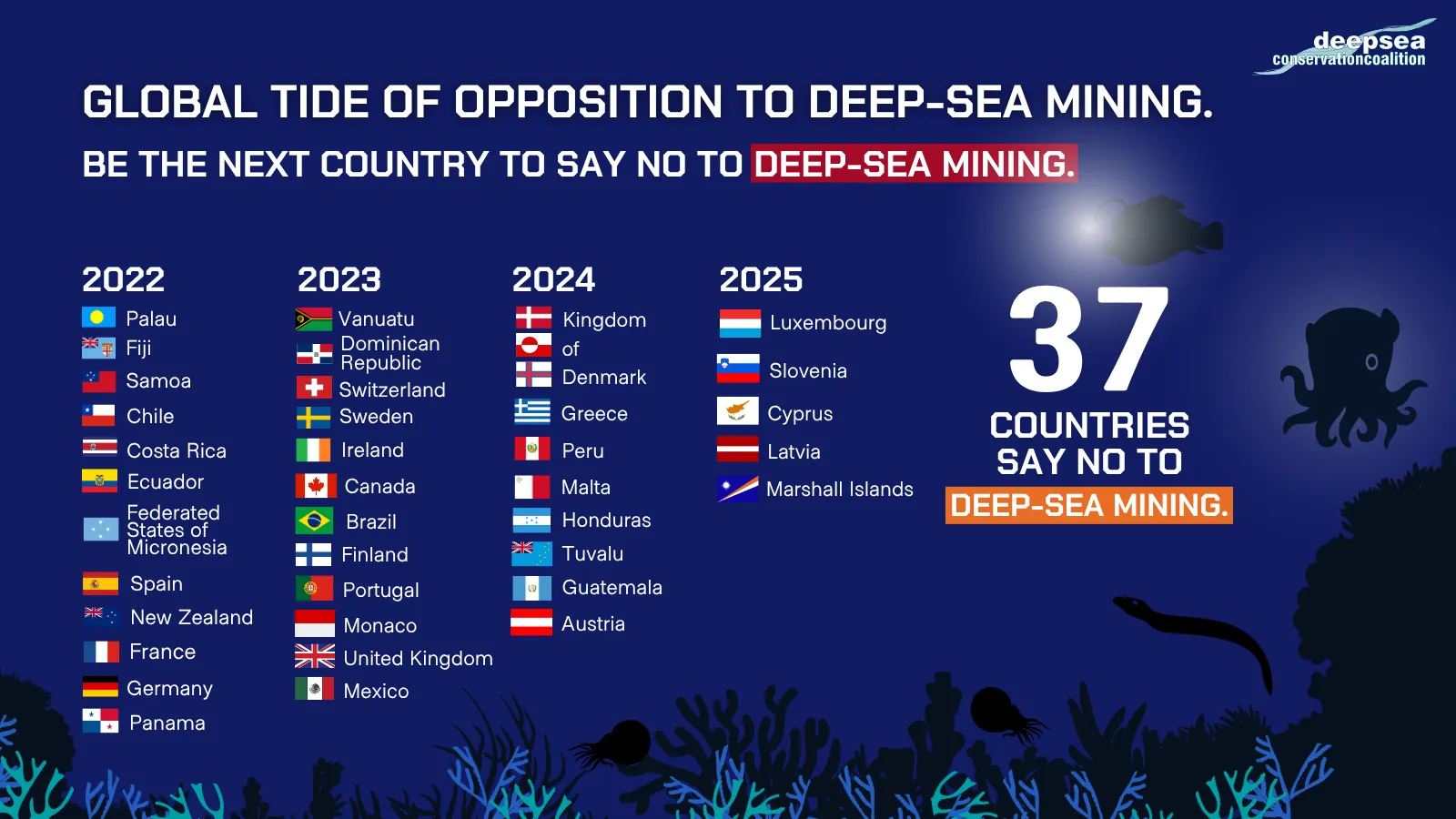
But despite building momentum for a moratorium on deep-sea mining (DSM)—with 37 countries, civil society, scientists, and Indigenous groups calling for a precautionary pause—UNOC3’s final declaration omitted key language.
The phrase “precautionary principle” was removed entirely.
“This was a strategic failure and exposes the power of corporate/state lobbying,” said Regional Director of the Pacific Islands Climate Action Network (PICAN), Rufino Varea, in his final report observing UNOC3.
“The declaration instead applauded the International Seabed Authority’s progress – a win for pro-mining states.”
The omission left many Pacific delegates frustrated, particularly as some Pacific countries, including the Marshall Islands and Solomon Islands, announced moratoriums or national reviews on DSM.
“There were shifts,” said Tau.
“In a sense that countries like Marshall Islands imposed a moratorium not only within their waters but in different forms, and Solomon Islands who agreed to a moratorium waiting their national jurisdiction.”
Perhaps the most disappointing outcome was the lack of any mention of fossil fuels in the political declaration. Despite strong advocacy from Pacific civil society and governments—particularly Vanuatu—there was no reference to phasing out fossil fuels or ending subsidies.
“This was a deliberate omission,” said Varea.
The silence on fossil fuels and the push for feel-good narratives around blue solutions—while shielding the industries driving ocean degradation—exposed the power of corporate or state lobbying behind the scenes.
This reflects a broader tension: while Pacific voices grow louder, geopolitical and corporate interests often dilute final outcomes.