SOME of the most popular dance and disco songs of the nineties were sung by the Dutch group Vengaboys. “We like to Party” and “We’re going to Ibiza” are just two of their most well-known hits among a host of others.
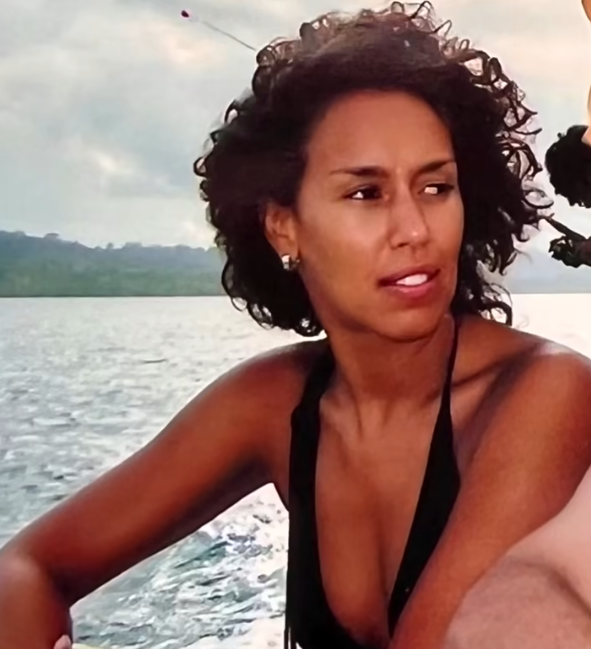
As well loved as they are, many people—particularly those of us from the Pacific—would perhaps be unaware that the group has strong connections to our region, through lead singer Kim Sasabone.
Indonesia (formerly known as the Dutch East Indies), was a colony of the Netherlands for about 350 years, initially under the auspices of the Dutch East India Trading Company. In the aftermath of World War II, Indonesia fought the Dutch for independence, which it successfully gained in 1949.
Sasabone is from the Moluccas, also known as the Maluku islands, which are a group of around 1000 islands in eastern Indonesia – right next to West Papua. The islands are well-known for spice production such as cloves and nutmeg – making them an integral part of the global spice trade.
Through Kim Sasabone, Moluccans have also left their mark on the global music industry. She is quite proud of her Moluccan heritage. “ If people in Holland ask, ‘Are you Indonesian?’ All the Moluccan people say, oh, no, no, no, no, no,” she said in an interview with ABC Pacific. “We’re Moluccan. That’s a whole different species.”
It has been 75 years since the first Moluccans came to the Netherlands. Most of them former soldiers who fought on behalf of the Dutch East India Company. They were evacuated out of Indonesia after Moluccan nationalists declared independence from the new country of Indonesia, sparking a bloody civil war.
12,000 Moluccans became Dutch citizens at the time. It is a history that is close to Sasabone’s heart and means a lot to her. Her grandfather was one of the earliest arrivals, with his son (Sasabone’s father), who was only seven at the time. “You know, my dad was born in Molucco and then arrived here in this cold, wet Netherlands where people were supposed to stay temporarily,” she said.
Reconnecting with her roots was another special memory. Sasabone’s first trip back to Molucca happened in 2006. “So I was 30, 20 years ago. I can remember it so vividly. Coming from Europe, you fly to Jakarta and then to Ambon. For the first time, I had that longing. I never, ever, ever had that.
“And that island came closer and closer and closer. And we saw all our families standing on the pier, on the wooden pier. It’s cousins, cousins, cousins, aunties and uncles you don’t know.
“And they welcome you.”
For Sasabone, that reconnection was a return to a heritage her grandparents had carried halfway across the world. Growing up in a predominantly white Dutch village, she always knew she was different, and it wasn’t until she stood on that wooden pier in Saparuwa that she truly understood what that difference meant.
“I’ve never heard it because people don’t notice. People don’t know the history,” she reflected. “When I was very young, my mom explained to me, to us children, my sister and me, why my grandparents came to the Netherlands and what was going on in Indonesia at the time and how it all was. So being that age under 12, I kind of knew these stories, but I never really felt it because you’re too young. You’re too young to comprehend what’s really going on. You’re just living your life as a Dutch girl, always knowing that you have your heritage.”
Sasabone carries that heritage with her, and it’s a source of pride. She may have been born in the Netherlands, but a piece of her heart will always belong to the islands of Maluku.