
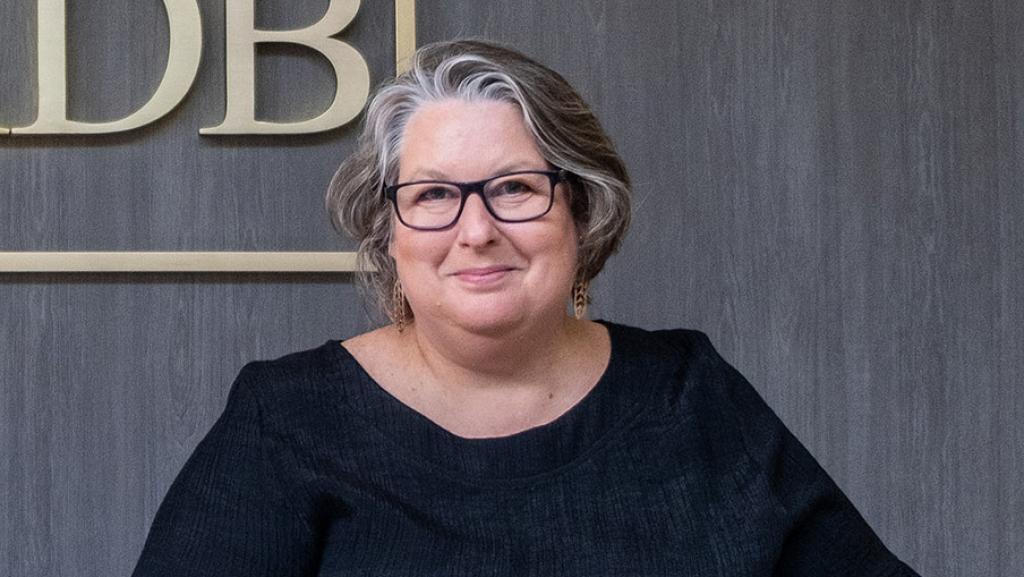
PACIFIC governments should combine domestic reserves, contingent credit, and insurance to finance disasters, while preparing in advance to deliver money and aid to affected communities, the Asian Development Bank’s Pacific director general, Emma Veve, said.
Veve set out three priorities: layering financial protection against disaster risk, planning how funds and resources will be deployed, and aligning government and development-partner systems.
She spoke after the Tuvalu Prime Minister discussed available disaster support mechanisms, during the PRECOP31 side event earlier this month.
“Clearly, relying on yourself is always the best option,” Veve said, pointing to national disaster trust funds and budget allocations for emergency response as a government’s first line of support. Development partners, including the World Bank and bilateral partners, could provide additional help, she said.
Countries could also arrange contingent lines of credit, choosing their size and whether to draw on them when a disaster strikes, Veve said. Insurance could cover other risks, but premiums vary: less likely events can be cheaper to insure, while frequent events attract relatively high premiums.
That makes choosing the right mix essential, she said. “This is the point of layering, making sure what you’re spending to prepare yourself for risk is good value for money.”
In other parts of the world, catastrophe bonds are used for very infrequent risks. The bank recently completed one in Central West Asia, Veve said, but catastrophe bonds require significant conditions and information. Work on what would be needed to make them viable in the Pacific showed “there’s still some way to go until we get to that stage,” she said.
When a crisis is especially severe, Veve said, bilateral partners and neighbouring countries can also be called on to help.
Her second priority was planning to ensure money and practical assistance can reach where they are needed. Governments should arrange procurement ahead of time so people and bulldozers are available to clear roads after cyclones, and establish institutional responsibilities, committees and standard operating procedures for cyclones, earthquakes and other disasters, she said.
Such preparation helps set priorities for spending and establish the systems needed to deliver funds, Veve said. Work across the Pacific has also focused on improving direct payments to affected people and targeting those most in need, rather than distributing assistance broadly to everyone in a geographically affected area, she said.
Social welfare payments are important alongside physical assistance, Veve said.
Her third priority was coordination among governments and the many organisations responding to a disaster. Harmonising partner systems with government systems, using government systems where available, and routing funds through national budgets instead of separate donor projects can move money faster, she said.
Veve summarised the approach as “the risk layering, the planning ahead and the aligning our systems.”


