
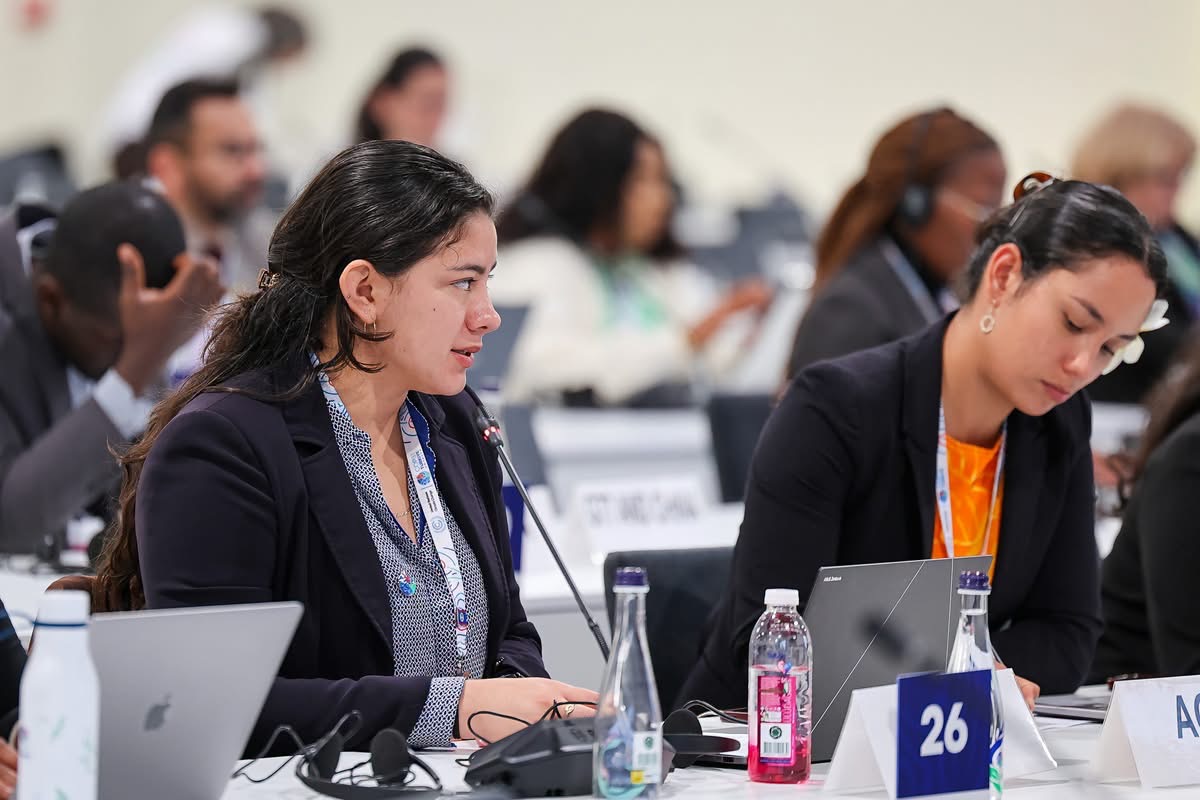
COP31 negotiations have entered a critical second week after Australia’s Minister for Climate Change and Energy, Chris Bowen, presented the first draft of a presidency-led cover decision, setting out proposals on climate finance, fossil fuel transition, electrification and the global commitment to limiting warming to 1.5°C.
Bowen said the draft was released early to give countries time to examine the proposals and work towards consensus. It draws on more than 500 pages of submissions from over 160 countries and is intended as a starting point for negotiations, rather than a final agreement.
“This is a draft, a first draft. It won’t be the final draft,” Bowen told reporters.
The proposed text includes references to the Paris Agreement, temperature overshoot and efforts to return global warming to 1.5°C. It also raises proposals for a 35% electrification target by 2035, a pathway to triple adaptation finance by 2035, and recognition of the role of oceans and the vulnerabilities of mountain and glacier-dependent communities.
Bowen said, “negotiators had reached agreement on 48 items, while around 30 mandates still required outcomes and further drafts would be issued as countries worked through areas of disagreement.”
The science discussions recorded warming of 1.47°C for January to September 2026, but stronger language on temperature overshoot and carbon removal did not make it into the final conclusions.
The transition away from fossil fuels remains one of the most contested issues at COP31.
Pacific countries have pushed for a clear commitment to phase out fossil fuels, but the issue has faced opposition in the mitigation work programme and consultations on the cover decision.
The first draft includes language calling for accelerated action to phase out fossil fuels, including an immediate transition away from fossil fuels in energy systems. But there is no specific global timetable for that transition.
Australia’s Minister for Climate Change and Energy and President of Negotiations, Chris Bowen, acknowledges that the fossil fuel language would face strong opposition from some countries.
Bowen said, “Is it appropriate that there’s a conversation about fossil fuels in the draft? Absolutely.”
“Will it look exactly like it does in the draft? No,” he said.
The comments come as Pacific countries continue to press for the transition away from fossil fuels to remain central to the final outcome, while some negotiating groups have opposed any reference to fossil fuels in the COP decision.
According to the Pacific Islands Climate Action Network (PICAN), Russia rejected references to 1.5°C, while the Arab Group opposed including the transition away from fossil fuels in the programme.
Pacific negotiators head into the second week of COP31 facing continued resistance to calls for a stronger commitment to the 1.5°C limit, a transition away from fossil fuels and increased climate finance for vulnerable island nations.
The first draft of the COP31 Presidency-led cover decision, released on Monday, acknowledges that the world is likely to overshoot 1.5°C and calls for a return below that threshold as early as possible within this century.
However, it does not establish a clear pathway to prevent overshoot or set specific obligations for individual countries.
Climate finance negotiations remain deadlocked
Climate finance is another major area where Pacific demands have yet to secure agreement.
At the beginning of COP31, a proposal to triple adaptation finance was left out of the formal agenda because countries could not reach consensus.
Developing countries, including members of the Alliance of Small Island States (AOSIS), have since challenged the draft climate finance work programme, arguing that it does not adequately reflect their views or the responsibility of developed countries to provide finance.
Developed countries want the discussions framed around the climate finance goal agreed in 2024.
During the finance discussions, Pacific representatives raised concerns that small island states receive only around three per cent of adaptation finance.
The cover decision draft now proposes that adaptation finance should reach at least US$120 billion. It also calls for simpler funding procedures, dedicated minimum allocation floors for Small Island Developing States and Least Developed Countries, and greater use of grants and other non-debt-creating instruments.
However, these provisions remain in an unagreed draft, with no guarantee that the proposed funding arrangements will be retained in the final decision.
The draft also recognises the Pacific Resilience Facility (PRF) and calls for its capitalisation, but does not specify a funding target or contributions from donors.
The funding gap is also evident in the response to loss and damage. The Fund for Responding to Loss and Damage reported 176 funding requests worth US$2.8 billion. Its first project approvals are expected in December, with replenishment beginning in 2027.
Bowen said the Presidency had released the cover decision early to give countries time to consider the proposals and negotiate a final outcome.
“The Presidency had received 45 submissions, amounting to more than 500 pages, on behalf of more than 160 countries,” he said.
“This is a draft, a first draft. It won’t be the final draft,” Bowen told reporters.
“Outcomes drafts often start quite broad and get refined down, but each draft is a step towards more common ground,” he said.
Pacific calls on ministers to hold the line
The International Court of Justice Advisory Opinion on climate change is another Pacific priority that remains uncertain in the cover decision. Six Pacific countries raised the issue during consultations, seeking its recognition in the overarching COP outcome.
On ocean action, Pacific representatives have argued that protecting the ocean requires a transition away from fossil fuels. The Federated States of Micronesia and Tuvalu have also cautioned against unproven ocean-based interventions such as marine carbon capture.
There are some good news, Cook Islands Pacific Small Island States Coordinator for Transparency, Terito Story, said the first week had delivered some progress.
“Negotiations have progressed well and in the direction that Pacific parties have been pushing,” Story said.
She said, “The special circumstances and capacity challenges faced by Small Island Developing States and Least Developed Countries had been recognised in discussions on implementing the Enhanced Transparency Framework under the Paris Agreement.”
But Story said the second week would be important in ensuring that progress made during the technical negotiations was reflected in the final decisions.
“In the second week, SIDS will work to secure a similarly strong outcome under the CMA and ensuring that the progress made in Antalya is reflected in the final decisions adopted at COP31.”
With negotiations now moving to the ministerial level, Pacific countries face a difficult week of discussions on the issues they have consistently identified as critical: keeping 1.5°C within reach, securing a transition away from fossil fuels and ensuring climate finance reaches the countries most exposed to the impacts of climate change.