
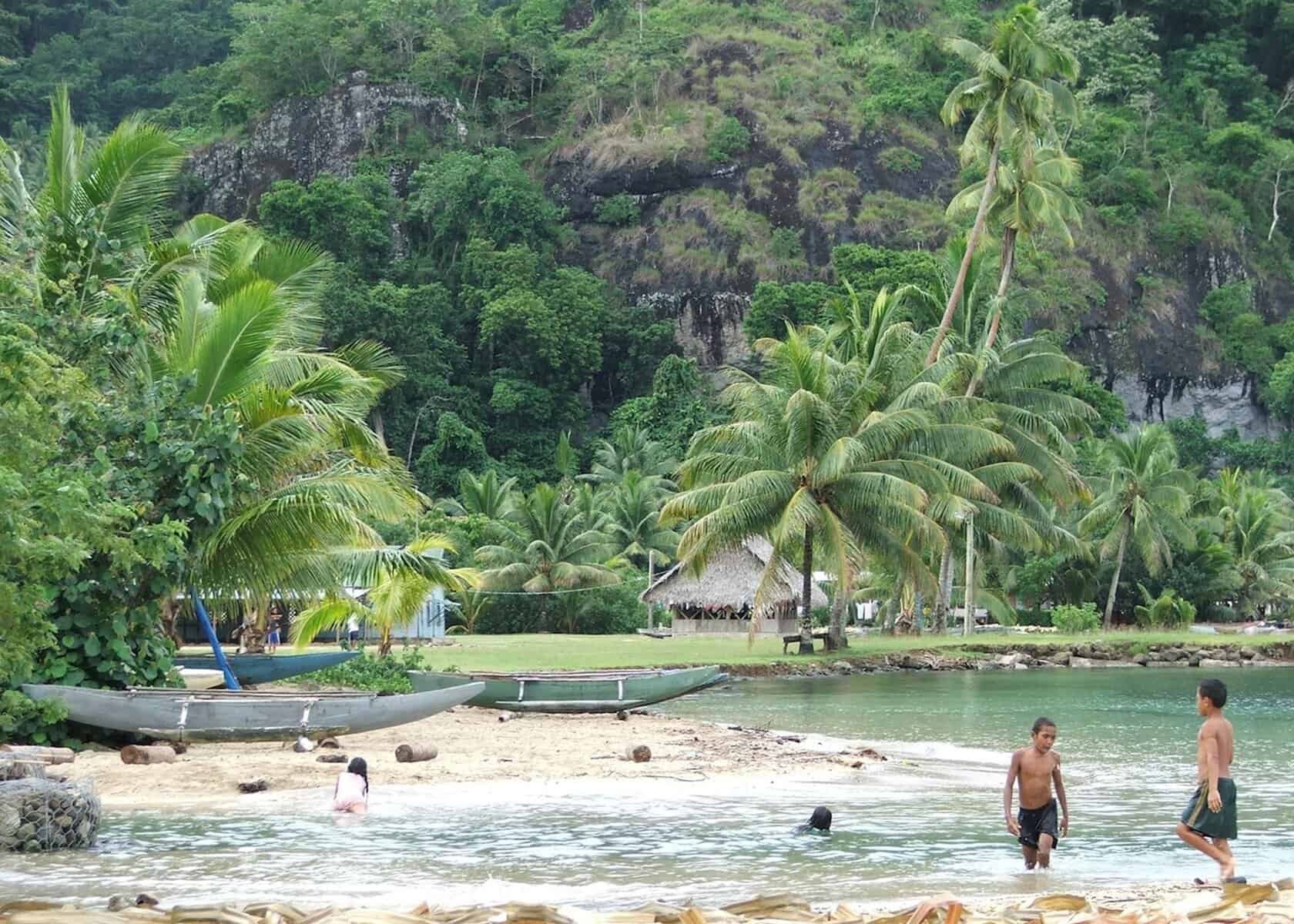
GOVERNMENT projects and community engagement efforts are ongoing in Vanua Levu, Fiji’s second largest island, but progress is slow, with hopes for better coordination and infrastructure support.
The Fiji Tourism Development Program in Vanua Levu’s Na Vualiku (The North) project Micro, Small and Medium Enterprises (MSMEs) and Community-Based Tourism (CBT) Capacity Building and Grant Funding Program represents the government’s efforts to include local voices in tourism planning and boost community-based tourism.
The Na Vualiku MSME and CBT Capacity Building and Grant Funding Program was launched in December 2025 by Deputy Prime Minister and Minister for Tourism and Civil Aviation, Viliame Gavoka.
The application period closed on 13 February 2026, generating strong demand and establishing a robust pipeline of applicants. The evaluation of the applications is underway.
“Local operators express cautious optimism but want tangible progress and clearer communication from the government,” said Lara Vokai, Tourism Association Representative, Northern Region.
“Collaboration between expat resort owners and local operators is seen as essential for success.”
Infrastructure Upgrades Linked to Tourism Growth include the recent completion of Labasa Airport but need more clarity on the broader impact.
“Operators note a lack of clear evidence connecting infrastructure improvements directly to tourism growth, yet better roads and connectivity remain top priorities voiced by multiple stakeholders to unlock potential,’’ she said.
“Operators are ready to support initiatives but require active partnership and support.”
Strategic Vision and Competitive Advantage
Northern Fiji’s tourism strategy centres on maintaining authenticity, community ties, and sustainable growth as its unique selling points.
Authentic experience and connection, as core values in northern Fiji, provide a compelling alternative to fast-paced, mass-tourism markets.
Vokai noted the region’s slower rhythm, allowing visitors to truly engage with nature and community.
“Personalised service based on deep local relationships creates memorable guest experiences and repeat visits,’’ she said.
“The lack of commercialisation and crowding is positioned as a rarity and strength in global travel trends. This philosophy underpins product development, marketing, and sustainability efforts.”
Meanwhile, sustainability embedded in operational DNA continues to drive both survival and competitive positioning.
“The region’s remote, low-impact tourism model aligns with growing global demand for eco-friendly travel. Operators’ long-standing reliance on solar power and local sourcing offers a blueprint for sustainable tourism,” she said.
“This approach mitigates risks of overtourism and resource depletion while appealing to conscious travellers. It also positions Northern Fiji as a leader in responsible tourism within the Pacific region.”
Vision for Inclusive and controlled growth aims to balance increasing visitor numbers with the preservation of the north’s character.
“Leadership wants all stakeholders involved in growth decisions to ensure community interests are protected,’’ she said.
“Growth targets remain modest but focused on quality, experience, and sustainability rather than volume alone. This vision supports long-term viability and enhances the north’s global reputation as an authentic tourism destination.”


