WEATHER and climate stories can save lives in the Pacific when accurate information reaches communities in time to prepare for fast-onset hazards, El Niño, tropical cyclones and other extreme events, a senior climatologist said.
“Providing right information at the right time, that’s really important,” said Philip Malsale, COSPPac Senior Climatologist at SPREP.
“We have weather, really like fast onset hazards, so timely information that can really save lives.”
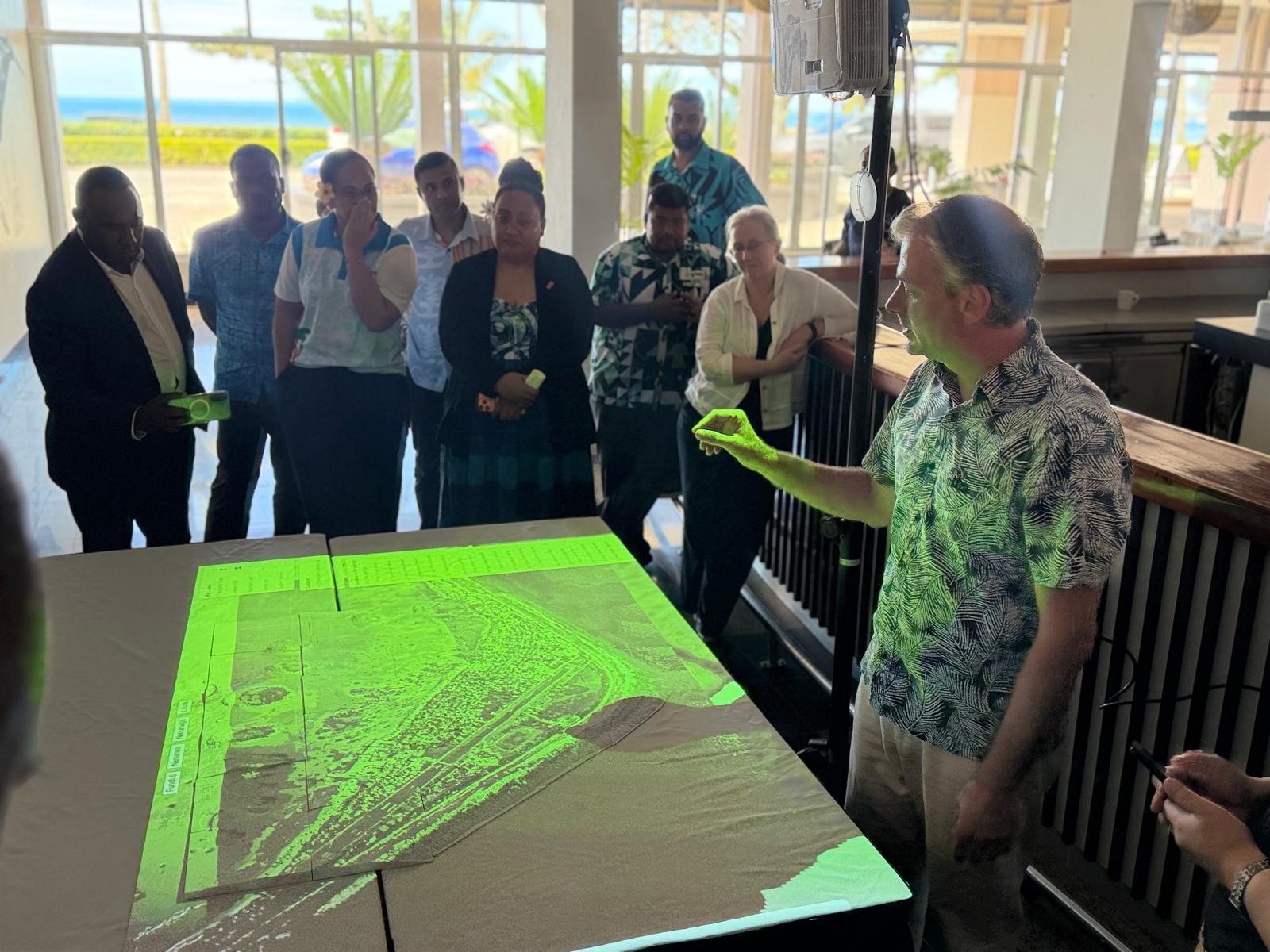
Malsale was speaking during a Pacific Media Mana Masterclass held ahead of the 8th Pacific Meteorological Council Meeting (PMC-8), where officials are discussing weather, climate and ocean issues facing the region and deciding on actions.
The meeting is particularly significant because of the current El Niño event, Malsale said. A ministerial statement from the gathering will also mention El Niño, he said.
The media training is intended to help journalists understand climate science and technical terms, then simplify them for the public.
“Sometimes our stories are not properly told to our communities for our people to better understand,” Malsale said.
He said journalists who connect the science discussed during the masterclass with the issues considered by regional leaders would be better placed to inform communities about preparing for El Niño, the tropical cyclone season and other climate and weather extremes.
Climate information was especially important for slow-onset events, Malsale said, because people might not immediately recognise that they were already experiencing El Niño.
“Communicating the potential impacts to our communities, it makes them well prepared for this event,” he said.
Faster Public Information Needed
Malsale said media played a critical role in connecting scientific analysis with communities across the Pacific.
The science community often used technical terms while analysing climate events, he said, making cooperation between scientists, journalists and communities essential.
“It’s really important for them to be better, because this training is not a training for only the scientists,” he said. “It is all the different communities working together, media, the science, and this is a response people as well.”
But internal government procedures could delay the release of climate information, Malsale said.
“Sometimes the meteorological services know what’s happening, but in order for it to release, it has to go through the Council of Ministers, get their approval, before it goes out,” he said.
He recommended keeping the official approval process while allowing national meteorological services and communications services to release information through public channels on a monthly basis, including social media and websites.
“The monthly releases from the national meteorological service needs to come out using the public channels,” Malsale said.
“It needs to go out as soon as possible, because information, timely information, saves lives as well.”
Malsale said artificial intelligence could help provide timely information, but warned that users must check its sources.
“AI is on the positive side of things as well, but on the other side, we need to be careful on where the sources are,” he said.
AI could draw information from trusted or untrusted sources, he said, while national meteorological services remained mandated scientific institutions within countries.
Using AI alongside national meteorological services could make information available to journalists and communities so they can make decisions based on what they see, Malsale said.
Pacific Journalist
“The media classes play a pivotal role in shaping weather and climate stories by reminding journalists why the issues matter and helping them understand complicated information,” said Talia Mika, a senior journalist and freelancer for Cook Islands News and RNZ.
“Climate and weather information has always been complicated and technical,” she said.
“In the everyday life of a journalist, we tend to focus more on political and other trending issues but only emphasise on climate and weather stories when something huge occurs.”
“Most importantly, helps us understand the jargons and break down the technicalities in the weather and climate language,” Mika said.
“Pacific media also plays an important role in shaping community awareness and response to climate change and natural disasters.
“Any media took years to build their communities and a large following and the larger their reach, the bigger their influence is in reaching communities,” Mika said.
“How they shape the community awareness, media language is very important in making the public understand how severe each event impacts the communities.
“So yes, media plays a very important role in shaping how the communities understand the kinds of awareness that they need.”
Mika said one of the major ongoing challenges for journalists reporting on complex climate phenomena such as El Niño was getting timely information to support urgent stories.
“One major ongoing challenge is the timely relevance of the information needed to back up a story especially when it comes to urgent stories that need to be published,” she said.
Mika added the relationship between media and key stakeholders such as government could also affect the delivery of weather and climate stories.
“I believe the impact of the relationship between media and key stakeholders like government for example, due to other stories, can impact the delivery of weather and climate stories which we believe shouldn’t,” Mika said.
“Because at the end of the day, these are the stories that can save a life.”
Supported by SPREP and SPC to cover the 8th Pacific Meteorological Council Meeting (PMC-8) in Nuku’alofa, Tonga. Editorial control remains with the author.