
TONGA has declared drought across most of its islands, with the effects of El Niño expected to persist until at least June next year, placing further pressure on communities already vulnerable to the impacts of climate change.
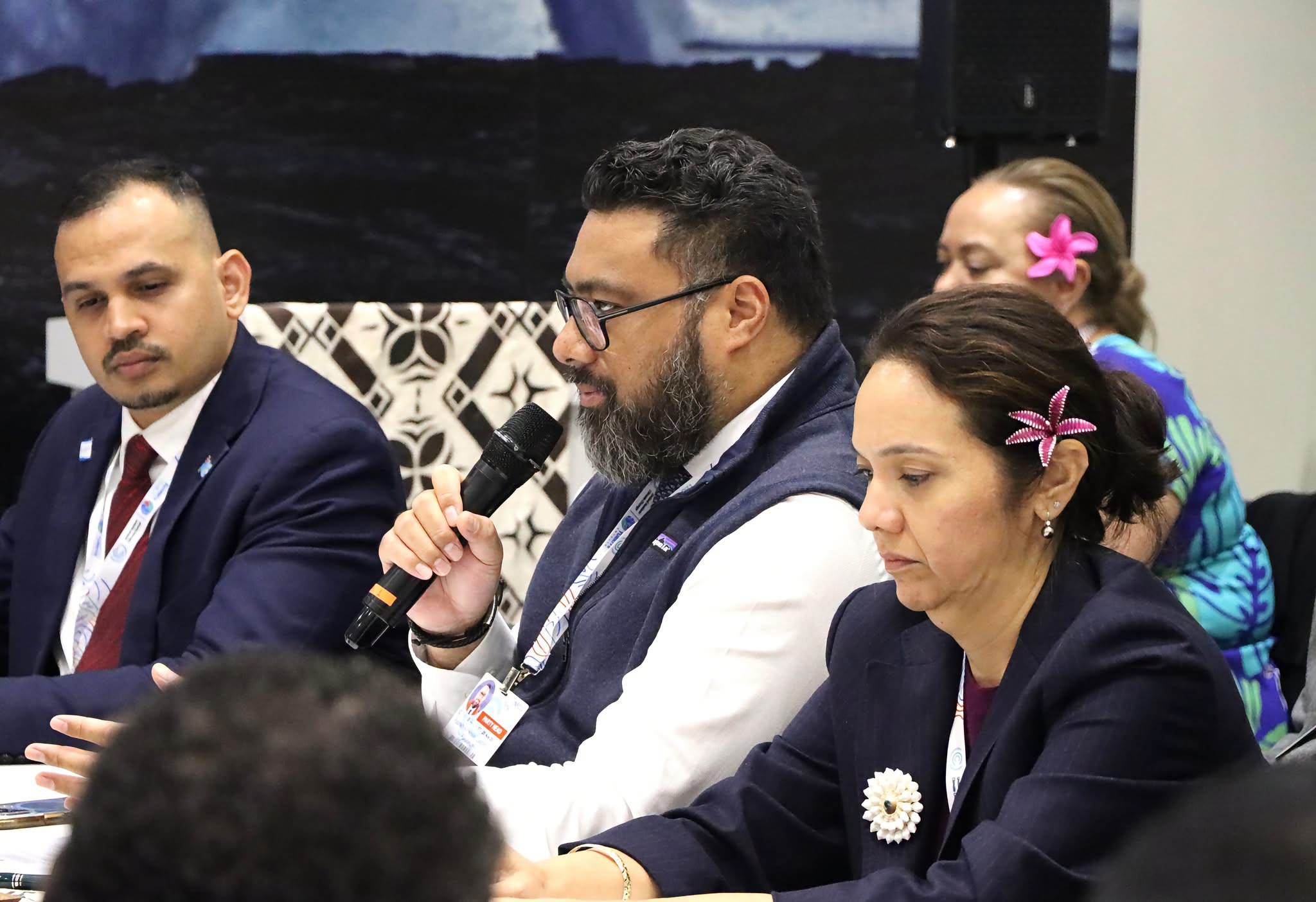
Prime Minister Fatafehi Kinikinilau Lolomana‘ia Fakafānua says the situation is an immediate and growing concern, one he is bringing to the international stage at COP31 as Pacific leaders push for stronger global climate action.
“Due to the effects of the Godzilla El Niño, Tonga is currently experiencing drought, and we’ve declared drought on most of our islands, and this is something that we are expecting to be prolonged through to the end of the El Niño in June next year,” he said.
The Tongan Government is working on immediate measures to support affected communities.
“There are some immediate remedies that we are working on to help alleviate our communities, but in the medium to long term, we’re looking at hardening our infrastructure so that we are less vulnerable to future droughts,” Fakafānua said.
“It involves desalination as well as using renewable energy so that the water is not at the cost of expensive fossil fuels.”
For Tonga, addressing the drought is also part of a wider Pacific challenge: accelerating the transition away from fossil fuels while ensuring communities have access to reliable, affordable and sustainable energy.
At COP31, Fakafānua is joining other Pacific leaders in pressing countries to keep the 1.5°C warming limit within reach, increase climate finance and recognise the critical relationship between oceans and climate change.
“The Pacific is not prepared to accept a future where exceeding the 1.5°C threshold becomes an accepted outcome rather than a warning for urgent action,” Fakafānua said.
“The Pacific wants us to return to that 1.5., we want to keep it alive, we want to bring back the target, and we want to ensure that we reach it as soon as possible.”
Tonga is also demonstrating its own climate commitments through its third Nationally Determined Contribution (NDC), launched at Fiji’s Pre-COP ahead of the climate summit.
The country’s targets include generating 70 per cent of its electricity from renewable energy by 2030 and reaching 100 per cent by 2035, alongside a commitment to plant one million trees.
But Fakafānua says national commitments must be matched by stronger international action, particularly as some countries continue to expand their investment in coal and other fossil fuels.
He argues that renewable energy should be at the center of global response, offering a more sustainable and affordable alternative to fossil fuel dependence.
“At this point of time and in history, renewable energy is the cheapest, and we believe that renewable energy is not just cheaper than fossil fuels, but it is also more sustainable, and it’s good for our environment,” he said.
The outlook for Tonga remains concerning. Tonga Meteorological Services (TMS) warns that the ongoing development of a very strong El Niño is expected to peak by December 2026, prolonging drought conditions across the country.
“Given the likelihood of both drought and cyclone-related impacts, the public, communities, businesses, and government agencies are urged to take proactive measures to strengthen resilience,” TMS stated.
The warning underscores the growing pressure on Pacific countries to prepare for multiple climate-related threats, even as they contribute little to the global emissions driving climate change.
For Tonga, the drought is no longer a distant climate projection. It is an unfolding crisis threatening water security, livelihoods and the resilience of communities across its islands.
As negotiations continue at COP31 in Antalya, Pacific leaders and community representatives are demanding that major emitters move beyond promises and deliver the urgent climate action needed to protect vulnerable nations.

