AS El Niño conditions shape weather messaging in Tuvalu and Naoero, meteorological staff are working to deliver forecasts and hazard warnings in languages and formats communities can use, including on islands where internet access can fail.
At a Polynesian Sub-Regional Knowledge Brokers Training for National Meteorological and Hydrological Services hosted by SPREP in the Cook Islands, communications staff from the two Pacific countries described the practical limits of warning delivery: people who say they never received timely information, internet outages, technical bulletins and the challenge of reaching remote communities.
Tuvalu uses local language and backup links.
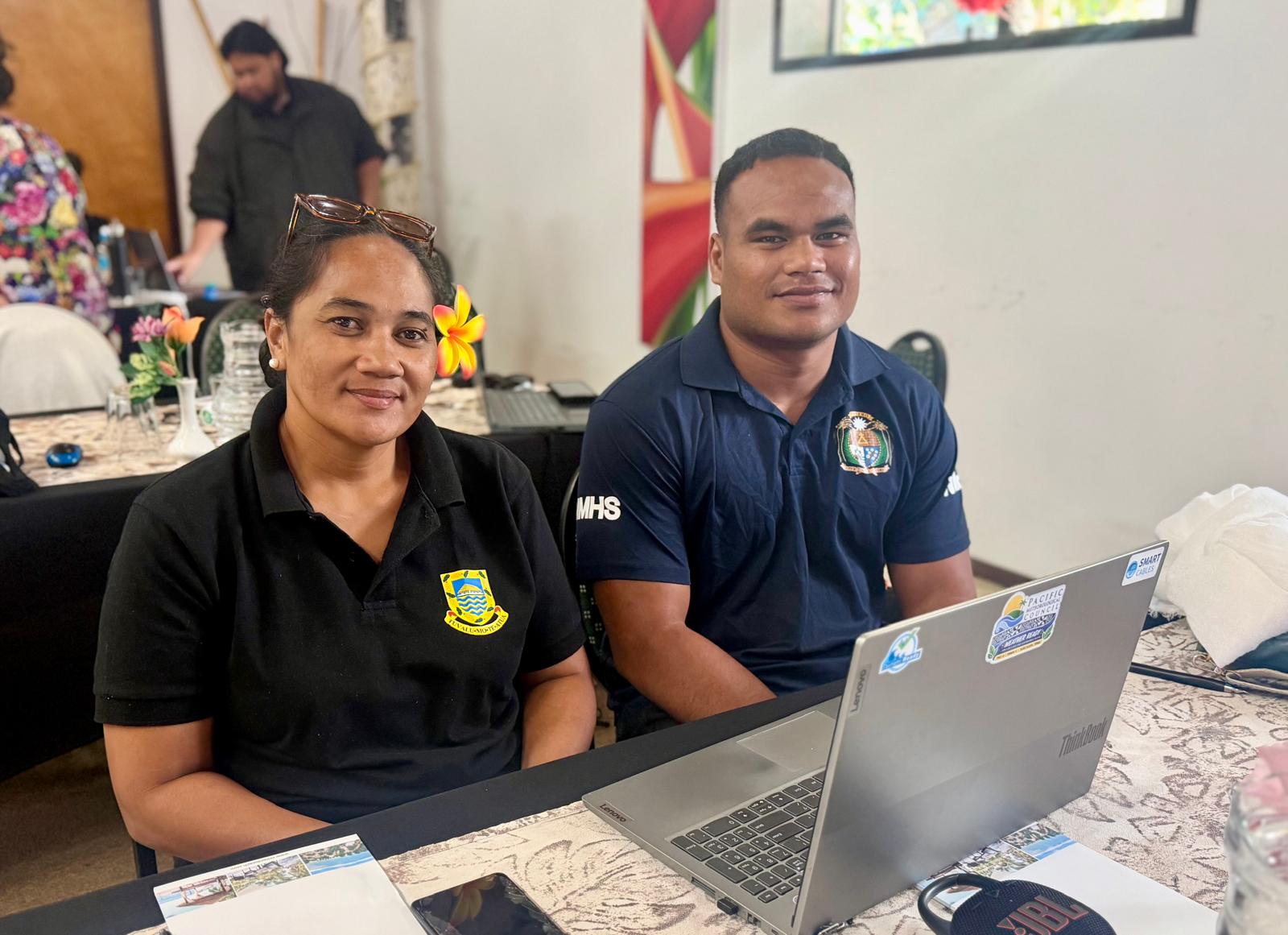
Simoea Tiute, communication officer at the Tuvalu Meteorological Service, said the office created the role in 2021 and can now disseminate information immediately, particularly during tropical cyclones and tsunami warnings.
“It’s very important,” Tiute said of communicating in both Tuvaluan and English. The service prepares statements and sends information to stakeholders in Tuvaluan, while its social media posts use both languages.
The service works with Tuvalu’s broadcast media, which Tiute said is the country’s only media broadcaster. Yet timely publication does not guarantee that people receive a warning: “people keep on saying that they did not get it,” she said.
Email is used to send information to outer islands. Where an island has no meteorological station, the service can use satellite phones and what Tiute called “HHS radio” to pass messages to meteorological staff and a Kaupule secretary, who relays them to the community.
Tiute said the training could help staff turn lengthy climate documents into simpler public messages. Forecast and climate staff at home often prepare two- or three-page documents, she said; the training emphasised a one-page Canva template.
She said she plans to share the skills with colleagues.
Naoero seeks simpler bulletins.
Ricky Joram, climatology manager at Naoero Meteorology and Hydrology Services, said the service issues weather forecasts and climate outlooks and uses Facebook, email, television news and radio to reach the public.
He described the current El Niño phase as bringing more rainfall and the wet season to Naoero.
“People need to be aware of the weather situation and maybe the upcoming weather hazards or climate hazards to prepare themselves,” Joram said.
Public feedback is mostly positive, he said, but people have also asked the service to use less technical language in its bulletins.
Internet outages remain a problem for issuing and sharing products. Joram said the service bought Starlink as a backup connection and switches to it when the island’s internet goes down.
Joram said communication had changed since he began as an observer in 2018: the service once relied on email, then added web pages and Facebook, and sought community feedback on how people want information delivered.
He said he is the department’s only communications officer.
The service currently publishes in English. Joram said his department is working with the Department of Culture on developing localised language materials because the current generation has not learned to read what he called the “proper Naoero language.”
He said traditional knowledge is also still slowly being incorporated.
Making the message reach the last mile
Joram said the training introduced him to Canva as a way to make weather products more engaging. He said the aim was “to get our message to reach the last person on the last mile.”
He also said the training expanded his understanding of communicating with communities, particularly people with disabilities.
“So now I can engage with them; they can know our products,” he said.
For both services, the task is not only to issue forecasts but to make sure the information is understandable and gets through.
In Tuvalu, that means local-language messaging and relays to islands without meteorological stations; in Naoero, staff address outages, technical language, and access for people with disabilities.