
This editorial draws from the World Bank Group report and adds no missing details.
THE World Bank Group report, toward a Secure, Affordable, and Resilient Energy Future: Roadmaps for the Pacific Islands, ranks electricity access alongside renewable energy as a regional priority.
A renewable transition that leaves remote communities without electricity will not meet the Pacific’s development priorities.
About 41 per cent of the combined population across Fiji, the Federated States of Micronesia, Papua New Guinea, the Solomon Islands and Tonga lacks access to electricity services. Most people without access live in Papua New Guinea, the Solomon Islands, and Chuuk.
The barrier is not a lack of ambition. Geography makes conventional grid expansion costly: the Pacific Island Countries comprise around 1,000 islands spread across 180 million square kilometres of ocean.
Remote and small populations, high infrastructure costs and limited economies of scale make extending grids to some communities difficult to justify. Off-grid solutions also face affordability, maintenance and climate-resilience challenges.
National figures show both progress and unfinished work. Fiji reached 99 per cent access in 2023, while Tonga reached 100 per cent. Papua New Guinea’s access rate rose to just over 21 per cent in 2023, still far below its 70 per cent target for 2030. The national figures do not erase rural and outer-island gaps, which require targeted solutions.
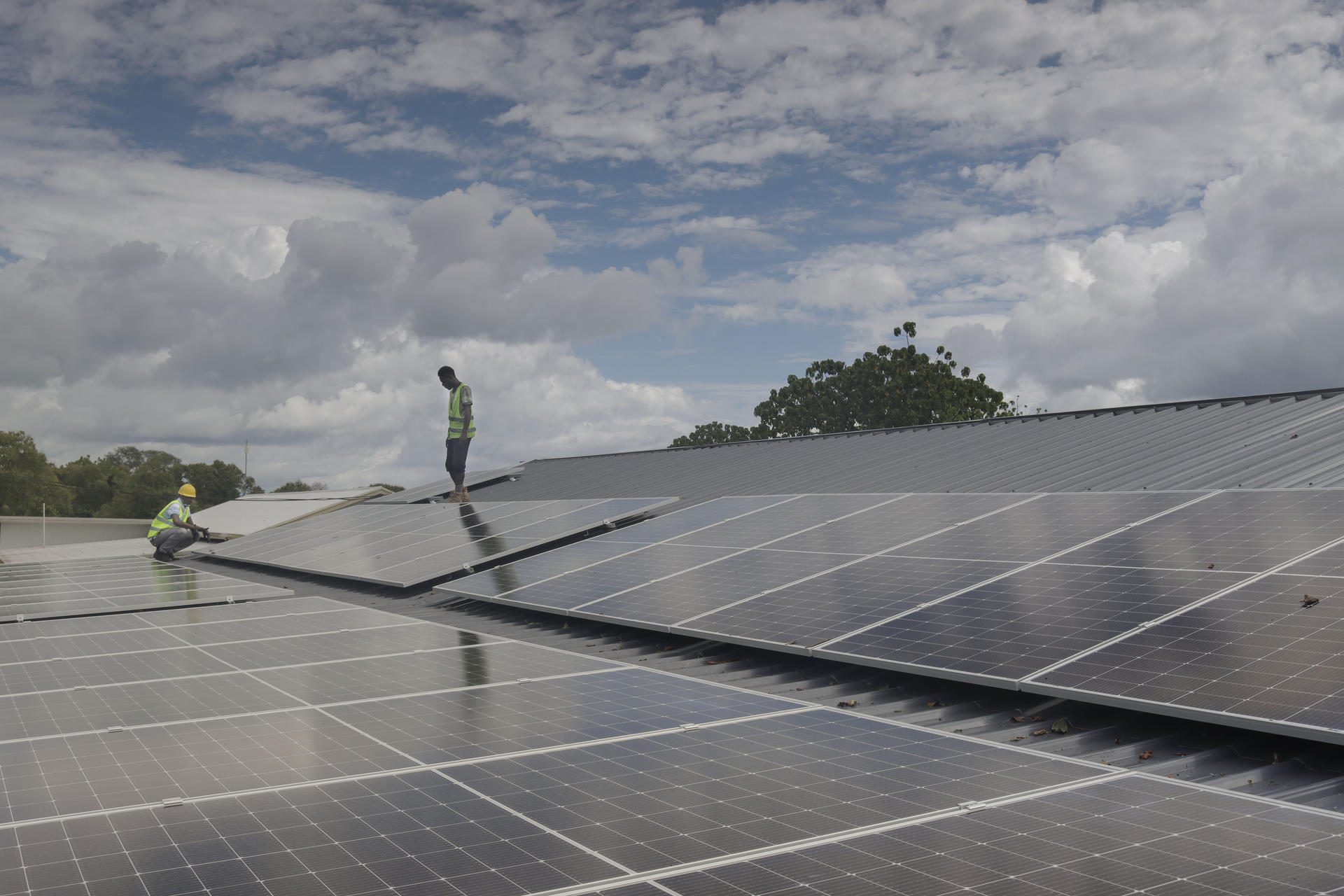
Governments should match each setting with practical options: grid densification where it can extend service, and mini-grids, stand-alone solar and other decentralised solutions where distance and cost make conventional expansion difficult. The roadmaps identify targeted subsidies, off-grid concessions, and improved land and community engagement as measures needed to accelerate access.
Access also depends on utilities that can maintain and expand networks. The report identifies weak utility finances, limited institutional capacity and insufficient investment as barriers. Tariffs that fail to cover the costs of efficient service delivery can undermine utility sustainability, while irregular adjustments and delayed public-sector payments add pressure. Expanding access without addressing these constraints risks leaving infrastructure without the resources needed to maintain it.
The transition requires substantial financing. The five countries need an estimated $2 billion through 2030 for generation, resilient grids, storage and electricity access.
Concessional finance remains critical for rural electrification and other projects that are not yet fully viable for private investors. Funding should support practical, sequenced plans that connect investment with stronger institutions and durable service.
Energy access and energy security are linked: reliable, affordable power supports households and businesses, while renewable energy can reduce exposure to imported fuel costs.
Success should be measured not only by how much renewable generation is added, but by whether people in remote communities gain dependable electricity and whether utilities can sustain that service.


