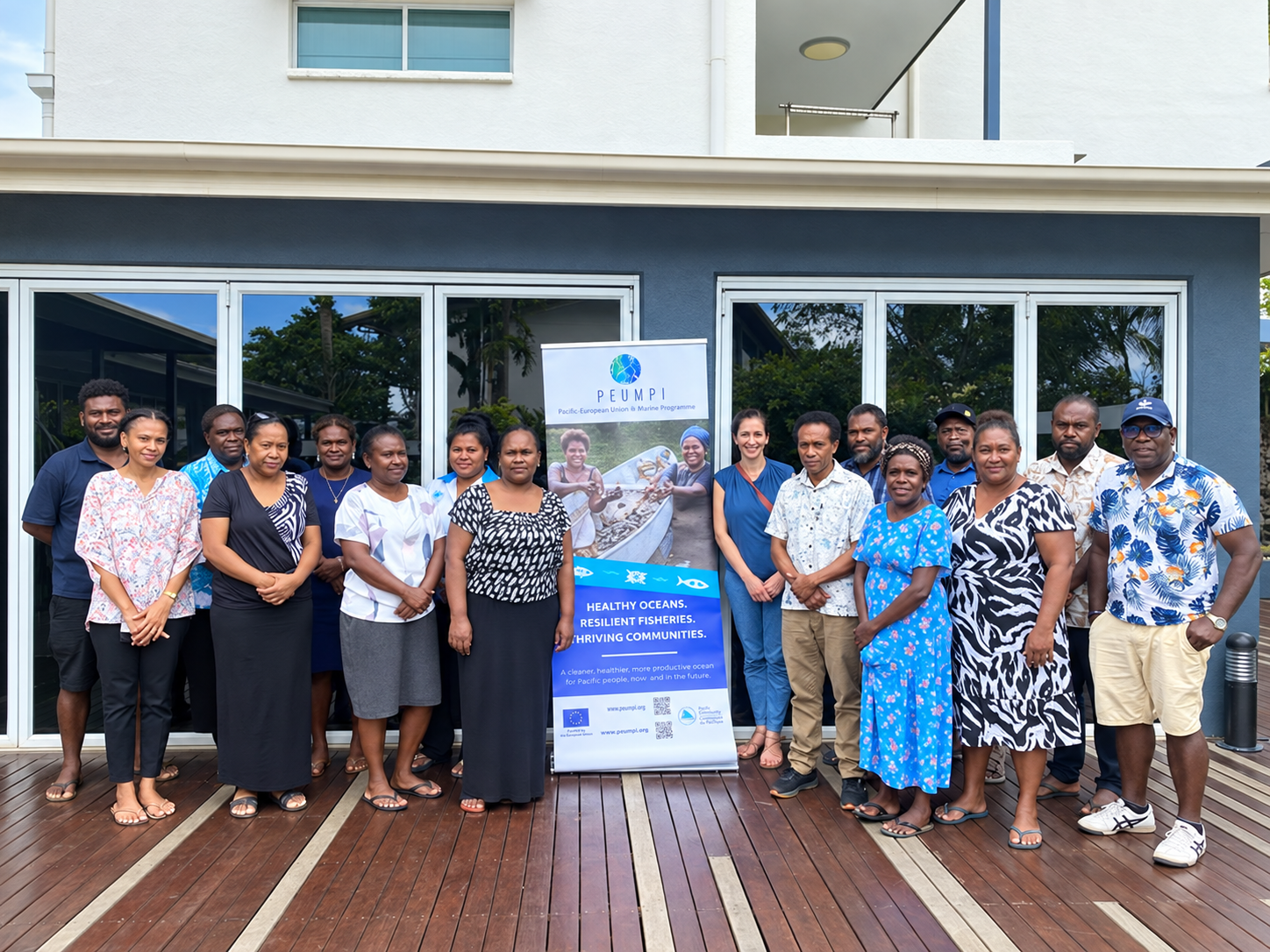
The Ministry of Fisheries and Marine Resources (MFMR) has launched its Gender Equality, Disability and Social Inclusion (GEDSI) Strategy 2026–2030, marking a significant step towards a more inclusive and equitable fisheries sector.
Endorsed in April 2026, the five-year strategy sets out how MFMR will mainstream gender equality, disability inclusion and social inclusion across its policies, programmes, services and decision-making.
Launching the strategy, Director of Fisheries Mr Edward Honiwala said women, youth and marginalised groups have long made important contributions across fisheries value chains, but their roles and voices have not always been recognised.
“Together we can build a fisheries sector that uplifts every voice, values every contribution and leaves no one behind.”
Mr Honiwala said the new strategy replaces a gender mainstreaming strategy developed more than a decade ago, which focused largely on inshore fisheries. The new framework takes a broader, holistic approach covering all key areas of MFMR’s work and the wider fisheries sector.
A particular focus is ensuring persons with disabilities and other marginalised groups have equal opportunities to participate in fisheries management, development and decision-making.
“Solomon Islands is among the few Pacific countries with a fisheries-specific GEDSI strategy,” Mr Honiwala said, describing its launch as an important milestone.
The strategy includes clear objectives, targets, indicators, and an implementation plan, providing a practical framework for moving GEDSI commitments into action across MFMR.
Its development was informed by consultations with communities and stakeholders, ensuring diverse perspectives helped shape the strategy.
The strategy was developed with technical assistance from the Pacific Community (SPC) through the Pacific-European Union Marine Partnership (PEUMP) Programme, with support continuing under PEUMP II, funded by the European Union (EU). Gender equality and social inclusion are cross-cutting principles across all EU programmes in the region, helping ensure that no one is left behind and that support reaches communities more effectively and delivers lasting, equitable outcomes.
WorldFish also provided guidance through the Pathways project, funded by the Australian Department of Foreign Affairs and Trade (DFAT).
Mr Honiwala acknowledged the support of government ministries, partners, donors and GEDSI experts and called for continued support as MFMR moves into implementation over the next five years.
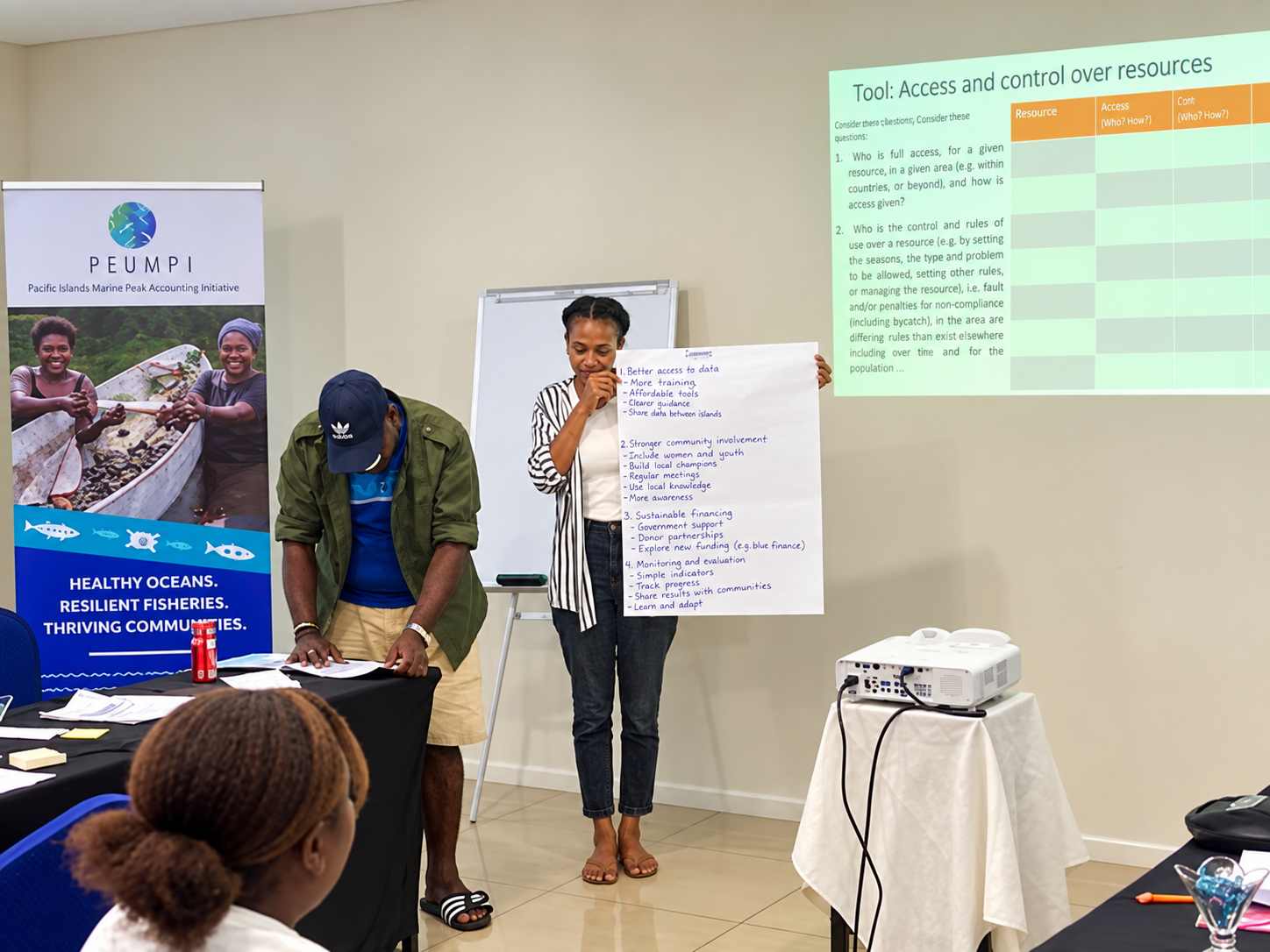
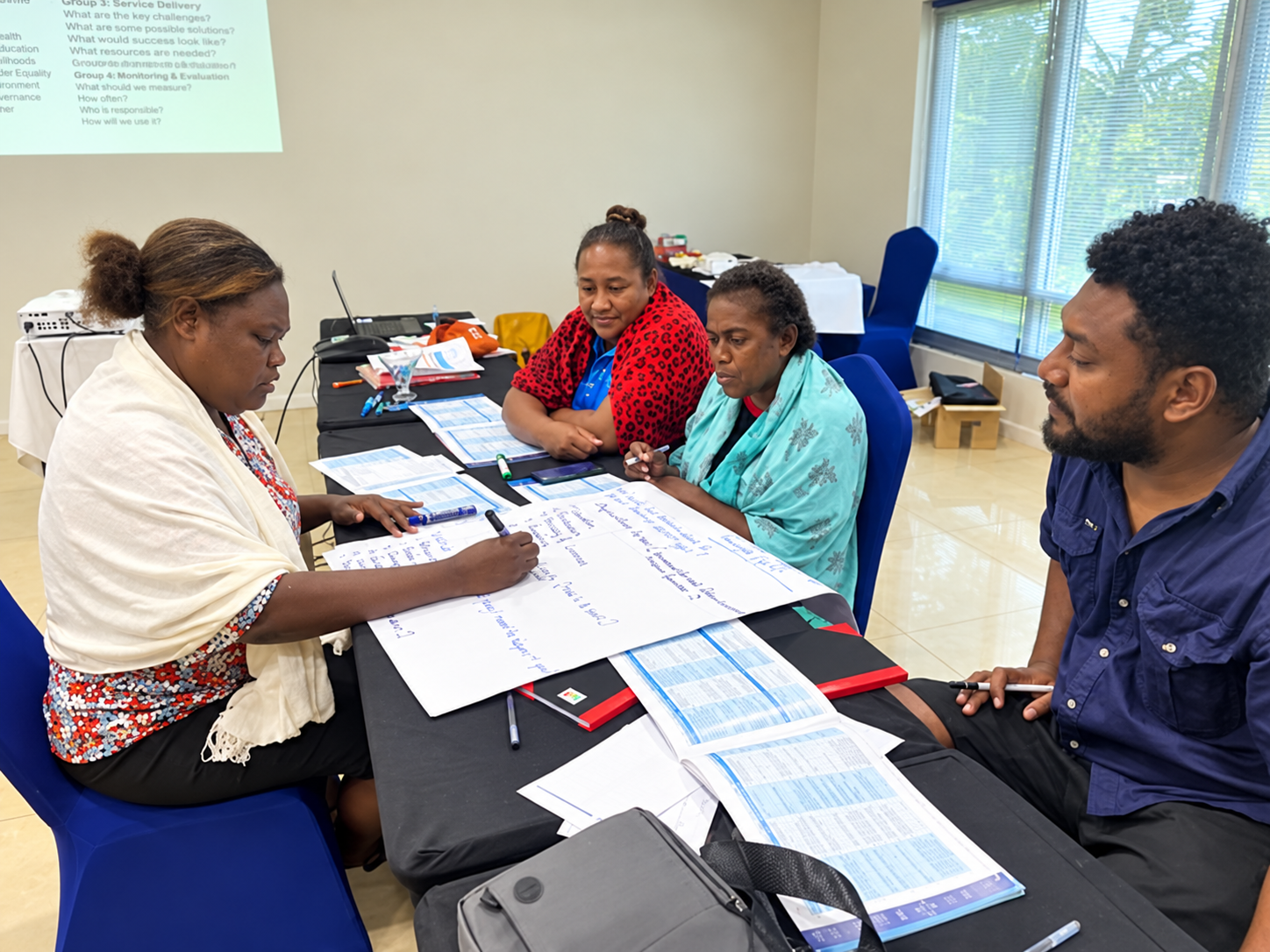
The launch coincided with a three-day GEDSI training for MFMR staff held from 31 August to 2 September 2026 at the Heritage Park Hotel in Honiara.
The training is an early step towards putting the strategy into practice, equipping staff with practical tools to consider how fisheries policies, programmes and decisions affect different groups.
Following the launch, MFMR will focus on implementing the strategy across its divisions, with clear responsibilities, timelines and regular monitoring of progress.
The strategy reinforces a simple principle: everyone should have the opportunity to participate in, contribute to and benefit from Solomon Islands’ fisheries sector.
About PEUMP II
The Pacific-European Union Marine Partnership (PEUMP II) Programme 2026–2030 is funded by the European Union and implemented by SPC, the Pacific Islands Forum Fisheries Agency (FFA) and the University of the South Pacific (USP), in close collaboration with the Office of the Pacific Ocean Commissioner (OPOC), national authorities and non-government organisations.
PEUMP II supports Pacific countries to address challenges including declining coastal fisheries resources, threats to marine biodiversity, climate change impacts, sustainable economic development, education and training, and the mainstreaming of GEDSI and a human rights-based approach to ensure more inclusive and equitable benefits from the blue economy.