International Women’s Day is a global reminder of the important contributions women make to their communities and the planet. The 2026 theme, “Give to Gain,” highlights a simple but powerful idea: when women are given opportunities, knowledge, and support, entire communities benefit.
Across the Pacific and beyond, women have long been quiet custodians of nature. From tending gardens and collecting water to passing down traditional ecological knowledge, their role in sustaining natural resources is deeply rooted in daily life. Yet these contributions are often overlooked. When women are empowered and included in conservation efforts, the impact can extend far beyond households, strengthening ecosystems and community resilience.
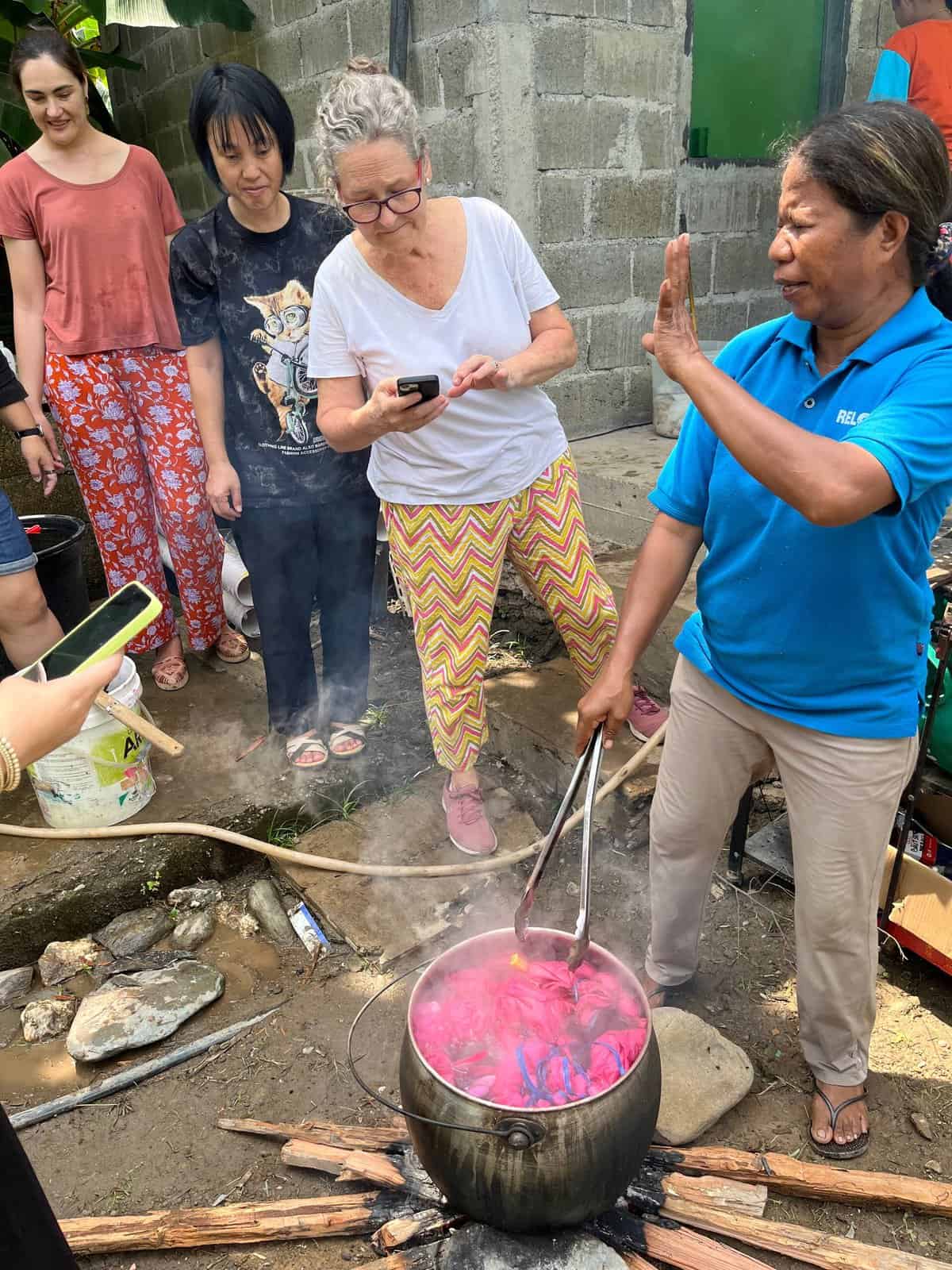
In Timor-Leste, the Reloka project, supported under the Kiwa Initiative, offers a powerful example of this in action. The project, Natural Dyes as a Pathway to Boost Biodiversity and Women’s Economic Empowerment, works with women’s groups in villages such as Hatali in Ermera and Nemun in Oecusse. These communities are known for traditional weaving, and the project connects this cultural practice with biodiversity conservation.
Women are now cultivating natural dye plants such as indigo and symplocos, linking sustainable land management with traditional textile production. Through hands-on training, participants are learning about climate change adaptation, regenerative farming and sustainable gardening. These skills not only help restore degraded land but also create new livelihood opportunities.
Beyond environmental benefits, the project is also strengthening women’s confidence and leadership. By forming women’s groups and creating spaces for collaboration and learning, participants are able to share knowledge, develop new skills and support each other. Some young women have even attended permaculture youth camps, gaining exposure to sustainable farming practices and opportunities to market their traditional textiles.
As women cultivate natural dyes and revive traditional practices, they are also restoring biodiversity and strengthening their communities. Their story demonstrates that when women are empowered to lead, conservation efforts grow stronger. In the spirit of “Give to Gain,” investing in women’s knowledge and leadership is an investment in a more sustainable future for both people and nature.