HONOLULU (13 March 2026) – From monument fishing regulations to false killer whale science and Hawai‘i fishery catch limits, the Western Pacific Regional Fishery Management Council’s Scientific and Statistical Committee (SSC) will take up several key issues at its March 17 to 19, 2026, meeting in Honolulu. The committee will review new scientific information, discuss changing management priorities and provide advice that will help shape upcoming Council decisions for fisheries in Hawai‘i, American Samoa, Guam and the Commonwealth of the Northern Mariana Islands.
AGENDA HIGHLIGHTS
Commercial Fishing Regulations in the Pacific Islands Heritage Marine National Monument
One of the SSC’s action items is to review alternatives to reopen commercial fishing in federal waters 50 to 200 nautical miles around Wake Atoll, Johnston Atoll and Jarvis Island in the Pacific Islands Heritage Marine National Monument. Commercial fishing in those waters has been prohibited since 2014, but Presidential Proclamation 10918, issued in April 2025, directed NOAA to publish new rules to amend or repeal regulations restricting fishing in the monument’s expansion area. Prior to the closure, permitted and highly regulated fisheries in those waters included bottomfish, precious corals, crustaceans, pelagic species and coral reef fisheries. The SSC’s advice will help inform the Council’s recommendation on what regulatory approach should apply in the monument expansion area when it takes final action at its 206th meeting later in March.
Alignment of Science and Management Priorities
The SSC will review a Pacific Islands regional effort by the Council and the National Marine Fisheries Service to better align science and management priorities at a time of reduced funding and limited capacity. Using a national risk-value matrix framework, the process is aimed at identifying which fisheries may require a narrower management or research focus, what operational changes may be needed and how those changes could be implemented while still meeting legal mandates. The SSC’s advice will help guide a proposal expected to come back to the Council in June.
The committee will also discuss whether to revise the Council’s reauthorized Magnuson-Stevens Act (MSRA) Five-Year Research Priorities Plan to reflect changing federal priorities, including possible updates to research needs related to fishery development and efficiency, and Council Inflation Reduction Act-funded projects.
MHI Insular False Killer Whale Abundance Estimates
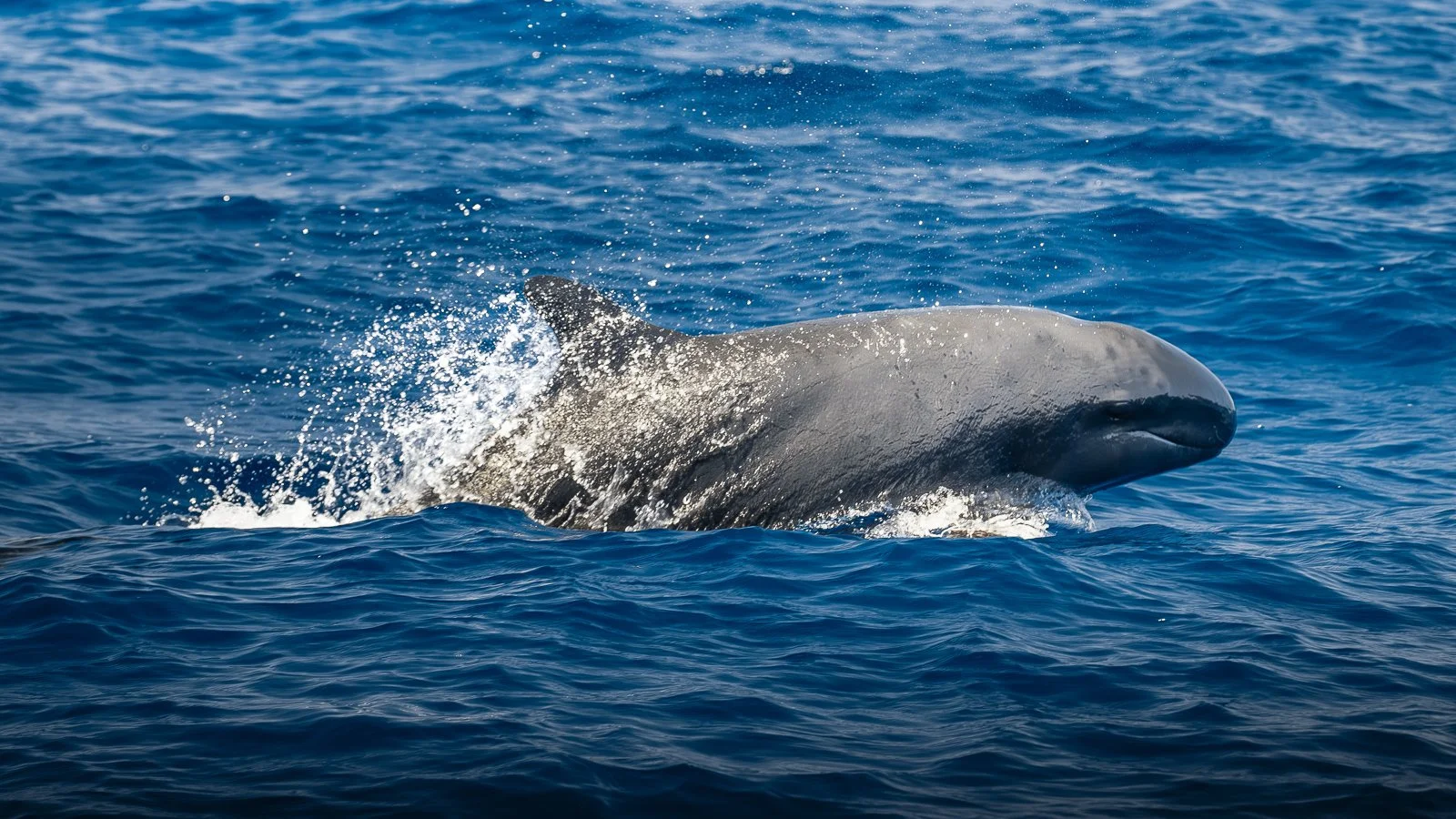
The SSC will take a closer look at new science on the endangered main Hawaiian Islands (MHI) insular false killer whale population, including recent research that found a decline in abundance after accounting for sampling bias. The committee had previously asked for additional sensitivity analyses and more information on the demographic factors behind the reported population trend. At this meeting, Pacific Islands Fisheries Science Center staff will return with a presentation focused on those analyses and the supporting evidence.
Kona Crab Annual Catch Limits
The SSC will discuss catch limit options for the MHI Kona crab fishery for fishing years 2027 to 2030 as the current annual catch limit approaches its 2026 expiration. The committee will consider whether to maintain the existing acceptable biological catch of 30,802 pounds, along with associated accountability measures designed to prevent overfishing. That catch level was previously set using the best available stock assessment information and adjusted to account for scientific uncertainty. The SSC’s advice will help determine whether that level should be maintained or revised for the next specification period.
Electronic Monitoring Program Updates
The SSC will review updates to electronic monitoring (EM) for the Hawai‘i and American Samoa longline fisheries, including a revised vessel monitoring plan template developed with input from the fishing industry through a series of forums. Each vessel will have its unique plan outlining responsibilities, configurations, contingencies for malfunctions and contacts. The discussion will examine how EM can be implemented effectively to monitor fisheries while minimizing operational burden and addressing questions related to responsibilities at sea. A final vessel monitoring plan is expected to support mandatory implementation of EM by July 2026.