
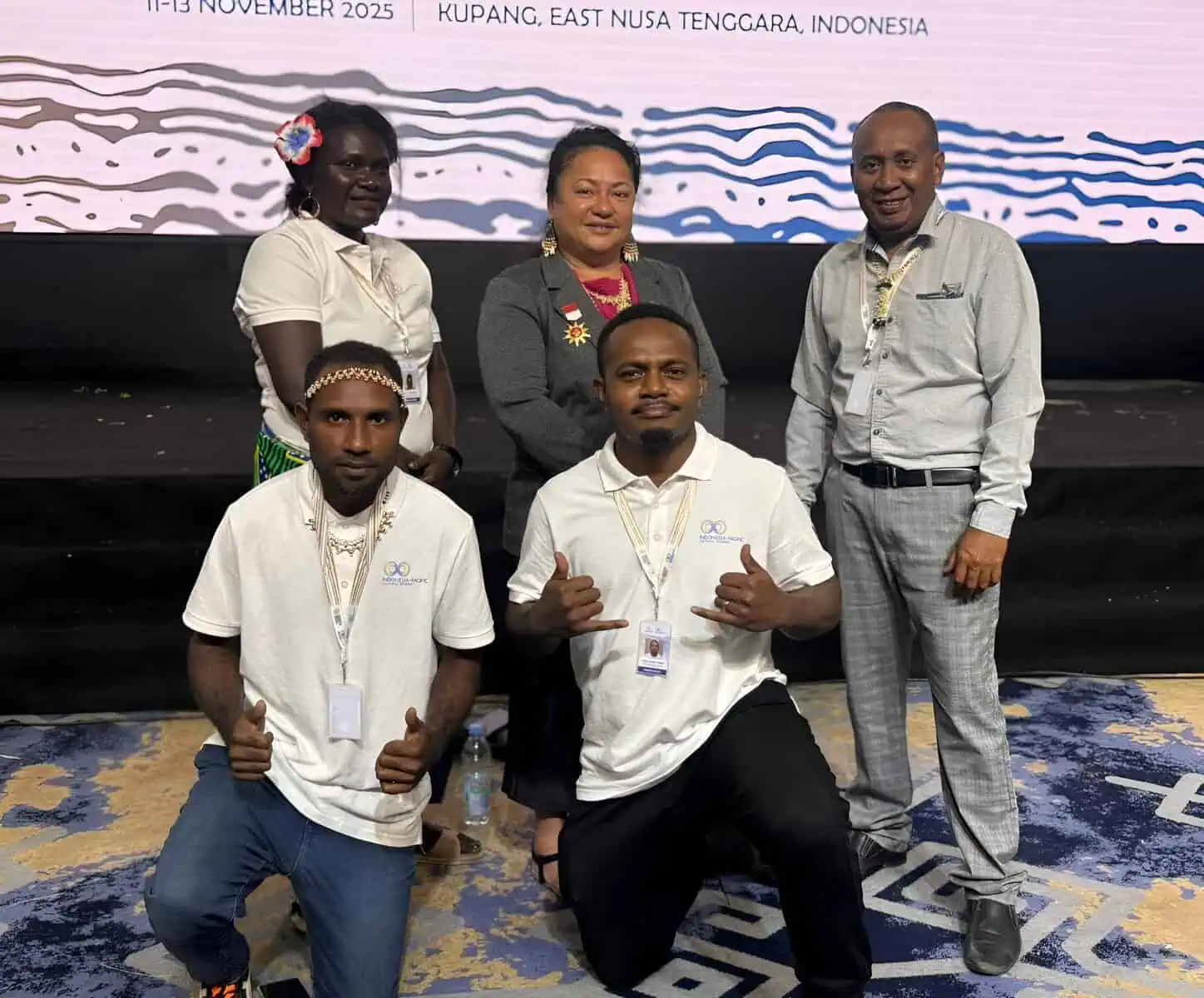
FOR the Solomon Islands, the Indonesia–Pacific Cultural Synergy (IPACS) 2025 was more than a forum – it was an inspiring convergence of culture, creativity, and regional partnership.
Minister for Tourism, Choylin Yim-Douglas, described the three-day event in Kupang as “rewarding, informative, inspiring, and wonderfully entertaining,” with memories of lively performances and even a night of dancing that participants will not soon forget.
“From the Solomon Islands, our biggest takeaway is the great potential of a creative economy and the pivotal role of cultural diplomacy in fostering growth, innovation, and stronger cultural industries across our region,” Yim-Douglas said.
The minister stressed that collaboration must be guided by respect and careful consideration.
The Solomon Islands will review the proposed Joint Ministers’ Statement thoroughly before submitting it to Cabinet, ensuring that any commitments align with national priorities.
“Nevertheless, we are eager to move forward with further collaboration, building bridges between our Pacific communities and our brothers and sisters here in Indonesia,” she said.
Yim-Douglas also highlighted the invaluable contribution of the Indonesian government and people to the forum.
“Please convey our heartfelt gratitude for your hospitality and generosity, and for this enriching cultural exchange,” she said.
“Your efforts have strengthened the vibrant cultural sector and inspired us all.”
She paid tribute to fellow Pacific ministers and cultural leaders, acknowledging the friendship, laughter, and spirit of partnership shared over the past days. “I look forward to seeing you all in future engagements,” she concluded.
Throughout IPACS 2025, the Solomon Islands delegation participated in cultural exchanges, technical sessions, and bilateral discussions, exploring ways to expand the creative economy, enhance cultural industries, and strengthen regional ties.
The experience highlighted both the opportunities and responsibilities of cultural diplomacy in shaping a resilient, collaborative Pacific.


