THE United States’ Missile Defence Agency’s plan to build a 360–degree missile defence system on Guam will take its toll on the island’s shrinking limestone forests and pose danger to endemic plant and animal species listed as “threatened.”
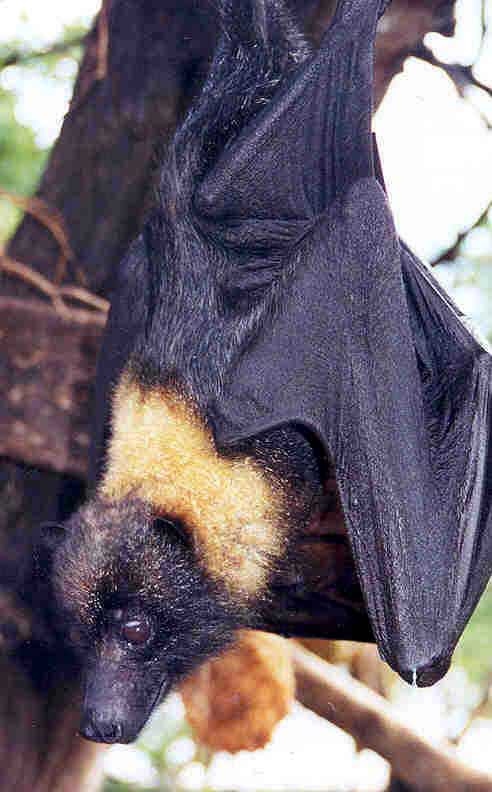
In a record of decision issued on September 9, the MDA noted that the project would have significant impacts on the federally protected Mariana fruit bat and the threatened plant Cycas Micronesia.
Of the proposed sites where the missile defence system will be built, eight will be at US Naval Base Guam, six will be at Andersen Air Force Base and two at Marine Corps Base Camp Blaz.
One of the most significant areas of environmental concern is the predicted loss of limestone forests, the habitat for native wildlife and Endangered Species Act–listed species. Native healers also harvest their medicinal plants from the forests. The deployment of the integrated air and missile defence system will necessitate bulldozing and levelling approximately 269 acres of limestone forests across nine sites in Guam, according to the plan’s environmental impact statement.
The MDA record of decision recognised that putting in place mitigation measures could ease the effects on these resources but impacts from the loss of limestone forests “would remain major, long-term and significant.”
About 5459 individuals of the federal ESA-listed threatened plant Cycas micronesica will be removed from five sites. The population of this endemic plant has already severely declined across Guam.
Guam’s limestone forests are also home to the threatened Mariana fruit bats live. Locally called fanihi, these bats are mainly found in Guam and Rota. The MDA’s project will result in the loss of about 235 acres of their foraging and roosting habitat.