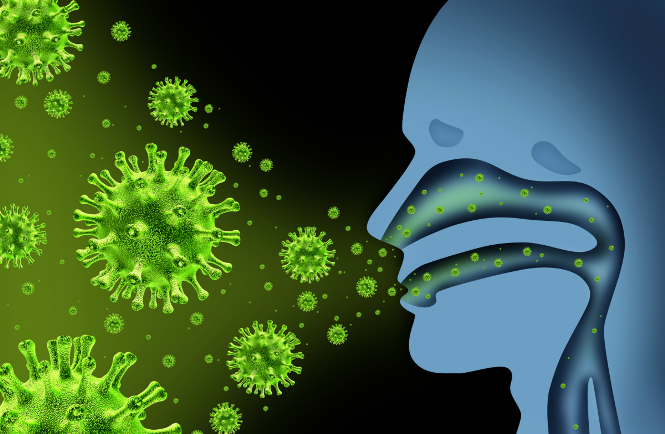
FIJI is reporting a marked rise in influenza-like illnesses and acute respiratory infections in the past three weeks, with laboratory testing confirming increased positivity for seasonal influenza, the Ministry of Health and Medical Services said.
“An increase in influenza like illnesses (ILI) and acute respiratory infections (ARI) is currently being observed across Fiji,” the Ministry said in a statement.
Recent surveillance data collected through the Early Warning Alert and Response Surveillance system show the rise, while testing at the National Public Health Laboratory confirms increased seasonal influenza activity.
The rise has occurred earlier in the year than the influenza wave Fiji experienced in the same period last year, the Ministry said, mirroring early-season increases in New Zealand, Australia and elsewhere in the Pacific.
“Fiji’s current influenza trends are consistent with the wider regional and global picture,” the Ministry said, with elevated influenza activity also being reported across parts of the Southern Hemisphere and Asia.
The Ministry has enhanced influenza surveillance and laboratory testing through the Fiji Centre for Disease Control and the National Public Health Laboratory to track circulating strains.
It has also alerted all Divisional and Sub Divisional Health Teams to monitor respiratory infection trends and reinforce infection prevention measures in health facilities, while continuing to monitor the regional and global respiratory illness situation alongside in-country notifications.
Influenza is caused by viruses, with many strains changing year to year. Symptoms can include fever, cough, sore throat, muscle and body aches, headache, fatigue, runny nose, sneezing, vomiting and diarrhoea, which is more common in children.
The Ministry said influenza is not the same as the common cold and can lead to serious disease such as pneumonia, especially in babies, people over age 60, pregnant women, people with non-communicable diseases, the obese and those who smoke.
Stay safe and seek help
Most people recover in about seven to 10 days, but some may develop illness requiring hospitalisation.
People are advised to cover their mouth and nose when coughing or sneezing while ill, wash their hands frequently with soap and water or use an alcohol-based hand sanitiser, avoid crowds where possible and stay home if sick.
People who are sick should use a face mask in public, while anyone wanting extra precaution may wear a mask covering the mouth and nose in crowded or enclosed public places and when visiting health facilities.
The Ministry advised people to seek medical care immediately for difficulty breathing or shortness of breath, pain or heaviness in the chest, inability to stay awake or confusion, or any other symptom of concern such as severe vomiting.
For children with cold and flu symptoms, the Ministry advised keeping them hydrated, encouraging rest and dressing them lightly during fever.
It said dehydration can be very serious in babies, especially those under three months old, and advised going immediately to the nearest health centre or doctor if dehydration is suspected.
Signs of dehydration may include no tears when crying, dry lips, a sunken soft spot on the head, decreased activity and urinating less than three to four times in 24 hours. Breastfed babies should be breastfed more frequently than usual, the Ministry said. Medical care should be sought immediately if a child has a fever greater than 38°C for more than two days, a fever of 40°C or higher for any amount of time, a fever of 38°C or higher while under three months old, a fever that does not improve after Panadol, unusual drowsiness or lethargy, refuses to eat or drink, or is wheezing or short of breath.