 2024 – 2026
 2020 – 2023
 2017 – 2019
 Catalogue
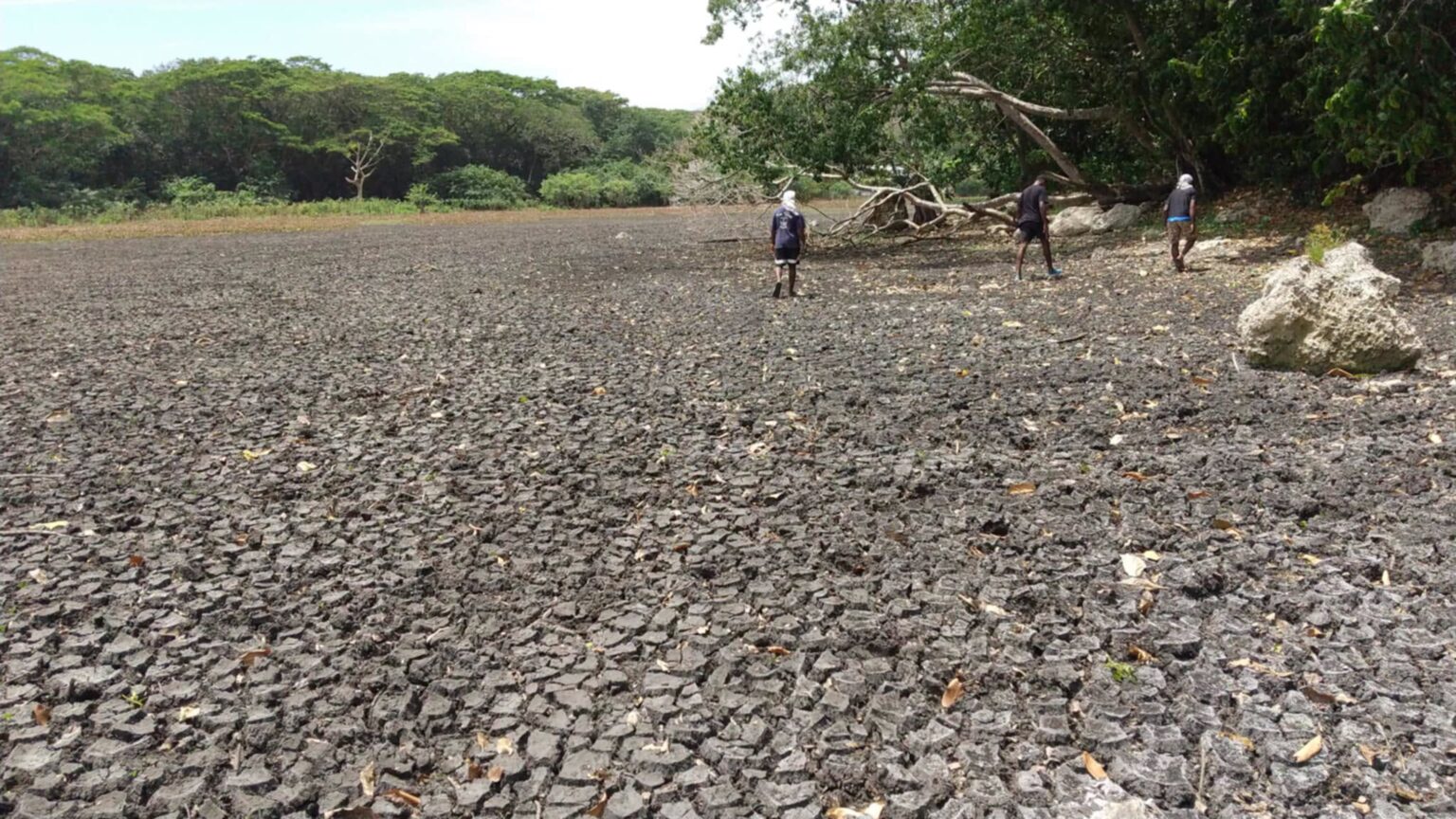
WITH below-normal rainfall expected into early 2027, Fiji’s disaster response is shifting from emergency water deliveries to a broader effort to protect health, power, agriculture and household supplies.
Ninety-two communities in Fiji have no water supply, while hundreds more are reporting critical or near-critical water levels as the country confronts an El Niño drought that could outlast the climate event’s peak.
Across 733 communities assessed by the National Disaster Risk Management Office, 372 have critical water levels, and 244 are approaching critical levels. Separately, the Water Authority of Fiji reports that 61.36 per cent of monitored water sources have reached critical levels.
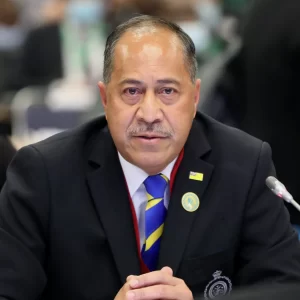
“Below-normal rainfall is likely to persist into early 2027,” said Mitieli Cama, Permanent Secretary for Rural and Maritime Development and National Disaster Risk Management. Even if rainfall returns to normal, he said, “the recovery of our dams, rivers, groundwater sources and other water systems may take additional time.”
The government declared a National State of Disaster on 18 November as drought conditions worsened. The Fiji Meteorological Service says El Niño remains strong, with peak conditions expected around November and December 2026.
The National Emergency Committee has backed a proposal for schools to finish activities by Friday, 27 November, and remain closed the following week.
Sporting activities, competitions, tournaments and other school events are also to be cancelled during the closure period. The stated aim is to ease demand on water supplies and redirect available water to communities and other priorities.
The briefing describes the school measure as a proposal supported by the committee; it does not say it has been formally implemented. Possible restrictions on car washing, commercial water use, social gatherings and sporting events are still being assessed.
Authorities say emergency measures include water carting, activating boreholes, developing alternative water sources and treating water. Agencies are also prioritising supply to hospitals, health centres and schools, and strengthening storage and emergency supply arrangements.
The drought is also tightening pressure on electricity and agriculture. Energy Fiji Limited reports declining hydropower reserves and is preparing additional standby generation where required. Six drought-response initiatives have been identified for water access, irrigation, agricultural livelihoods and recovery.
The government warns the effects reach beyond drinking-water access, with implications for food security, household income, agricultural production and the wider economy. Health agencies are strengthening disease surveillance and promoting safe water, sanitation and hygiene to prevent water-related diseases.
Cama urged households and businesses to conserve water and prioritise it “for drinking, cooking and essential hygiene.”
He also called on people to report serious shortages, follow official advisories, avoid activities that could trigger grass or bushfires, and look out for vulnerable community members.
“Every effort to conserve water makes a difference”.