 2024 – 2026
 2020 – 2023
 2017 – 2019
 Catalogue
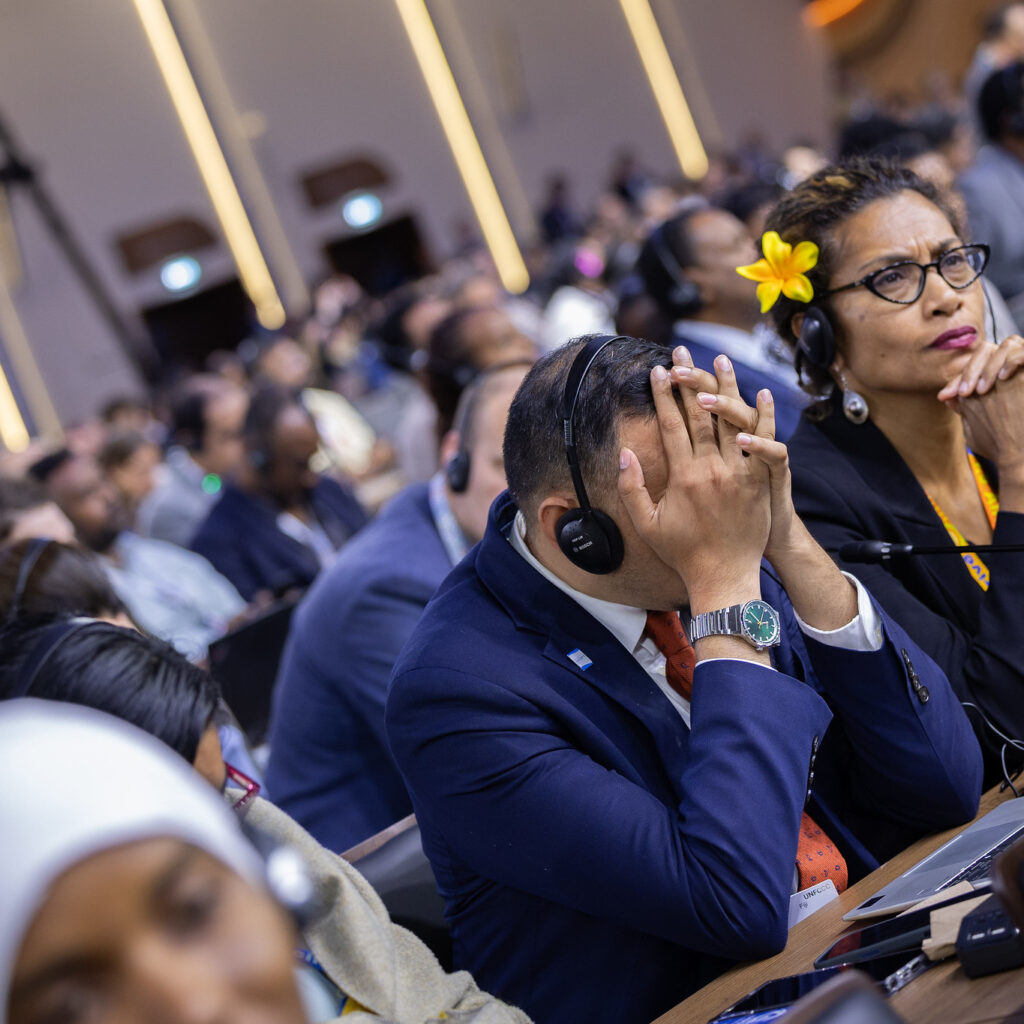
THE failure by countries to reach agreement on an outcome document at COP31 has weakened efforts to strengthen ocean protection and include ocean-related actions in global climate commitments.
Disagreements over fossil fuels, climate finance and other major issues prevented negotiators from reaching consensus, leaving important ocean-related commitments unresolved.
The outcome came despite COP31 being promoted as a Blue COP, with expectations that the conference would give greater recognition to the ocean’s role in addressing climate change.
Proposals to include ocean-related commitments in earlier negotiating drafts faced opposition, despite efforts by a group of countries led by Fiji to secure a separate decision on ocean-climate action.
Fiji’s Permanent Secretary for Environment and Climate Change, Sivendra Michael, made a final appeal for countries to preserve the progress made during the negotiations.
“We need action now. Let us find a way to preserve that significant progress we have collectively made and to leave behind a blue legacy,” Michael said.
Ocean Conservancy vice president for climate, Dr Fatima Candace Vahlsing, said the failure to reach an agreement was a major disappointment and a setback for efforts to address climate change through ocean protection.
She said the removal of strong ocean commitments from the proposed climate agreement threatened progress in protecting marine ecosystems, coastal communities and the global climate.
“Despite lofty promises of a Blue COP, international negotiators in Antalya this week rejected the wisdom of countless ocean scientists, experts and coastal communities about the importance of the ocean for our climate,” Vahlsing said.
She said the failure to secure commitments on ocean protection undermined efforts to tackle climate change and safeguard communities most vulnerable to its impacts.
Vahlsing said the outcome also exposed the gap between countries’ climate commitments and their willingness to take stronger action on fossil fuels and ocean protection.
“You cannot credibly claim to be tackling climate change while backing away from action on the ocean and fossil fuels,” she said.
Without a final agreement, unresolved issues, including ocean-related commitments, will be carried forward into negotiations next year.
The outcome is a concern for Pacific Island countries, which have long called for stronger recognition of the connection between ocean health and climate change.
For Pacific communities, ocean protection is essential to climate resilience, food security, economic development and the survival of coastal communities that depend heavily on marine resources.