
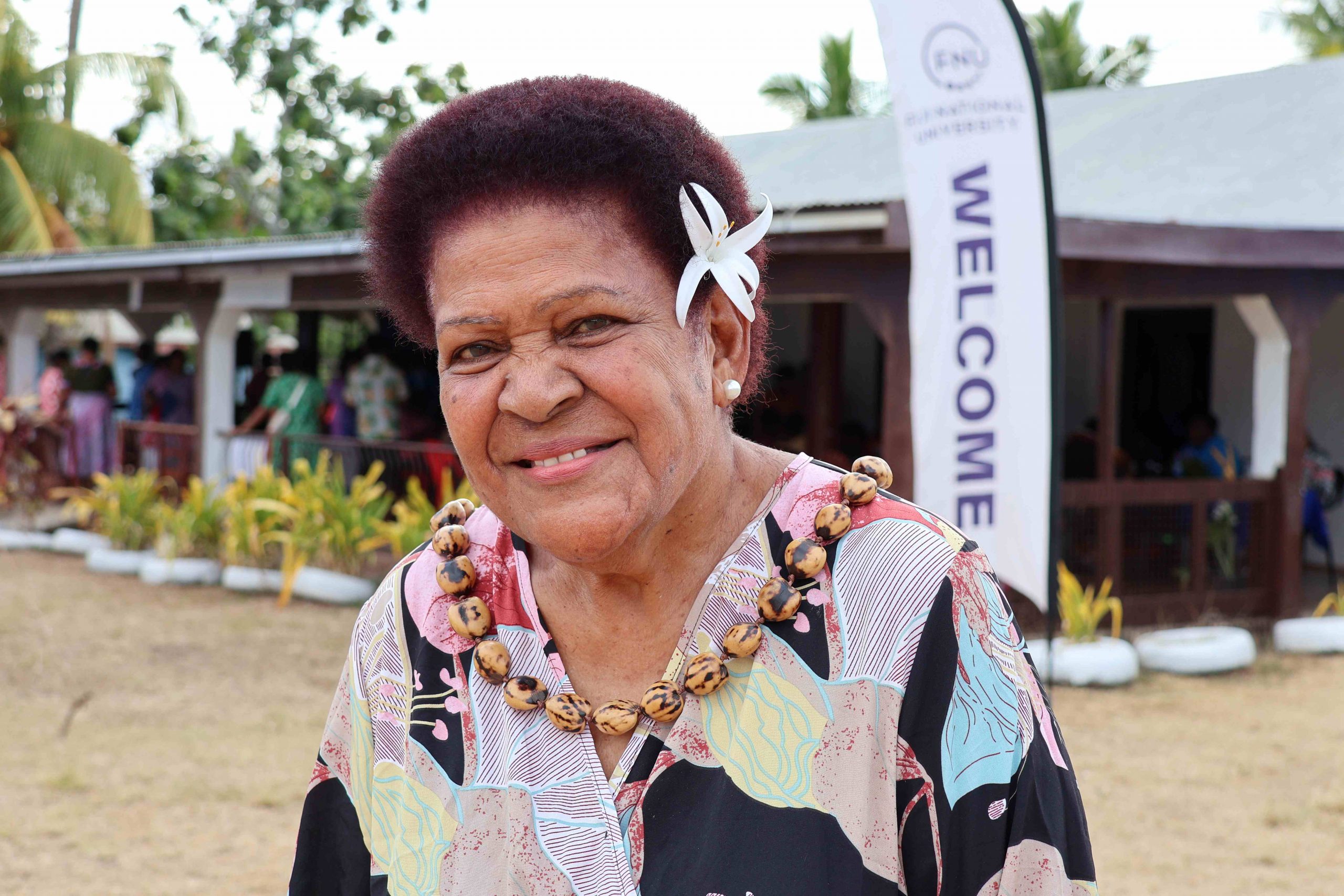
At 73, Bulou Mere Vakasowaqa could have easily decided that her days of learning something new were behind her. Instead, she chose to take on a new challenge, proving that age is no barrier to gaining knowledge, building skills and discovering new possibilities.
She was among 106 graduates from the districts of Bulu and Nailaga who recently celebrated the successful completion of a two-week skills-based training programme at Sorokoba village in Ba.
For Ms Vakasowaqa, the opportunity to enrol in the Fundamentals of Food and Beverage course came from something she already enjoyed doing, and they are preparing food and drinks for village, church and community functions. But she wanted to learn more and improve her skills.
“I like to prepare food and juice at functions, so with this training, I learnt a lot of new things on how to prepare food for events that happen in the village and in church. I hope that we take back all these knowledge and skills with us wherever we go,” she said.
Her experience captures the spirit of the Rural, Remote and Maritime Training Community-Based Non-Formal Education Programme, delivered by the Fiji National University’s (FNU) National Training and Productivity Centre (NTPC), through its Division of Regional and Global TVET under the Department of Community-Based Non-Formal Education.
The programme brings training directly into communities, creating opportunities for school leavers, those who have dropped out of school and other individuals who may not have had the chance to pursue further education. It gives them the opportunity to gain practical skills and formal certification without having to leave their communities.
The 106 graduates completed training in four areas, and they are 44 in Fundamentals of Food and Beverage, 26 in Screen Printing, 18 in Domestic Electrical Installation and 18 in Sanitary Plumbing.
For the graduates, the certificates represent more than the completion of a two-week course. They represent new knowledge, confidence and the chance to do more for themselves, their families and their communities.
The Chief Guest and Roko Tui Ba, Mr Iliesa Delasau, described the graduation as a proud and happy occasion for the Vanua of Ba, highlighting the opportunities the training had created for the graduates and their families.
“Our people in rural, remote and maritime communities deserve the same opportunities to learn, grow and contribute to the development of our nation, and for that we are grateful to the FNU and NTPC, for bringing these opportunities directly to our communities.”
“The University’s commitment to taking training to the communities, bringing education closer to our people, demonstrates that meaningful development begins when opportunities are made accessible to everyone, regardless of where they live,” he said.
Mr Delasau encouraged the graduates to make the most of what they had learnt, put their new skills into practice and use them to support their families and contribute to their communities.
Among those celebrating were three close friends, Orisi Lagivala, Jona Nabaro and Ilaisa Nalowata, who successfully completed the Domestic Electrical Installation training together.
They were grateful that FNU had brought the opportunity to their doorstep, allowing them to gain practical skills without having to travel away from their community.
“We are grateful to FNU for bringing this opportunity closer to us and we now look forward to what is ahead of us,” said Jona.
The Manager for the Department of Community-Based Non-Formal Education, Mr Setareki Valenitabua, said the programme was driven by a simple but important commitment and that is ensuring that no Fijian was left behind.
“We believe that every Fijian, regardless of where they live, deserves the opportunity to gain practical skills that improve livelihoods, strengthen families and contribute to the development of their communities,” he said.
From a 73-year-old woman determined to keep learning, to friends taking their first steps towards new skills in electrical installation, the graduation was a celebration of what becomes possible when people are given the opportunity to learn.
For these 106 graduates, the training may have lasted just two weeks, but the knowledge, confidence and opportunities they take home could make a difference for years to come.
Their stories remind us that learning has no age limit, talent exists in every community, and opportunity should never be determined by where a person lives.
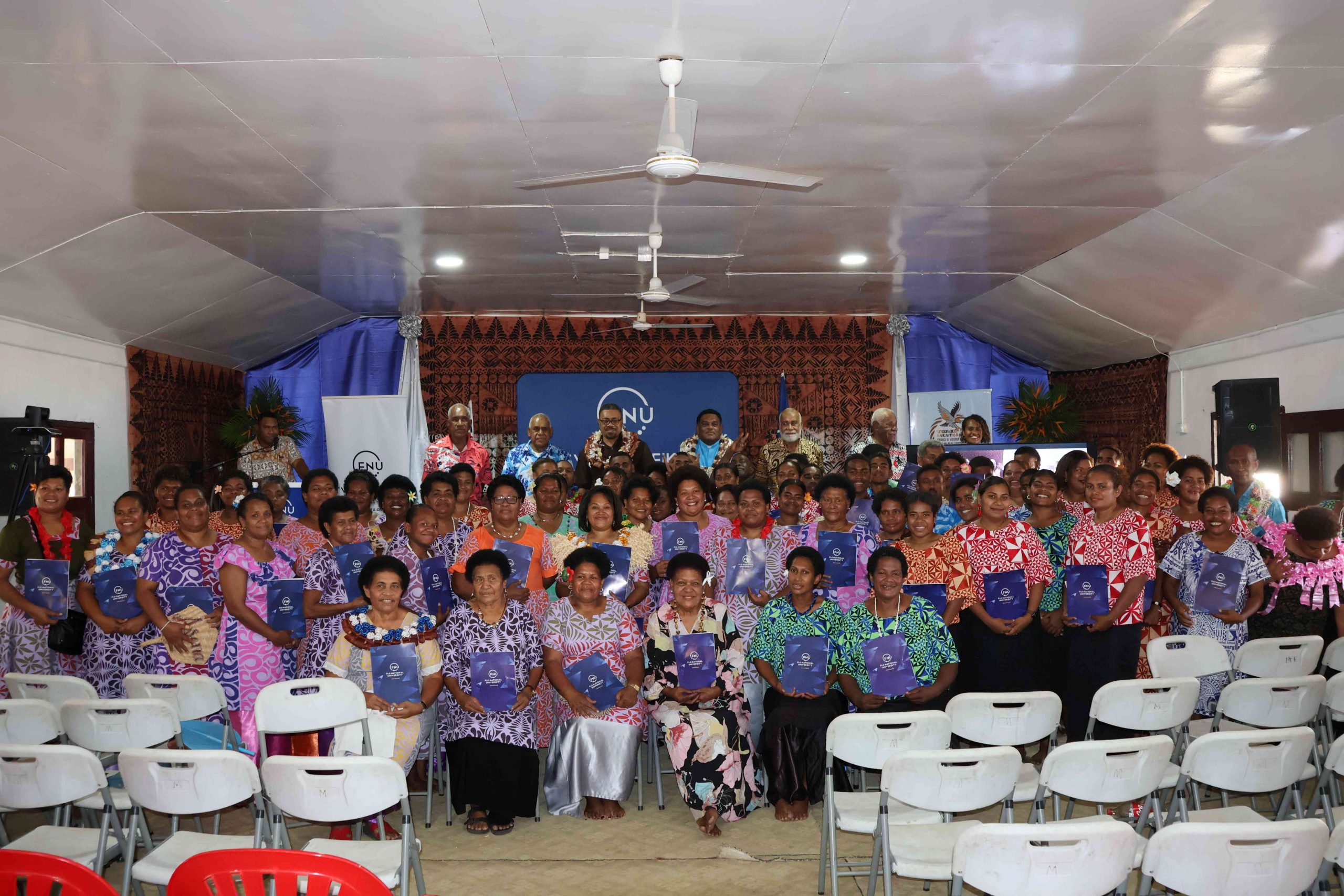
Graduates of the Rural, Remote and Maritime Training Community-Based Non-Formal Education Programme with the Chief Guest other guests

