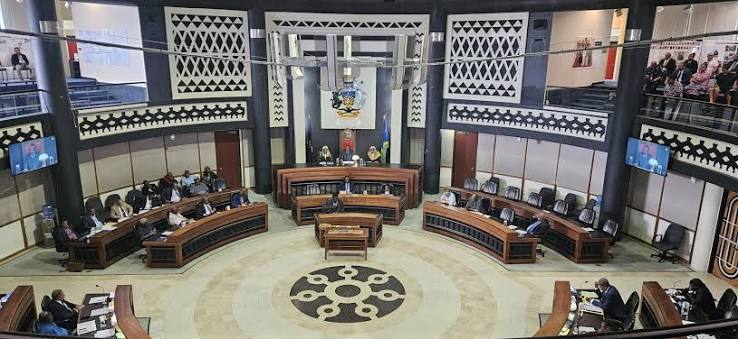
THE Solomon Islands government is proposing constitutional reforms to address political instability, strengthen parliamentary governance and protect the independence of key institutions.
The great Coalition government says the proposed changes seek to address longstanding weaknesses in the country’s political system, including unstable coalitions, party defections, repeated motions of no confidence and short parliamentary terms.
In a statement, the government said the reforms translate commitments outlined in its GREAT Coalition Statement of Policies, released in July 2026, and its Policy Translation and Implementation Framework into proposed constitutional amendments.
The package focuses on six areas: the use of motions of no confidence, political party integrity and anti-defection measures, government formation, parliamentary term stability, institutional independence and recognition of Solomon Islands’ Christian identity.
It also proposes safeguards for parliament and the Judiciary and support for the Opposition front bench.
The government said the reforms are intended to provide greater continuity in government policies and development programmes while strengthening accountability among elected representatives.
“A more predictable political environment could allow governments to focus more consistently on delivering public services and improving the lives of citizens,” the statement said.
However, the government said political stability must not come at the expense of democratic accountability and parliamentary oversight.
It said parliamentary scrutiny, institutional independence and the public’s ability to hold elected leaders accountable must remain central to the proposed changes.
The amendments will require legislative preparation and parliamentary support before they can proceed.
Under Section 61 of the Constitution, four of the proposed amendments require a three-quarters majority, or 38 of the 50 Members of Parliament.
The remaining amendments require a two-thirds majority, or 34 MPs.
The government said the reforms are intended to strengthen democratic institutions, reduce recurring political disruptions and allow greater focus on national priorities and sustainable development.
The proposals will require broad parliamentary support before they can become law.
SOURCE: PACNEWS