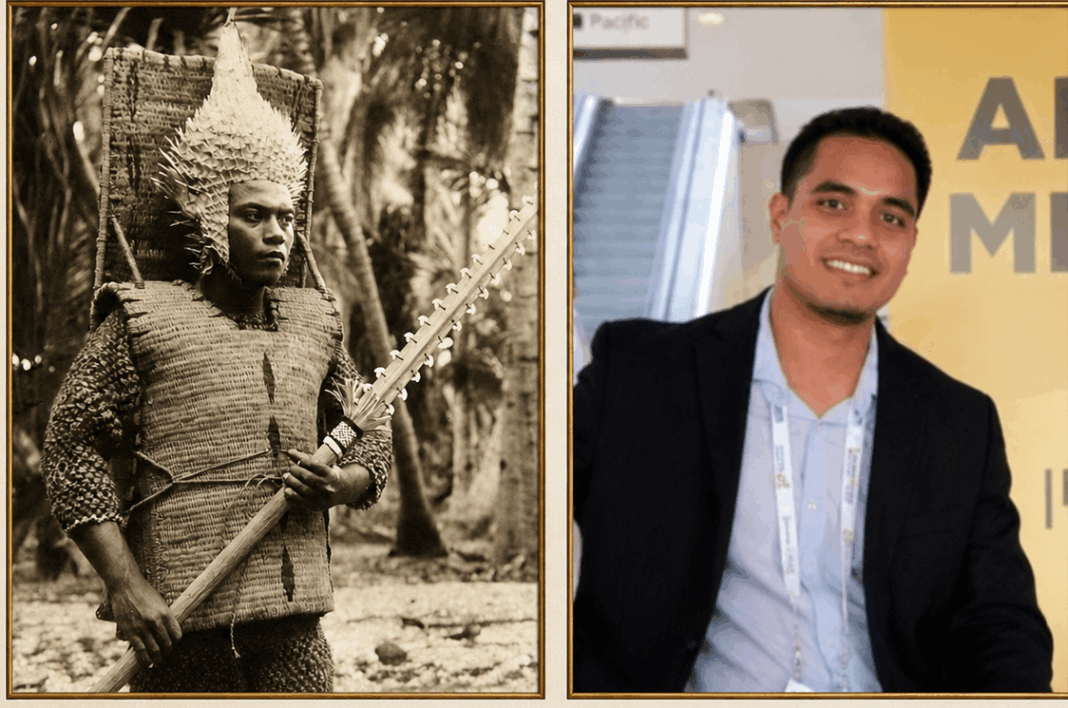
AN I-Kiribati researcher has called for a national discussion on whether Kiribati should return to its ancestral name, Tungaru.
University of Cincinnati researcher Dr Amota Ataneka believes the issue is linked to identity, history and decolonisation.
Ataneka told local broadcaster, BPA, the name Kiribati was derived from the colonial-era name Gilbert Islands, which was named after British sea captain Thomas Gilbert. He argues that Tungaru is more closely connected to I-Kiribati history, culture and identity.
However, there is also a view that Kiribati should not reclaim the name Tungaru. For some people, Kiribati represents the country’s history and journey to independence, achieved after I-Kiribati ancestors fought against colonial rule.
From this perspective, changing the country’s name could be seen as altering a name that has become part of Kiribati’s national history.
An old saying, “When it’s done, it’s done,” reflects the view that something that has been completed and is working should be left as it is.
The debate is not simply about a name, but also about how I-Kiribati people understand their history, identity and independence.
Dr Ataneka has called for Members of Parliament to begin a formal discussion in the Maneaba ni Maungatabu. He also recommended seeking the views of elders, church leaders, historians, educators, youth groups and island councils before any decision is made.
The debate over whether the country should be known as Tungaru or Kiribati also raises broader questions about independence, culture and identity in a post-colonial context.