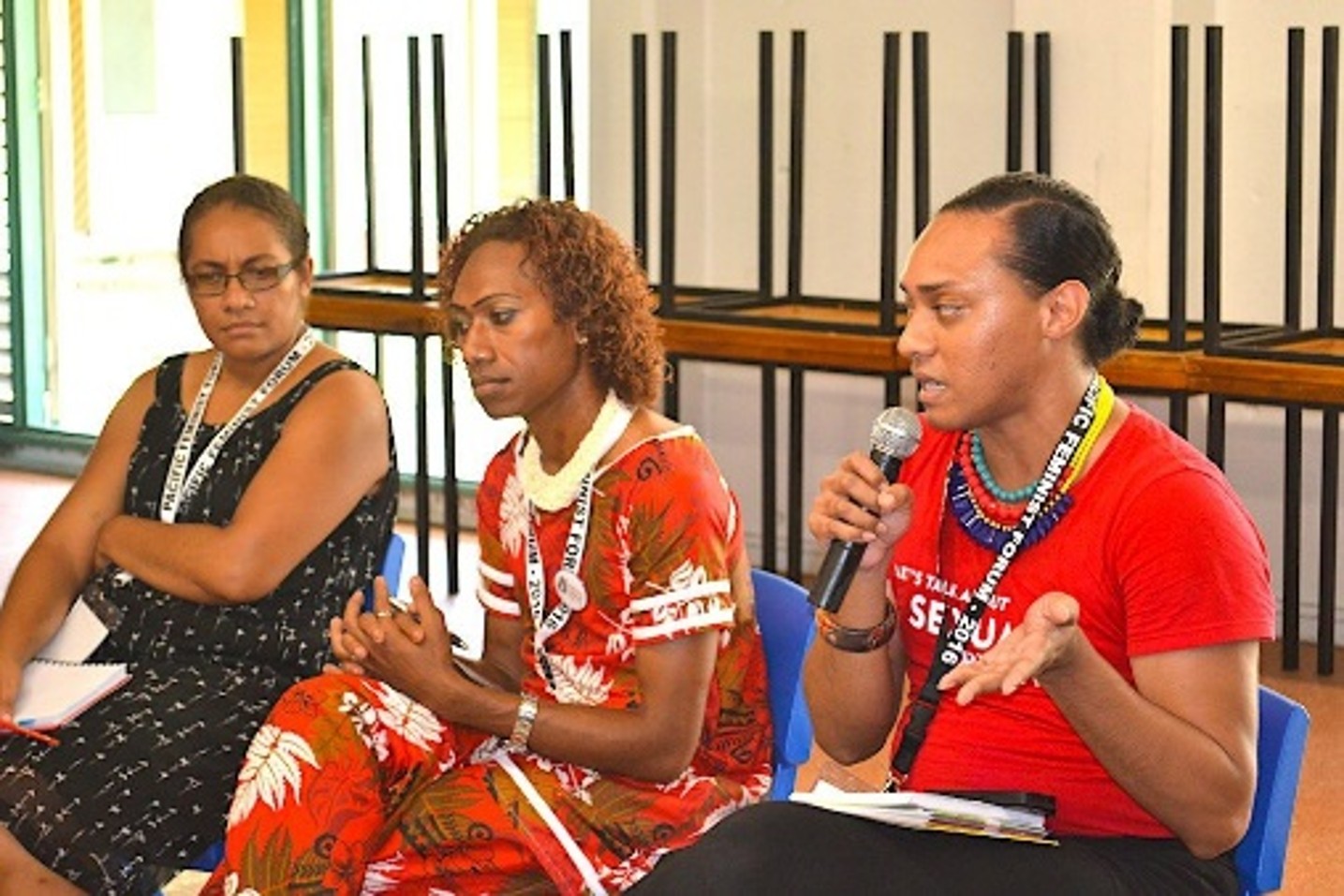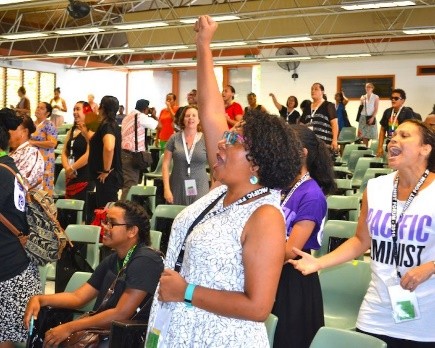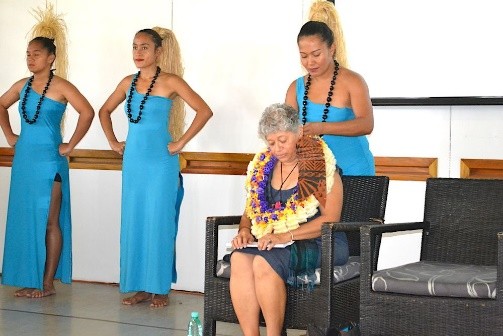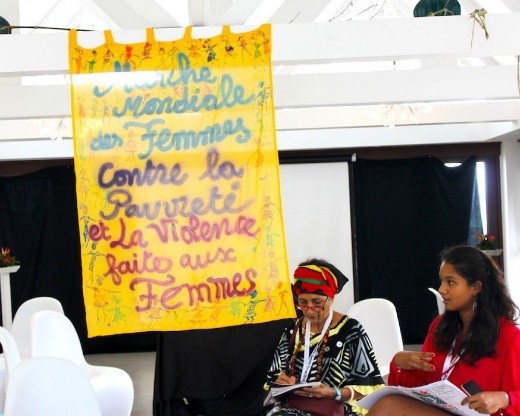
AHEAD of the 4th Pacific Feminist Forum, Islands Business speaks to the Regional Working Group about the issues shaping feminist movements across the region, the growing influence of young leaders, and what is needed to strengthen Pacific women’s voices in decision-making and regional policy.
The 4th Pacific Feminist Forum is bringing together women’s rights and feminist movements from across the region. What is the main purpose of this year’s Forum, and why is it particularly important at this time?
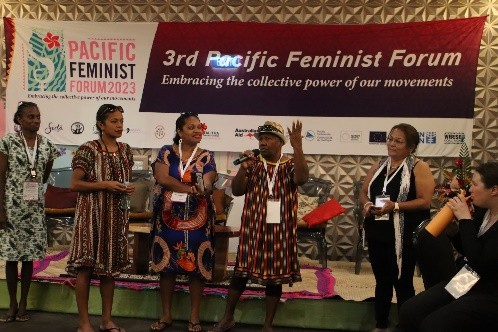
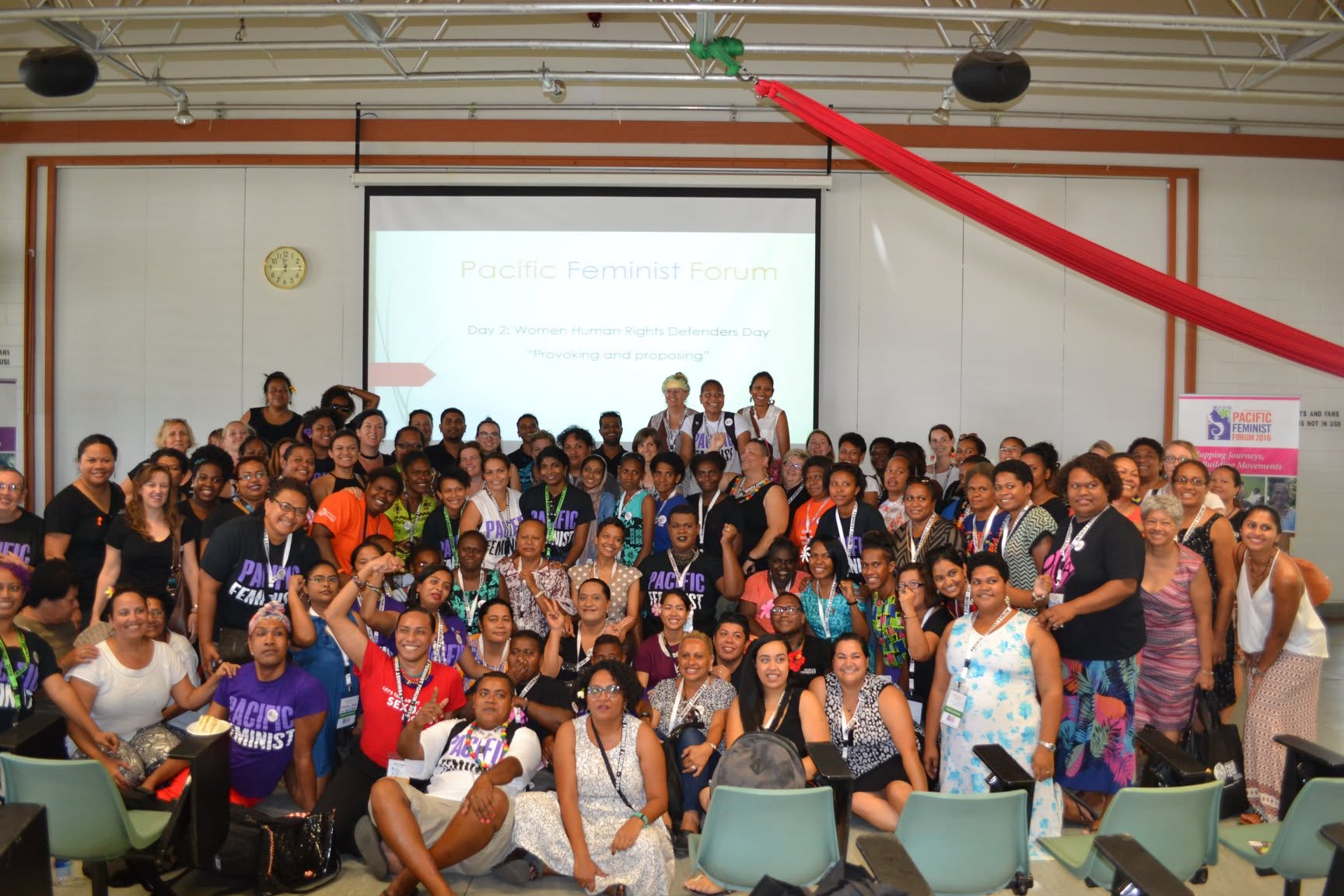
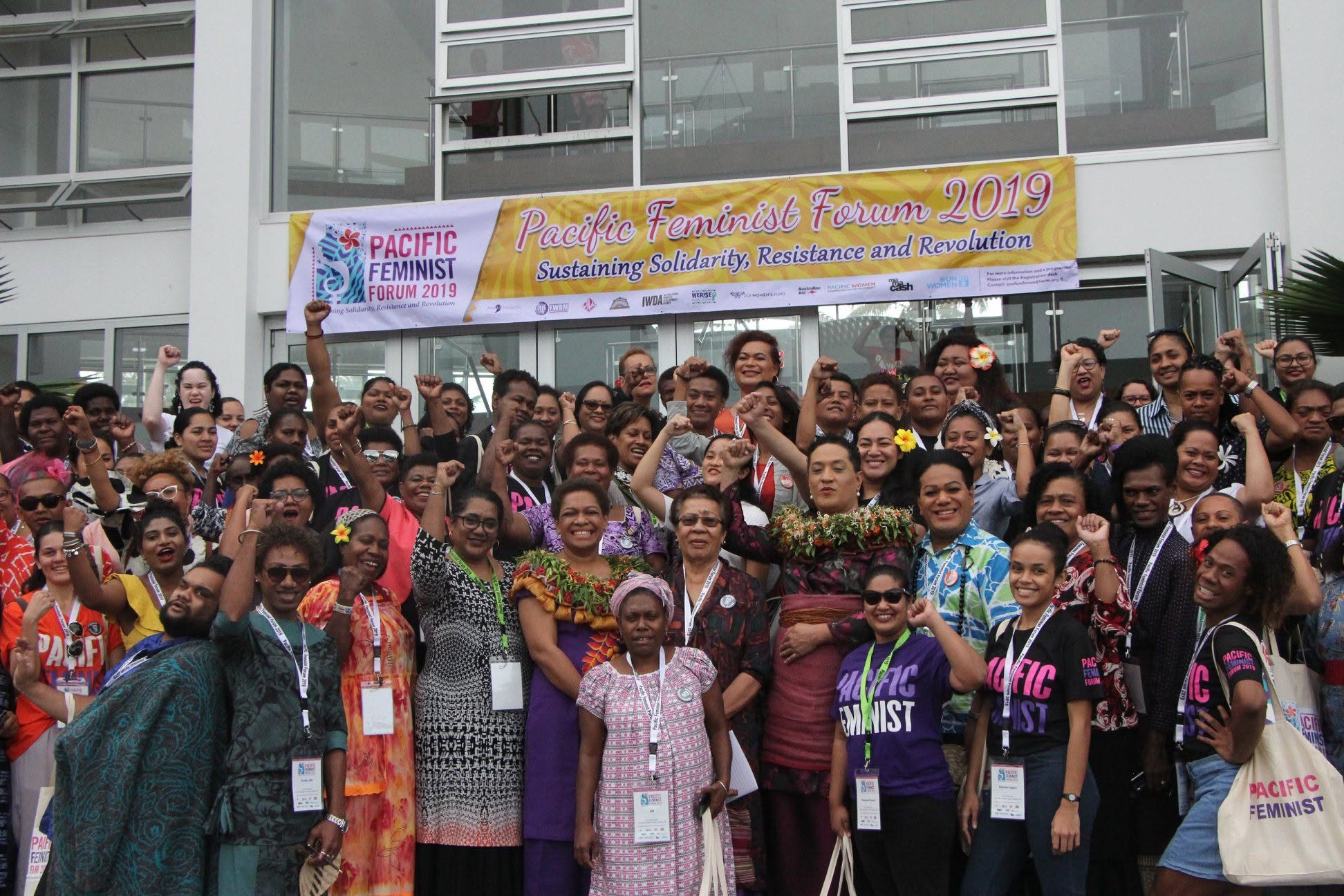
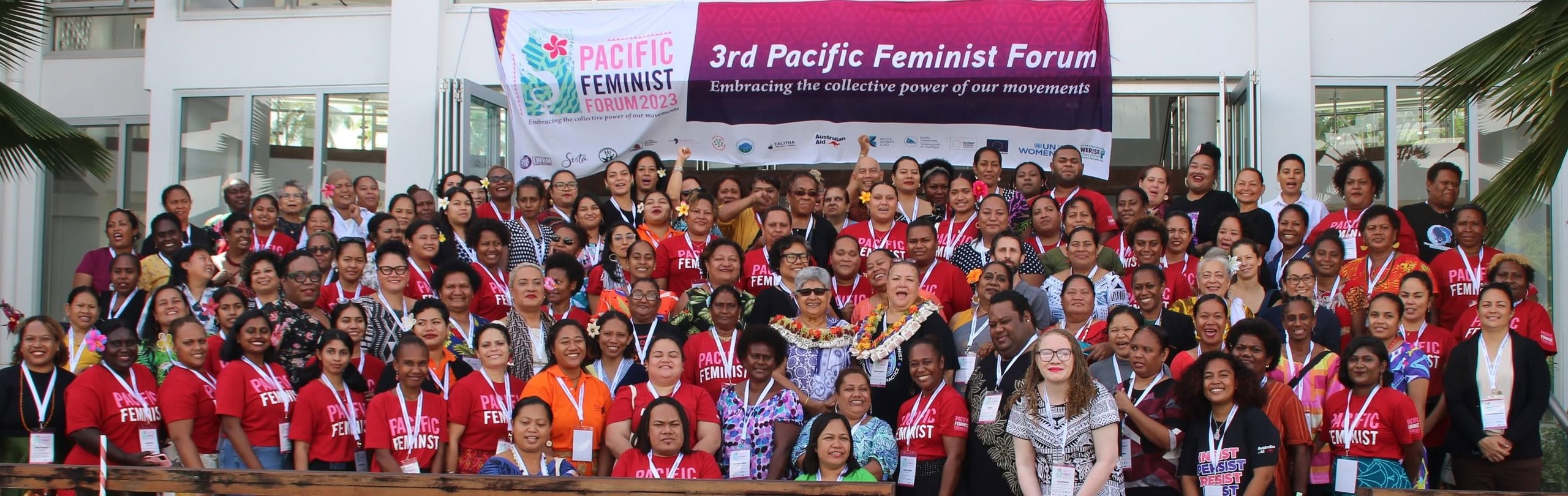
The 4th Pacific Feminist Forum (PFF), including the three previous PFFs, have been organised to bring Pacific feminists, activists, women’s rights defenders, youths, persons with disabilities, sex workers, LBTI, PIDSOGIESC people (including our indigenous gender and sexually diverse communities such as MVPFAFF+), people living with HIV, faith leaders, movement accomplices and allies together to strengthen our collective voice, solidarity and action. The Forum gives us our own space to reflect and acknowledge our lived experiences and the struggles that have shaped our movement, and collectively strategise on actions that need to be implemented to address our issues.
The 4th PFF is particularly important at this time because the challenges facing Pacific women are becoming increasingly interconnected and complex. Pacific women are living through a time of polycrisis and climate emergencies, growing economic inequalities, continuing violence against women and girls, shrinking civic space, attacks and roll back on human rights and democratic values, and persistent barriers to women’s leadership and decision-making.
Pacific feminist movements are fierce and come with grassroots, feminist, women and indigenous knowledge and expertise and as active local and national leaders working for transformative change. The 4th PFF is the opportunity for Pacific women to respond to regional and global agendas, and actively shape them.
1. What are the key issues and priorities you expect to come through during the Forum?
The interlinkages of climate justice, gender-based violence, sexual and reproductive health and rights, women’s political participation and leadership to social justice, economic justice, human rights, peace and security, and the rights and visibility of marginalised communities to be important priorities including the work around HIV/AIDS in the region, decolonisation, identity, Indigenous knowledge and Pacific self-determination. These are fundamental to how we understand feminism in our own contexts.
2. Pacific women and feminist organisations are working across issues including climate change, gender equality, economic justice, health, human rights and peace and security. Which of these issues are most urgent for Pacific women today, and why?
All these issues are interconnected and interlinked and cannot continue to be siloed as business as usual. We cannot place importance on one over the other.
Climate change is an immediate and existential issue for Pacific Small Island states and territories. It affects every fabric of society including where and how people live, income generation and economic security, food and water security, and the future of our islands. But it is women who often experience these impacts differently and can carry a disproportionate burden of unpaid care, domestic and communal responsibilities in communities, an inequality heavily magnified for women and gender-diverse people living with disabilities.
Gender-based violence is a pervasive issue in the heavily patriarchal Pacific community. We cannot talk about holistic development, leadership, equity or equality while women and girls continue to experience exacerbated violence and discrimination.
Economic justice is also fundamental. Women’s unpaid care, domestic and communal work, unequal access to resources and economic opportunities, and the vulnerability of many women to poverty all affect their socio-economic justice and ability to participate fully and equally in society.
Underlying all of this is patriarchy. Who has all the power to make decisions, whose knowledge is valued, and whose voices are missing? True regional justice means tackling how patriarchy polices bodily autonomy and criminalizes LGBTQI+ bodies.
That is why feminist organising, strategies and spaces remain so important. It challenges the systems and structures that reproduce these multi-layers of inequalities.
3. What role do you see young women and emerging feminist leaders playing in shaping the future of the Pacific feminist movement?
Young feminists bring new ways of organising and mobilising particularly with modern technologies and using digital platforms for creative expression, storytelling, mobilising, and organising new forms of advocacy to reach audiences that traditional movements sometimes struggle to reach.
Emerging feminist leaders challenge us to think about inclusion, intersectionality, identity, AI technology and the kinds of futures we are creating.
Our responsibility as older or established movements is to share knowledge, mentor, provide accompaniment and also make space to listen.
Pacific intergenerational leadership is vital for the feminist movement. We need generations working alongside each other, learning from each other and building stronger movements together.
4. What would you like participants to take away from the Forum, and what practical outcomes or commitments do you hope will come from the discussions?
The 4th PFF is an opportunity for delegates to network, strategise and be clear on Pacific feminist priorities and understanding that while our contexts may be different, many of our struggles are shared. We want participants to leave with stronger relationships, fierce feminist politics and analysis, renewed courage and practical feminist strategies that they can take back to their own movements and communities.
We are excited to see concrete commitments around strengthening Pacific feminist movements, supporting young feminist leadership, increasing women’s participation in decision-making, advancing social, economic, ecological and climate justice, ensuring the safety and visibility of the diverse human rights defenders including sex workers and disabled advocates who face criminalisation and structural neglect and strengthening regional advocacy.
5. Looking beyond the Forum, what do you believe needs to change at regional and national levels to ensure Pacific women’s voices are reflected in decision-making and policy?
Women’s participation in decision-making needs to be meaningful, diverse and adequately supported, which means stronger strategies of addressing the structural, cultural and financial barriers and systems that prevent women from entering and remaining in leadership.
We also need stronger accountability. Governments and institutions need to listen to women and feminist organisations not only when policies are being developed, but throughout the different stages, from implementation to evaluation.
Importantly, feminist and women’s rights organisations need sustainable resources to do this work. We cannot continually expect movements to respond to crises, advocate for communities and hold institutions accountable while operating with insecure and short-term conditional funding. This resource crisis is amplified for even much more marginalised communities such as grassroots LGBTQI+ groups who face legal barriers to even the simple acts of formal registration and banking.
At the regional level, we need stronger mechanisms for Pacific women to influence regional and global policy discussions. Our experiences should not simply be used as examples in international conversations but we should be at the table, shaping the decisions.
We are ready! We work to defend ourselves, other species and the living planet. Work with us!
The 4th PFF is organised by the Regional Working Group which comprises of the Fiji Women’s Rights Movement, Voice for Change – Jiwaka (PNG), SISTA (Vanuatu), femLINKpacific, Brown Girl Woke (Samoa), Diverse Voices Action (DIVA) for Equality Fiji, ILGA Oceania, FATULEI Association (Tuvalu), Pacific Disability Forum, and the International Women’s Development Agency (IWDA) in partnership with the Australian Government.
The 4th Pacific Feminist Forum is supported by the Australian Government through the We Rise Coalition, in partnership with IWDA, Pacific Women Lead at Pacific-Community-SPC, Women’s Fund Fiji, UN Women Pacific, UNFPA Pacific, and the Pacific Feminist Fund.