


Page 24 - IB August 2024
P. 24
Opinion


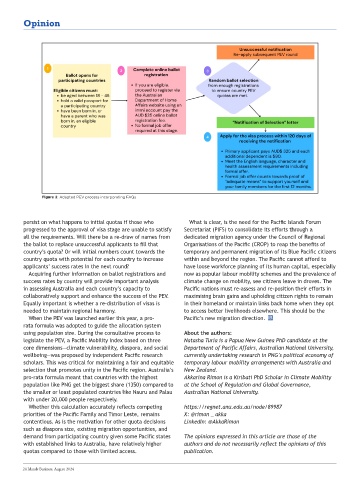
               Figure 2: Adapted PEV process incorporating FAQs
              Figure 2: Adapted PEV process incorporating FAQs

              After notification of selection, candidates proceed to Stage 4: Applying for the visa. This is
         persist on what happens to initial quotas if those who   What is clear, is the need for the Pacific Islands Forum
              where all requirements from health and character assessments, English language
         progressed to the approval of visa stage are unable to satisfy   Secretariat (PIFS) to consolidate its efforts through a
              proficiency and formal job offer is required. Included dependents must satisfy the visa
         all the requirements. Will there be a re-draw of names from   dedicated migration agency under the Council of Regional
              requirements and either the principal applicant or spouse can show proof of a formal job to
         the ballot to replace unsuccessful applicants to fill that   Organisations of the Pacific (CROP) to reap the benefits of
              qualify towards satisfying the 192 subclass visa requirements. There is no formal advice yet
         country’s quota? Or will initial numbers count towards the   temporary and permanent migration of its Blue Pacific citizens
              how long the selection of ballots will take before successful applicants are notified. As a
         country quota with potential for each country to increase   within and beyond the region. The Pacific cannot afford to
         applicants’ success rates in the next round?        have loose workforce planning of its human capital, especially
              reference point, another similar visa lottery, New Zealand’s 2024 Pacific Access Category
          Acquiring further information on ballot registrations and   now as popular labour mobility schemes and the prevalence of
              (PAC) scheme, opened in May, closed in June and notifications issued on August 2. It would
         success rates by country will provide important analysis   climate change on mobility, see citizens leave in droves. The
              be safe to predict a 1-2 months or slightly longer turnaround given there are more countries
         in assessing Australia and each country’s capacity to   Pacific nations must re-assess and re-position their efforts in
         collaboratively support and enhance the success of the PEV.   maximising brain gains and upholding citizen rights to remain
              in the PEV than the PAC.
         Equally important is whether a re-distribution of visas is   in their homeland or maintain links back home when they opt
              Beside uncertainty over ballot outcome dates, questions persist on what happens to initial
         needed to maintain regional harmony.                to access better livelihoods elsewhere. This should be the
              quotas if those who progressed to the approval of visa stage are unable to satisfy all the
          When the PEV was launched earlier this year, a pro-  Pacific’s new migration direction.
              requirements.  Will there be a re-draw of names from the ballot to replace unsuccessful
         rata formula was adopted to guide the allocation system
              applicants to fill that country’s quota? Or will initial numbers count towards the country
         using population size. During the consultative process to   About the authors:
         legislate the PEV, a Pacific Mobility Index based on three   Natasha Turia is a Papua New Guinea PhD candidate at the
              quota with potential for each country to increase applicants’ success rates in the next
         core dimensions—climate vulnerability, diaspora, and social   Department of Pacific Affairs, Australian National University,
              round?
         wellbeing—was proposed by independent Pacific research   currently undertaking research in PNG’s political economy of
              Acquiring further information on ballot registrations and success rates by country, will
         scholars. This was critical for maintaining a fair and equitable   temporary labour mobility arrangements with Australia and
              provide important analysis in assessing Australia and each country’s capacity to
         selection that promotes unity in the Pacific region. Australia’s   New Zealand.
              collaboratively support and enhance the success of the PEV. Equally important is whether a
         pro-rata formula meant that countries with the highest   Akkarina Rimon is a Kiribati PhD Scholar in Climate Mobility
         population like PNG get the biggest share (1350) compared to   at the School of Regulation and Global Governance,
              re-distribution of visas is needed to maintain regional harmony.
         the smaller or least populated countries like Nauru and Palau   Australian National University.
              When the PEV was launched earlier this year, a pro-rata formula was adopted to guide the
         with under 20,000 people respectively.
              allocation system using population size. During the consultative process to legislate the PEV,
          Whether this calculation accurately reflects competing   https://regnet.anu.edu.au/node/89987
              a Pacific Mobility Index based on three core dimensions: climate vulnerability, diaspora, and
         priorities of the Pacific Family and Timor Leste, remains   X: @rimon _ akka
              social wellbeing was proposed by independent Pacific research scholars. This was critical for
         contentious. As is the motivation for other quota decisions   LinkedIn: @AkkaRimon
         such as diaspora size, existing migration opportunities, and
              maintaining a fair and equitable selection that promotes unity in the Pacific region.
         demand from participating country given some Pacific states   The opinions expressed in this article are those of the
              Australia’s pro-rata formula meant that countries with the highest population like PNG get
         with established links to Australia, have relatively higher   authors and do not necessarily reflect the opinions of this
              the biggest share (1,350) compared to the smaller or least populated countries like Nauru
         quotas compared to those with limited access.       publication.
              and Palau with under 20,000 people respectively.
        24 Islands Business, August 2024
                                                                                                       3

