Along the Rewa River and across its low-lying delta communities, climate change is no longer a distant concern. Rising flood risks, coastal inundation, and changing environmental conditions are increasingly shaping everyday decisions, from what families plant to how villages prepare for disasters and manage natural resources. It is also influencing how knowledge about the land, rivers, and changing seasons is shared between generations.
For the past two years, the Adventist Development and Relief Agency (ADRA) Fiji has been working alongside communities in Rewa Province to strengthen their capacity to respond to these challenges, while recognising that some of the most effective solutions can be found in knowledge that has existed for generations.
This work is being delivered through the Sustainable Health, Agriculture, Protection and Empowerment – Climate Action for Resilience (SHAPE-CAR) Project, implemented in partnership with ADRA New Zealand and supported by the New Zealand Government through its Ministry of Foreign Affairs and Trade.
Since 2024, the first phase of SHAPE-CAR has brought together climate resilience, Indigenous knowledge, and community-led development. The project has progressed from integrated Indigenous indicator planning and cultural sensitisation to practical implementation across its target communities. Its work has been guided by Veiliutaki Qaqa, which focuses on governance and climate risk management, and Solesolevaki kei na Veilomani, which centres on reciprocal family climate actions.
The choice of Rewa as a project site is significant. The province’s river and delta system has long made flooding a reality for communities. Climate change is adding further pressure through more frequent extreme weather events, coastal inundation, and disruptions to agriculture, including the effects of saltwater intrusion on farmland.
Over its first two years, SHAPE-CAR has responded to these challenges by placing communities at the centre of planning and action, ensuring that resilience-building efforts reflect local priorities, knowledge, and experience. Eight Integrated Village Development Plans were reviewed and aligned with climate and disaster risk priorities, while communities developed integrated Climate Change Adaptation and Disaster Risk Reduction (CCA-DRR) plans through community validation processes.
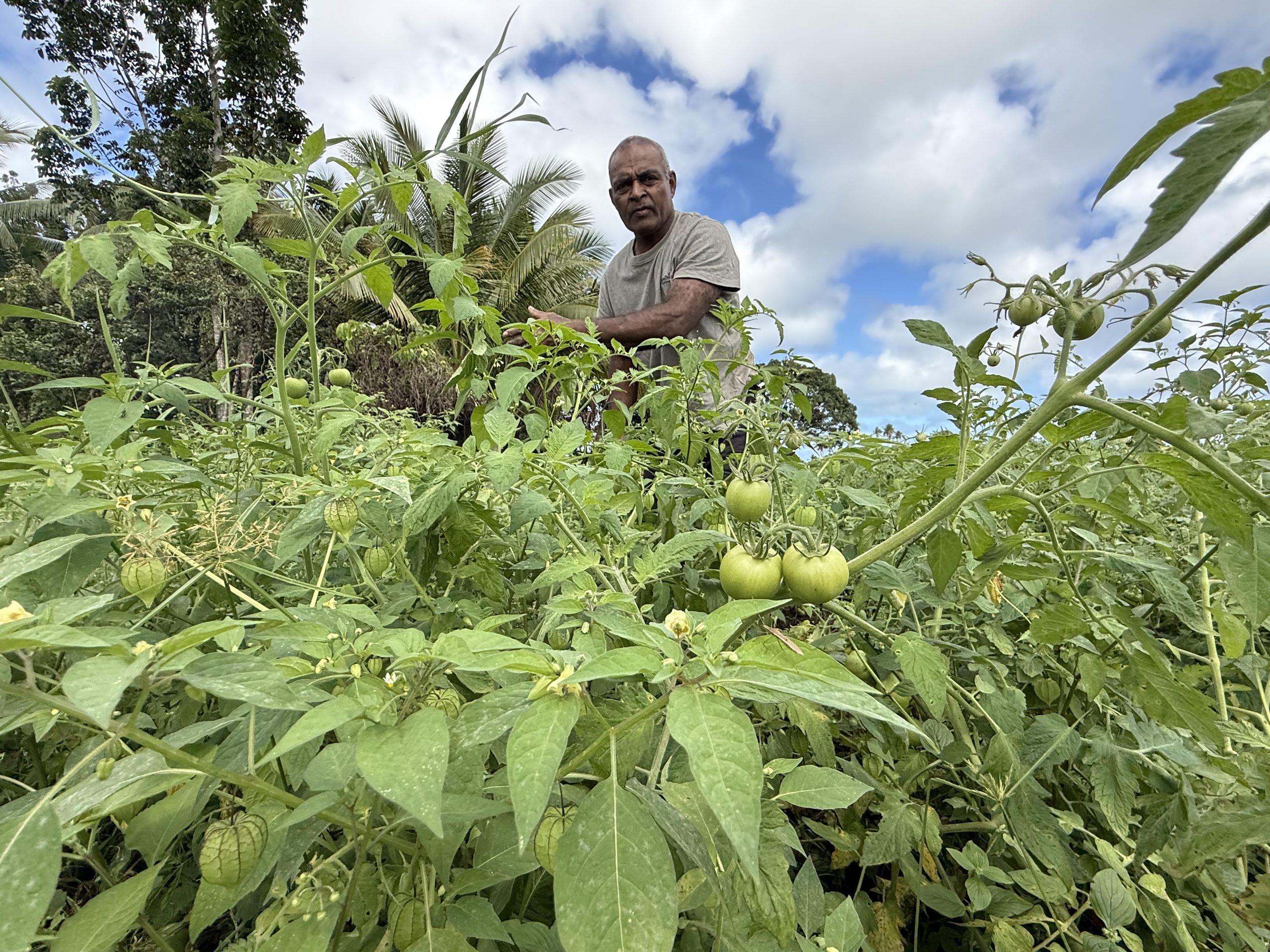
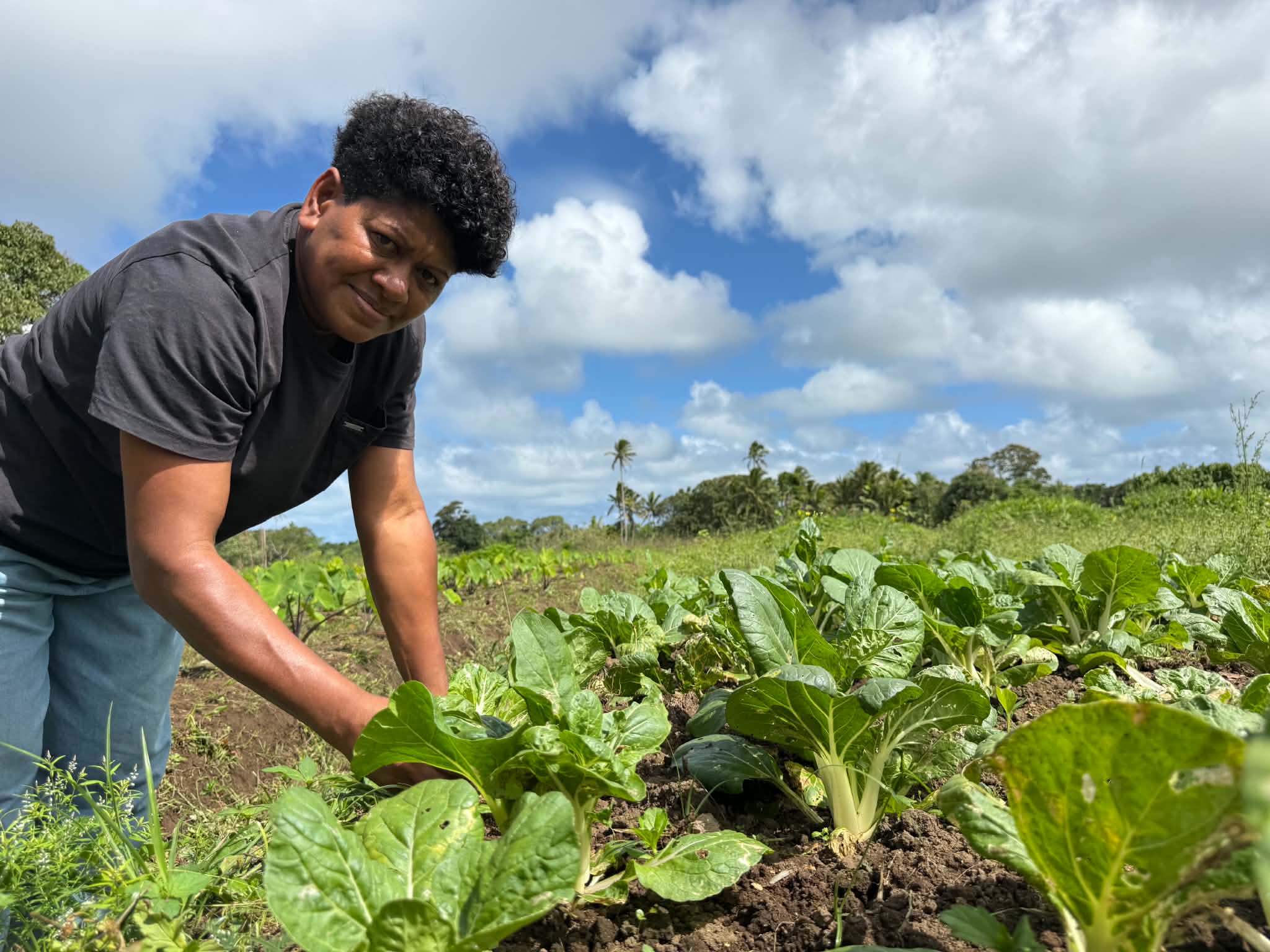
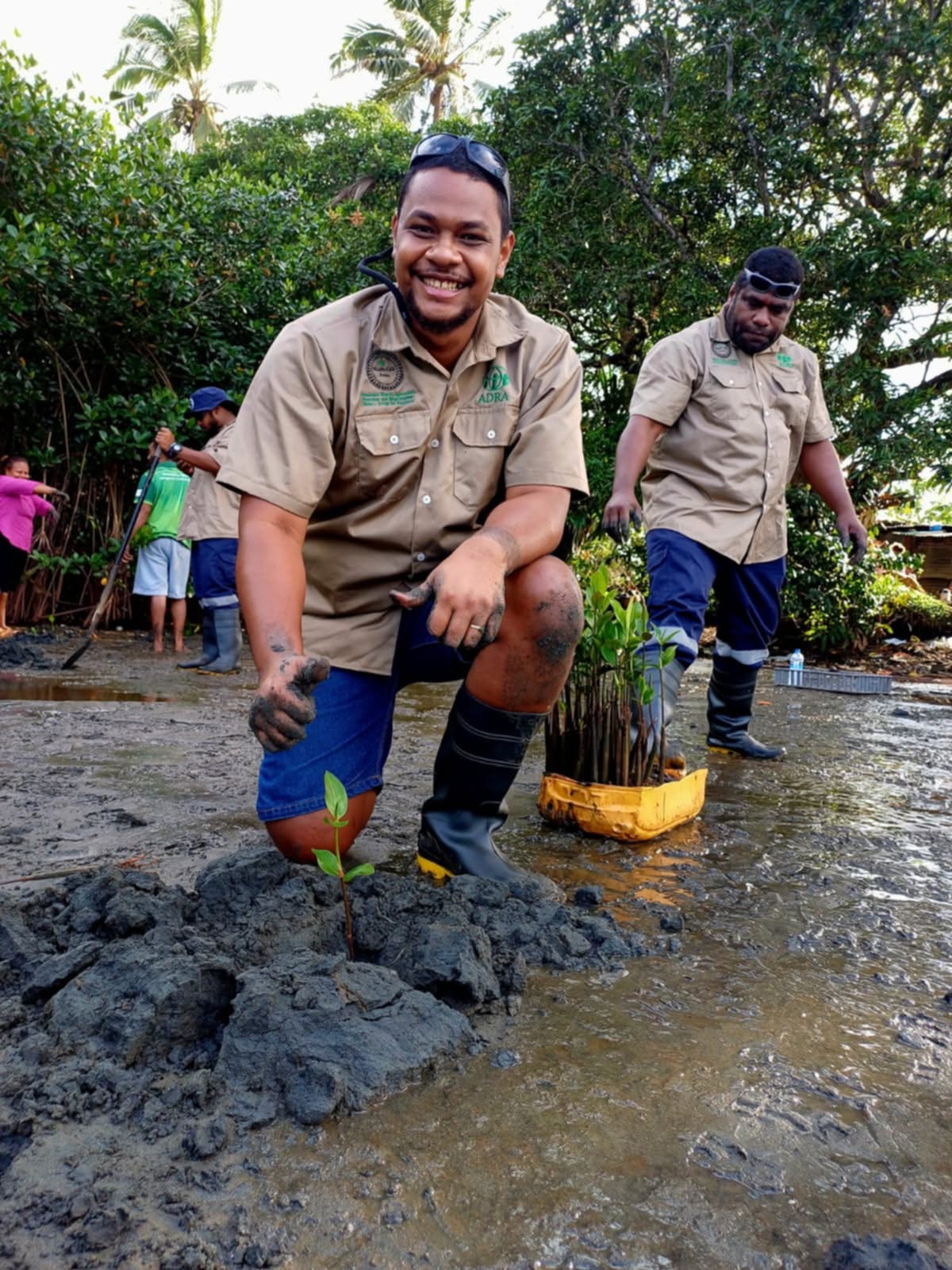
Climate-smart agriculture training was delivered across participating communities. The project established two operational demonstration farms supported by drip irrigation systems and distributed 121 irrigation kits to 121 households. Approximately 3,651 seedlings, including fruit and orchard crops, were facilitated, while 200 mangroves were planted in Nasigatoka. GIS-based spatial tracking was also introduced to strengthen monitoring and provide a clearer picture of long-term impact.
While these achievements demonstrate tangible progress, they tell only part of the story. A defining feature of SHAPE-CAR has been its commitment to drawing on the knowledge, experience, and practices that communities have developed and passed down through generations.
Traditional Knowledge in a Changing Climate
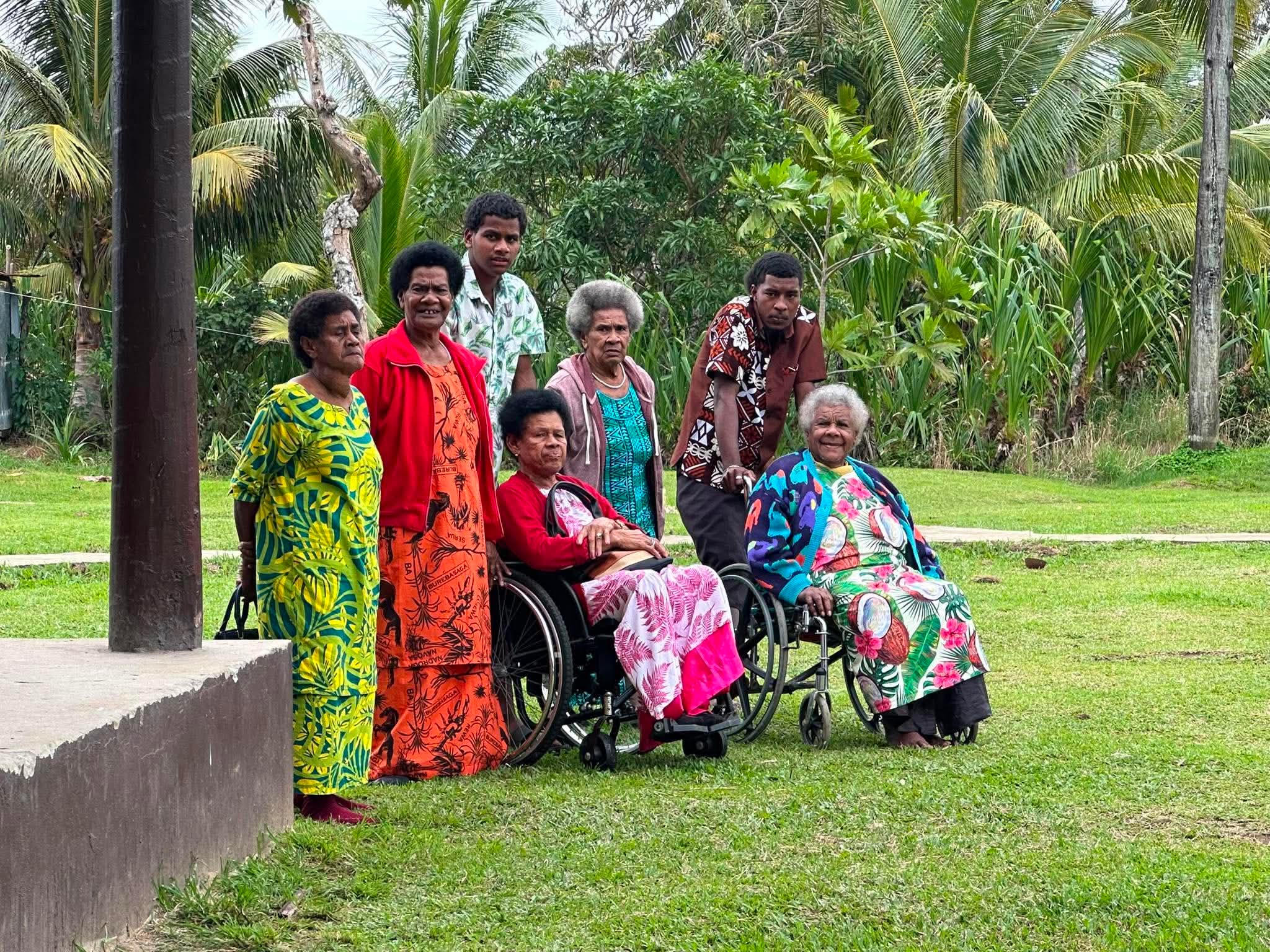
Across Rewa, knowledge about farming, fishing, seasonal patterns, natural resources, and community responsibilities has long been passed from elders to younger generations. However, cultural work undertaken through SHAPE-CAR identified growing concerns about the weakening of these knowledge-sharing pathways and the risk of valuable traditional knowledge being lost.
SHAPE-CAR has sought to create space for this knowledge within climate adaptation efforts rather than viewing it as separate from modern development. In Narocivo Village, for example, cultural mapping identified elders as important holders of traditional farming and fishing knowledge. It also highlighted a generational gap between elders and younger people, raising concerns about how this knowledge can continue to be transferred and preserved.
Knowledge of traditional crops, local ecosystems, and seasonal cycles can help communities better understand environmental changes and identify practical ways of adapting. At the same time, modern climate science and technology can provide communities with new information, tools, and techniques to strengthen resilience. Rather than treating these as competing systems, SHAPE-CAR has sought to bring them together.
The project’s cultural work describes this as a “hybrid system” that combines traditional wisdom with modern innovation. In agriculture, for example, elders’ knowledge of local crops and seasonal cycles can be strengthened through the use of climate-resilient farming methods, irrigation systems, and other technologies.
Central to this approach is the concept of Vanua, the deep connection between land, people, identity, and culture. In Narocivo, traditional practices such as Tabu were identified as existing mechanisms for protecting resources and allowing ecosystems to regenerate naturally. The cultural report connects these practices with opportunities for mangrove restoration, marine conservation, and sustainable resource management.
This approach recognises that communities are not simply beneficiaries of climate programmes. They are custodians of knowledge and active participants in determining how resilience should be built.
Lessons from Two Years
Beyond project outputs, the first phase of SHAPE-CAR has highlighted important lessons about what makes community resilience both effective and sustainable. One lesson is that climate adaptation and disaster risk management are most effective when they are integrated rather than treated as separate processes. As a result, SHAPE-CAR moved towards unified CCA-DRR action plans embedded within community systems and local decision-making structures.
Another lesson is the importance of Indigenous governance and culturally grounded accountability. Community-defined progress measures and resilience indicators were developed, including gender-responsive indicators that recognise the important role of women in climate adaptation and disaster risk management. The Solesolevaki buddy learning system also created opportunities for communities to learn from and support one another.
Agriculture has provided further insights. Training, demonstration farms, and household irrigation support helped improve productive capacity, with early harvesting observed in selected gardens. At the same time, the experience highlighted that climate-smart agriculture requires sustained technical support, particularly in communities facing recurring flooding and environmental variability.
These insights are now informing the next phase of SHAPE-CAR, which will build on the foundations established over the past two years and expand support to additional communities.
Expanding the Reach
The extension phase will increase the project’s reach to 12 communities. SHAPE-CAR will continue working with Vunisei, Vunuku, Nadoi, Nabua, Narocivo, Lokia, Nasigatoka, and Nabudrau, while expanding to Beqa Island communities including Naseuseu and Dakuibeqa, as well as Kumi and Ucunivanua in Tailevu Province.
The next phase will focus less on developing plans and more on putting those plans into action. This includes strengthening evacuation preparedness and practical disaster readiness, improving restoration planning and monitoring, and providing greater technical support for household food production and livelihood resilience.
Traditional ecological knowledge will play a stronger role in restoration activities, including decisions relating to restoration sites and species selection. GIS and spatial monitoring technologies will complement this knowledge by tracking survival rates and measuring longer-term environmental impact. Young people will also become increasingly central to the project. The extension introduces a stronger community youth component aimed at supporting mobilisation, intergenerational learning, and collective community action.
Over the past two years, SHAPE-CAR has demonstrated that resilience is strongest when communities are recognised not only as beneficiaries of development programmes, but also as holders of knowledge, experience, and solutions. Climate science, technology, and external support all have important roles to play, but lasting resilience depends on communities owning the process and drawing strength from the knowledge embedded within the Vanua.
As SHAPE-CAR expands its reach, its focus will remain on connecting modern approaches with generations of lived experience, while ensuring women, young people, traditional leaders, and households are active participants in shaping their future.
Building on these foundations, a new phase of work will begin in February 2027 under the RIVERS Project, extending support to additional communities while continuing to strengthen locally led climate action, disaster preparedness, and sustainable livelihoods.