
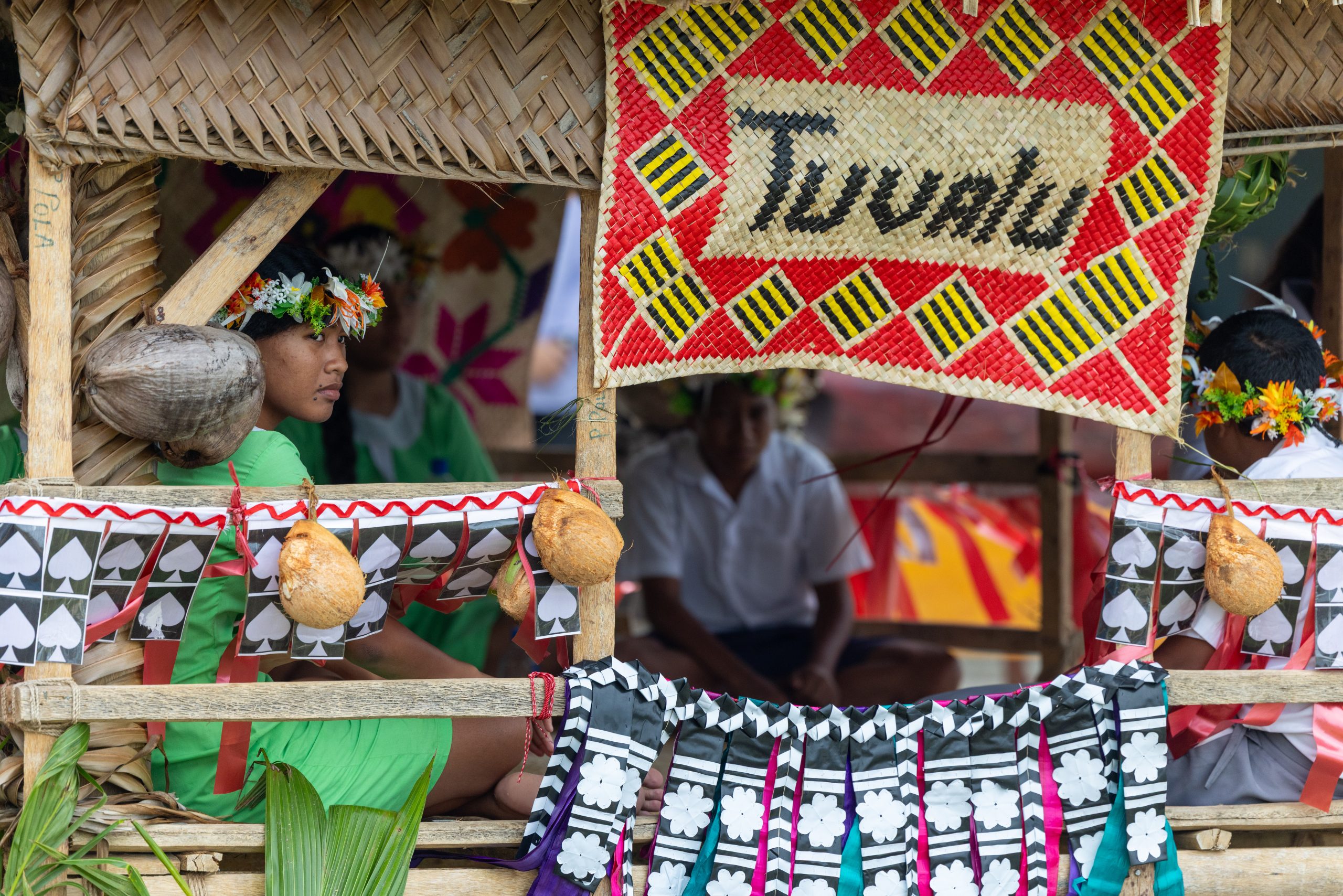
This editorial draws on The Taku Pakasoa Declaration: Strength in Unity from the PRECOP31 Leaders Meeting in Tuvalu and adds no missing details.
THE Taku Pakasoa Declaration reflects strength in unity and collective action. The declaration brought together voices from around the world in Tuvalu and Fiji on Oct. 6, 2026, to witness the grave threat climate change poses to the Blue Pacific, its people, culture, and livelihoods. It calls on the world to unite behind those on the front lines of the climate crisis.
That call carries particular strength in the Pacific, where people have lived in rhythm with the ocean and their culture and identity are woven through its tides. Today, the same ocean threatens this way of life. Standing only metres above the sea, Tuvalu faces the realities of climate change every day. Communities meet uncertainty with courage, resilience and deep ancestral knowledge.
The threat does not stop at the Pacific. It also faces small island developing states in the Indian and Atlantic oceans and the Caribbean, and foreshadows the future unless the world acts together now.
With global temperature increases approaching 1.5°C and strong El Niño conditions, every fraction of a degree of warming accelerates climate change impacts. It increases the risk of irreversible loss and damage, particularly for small island developing states and least developed countries.
The declaration commends Pacific island countries for advocacy that has helped elevate global commitment to addressing the climate emergency, sustain momentum to limit the duration and magnitude of overshoot, and keep the 1.5°C temperature goal alive, in accordance with the Paris Agreement.
That leadership is essential. So too are the leadership and advocacy of global youth, Indigenous Peoples, and local communities essential to decision-making and to future generations.
Unity also requires support for resilience where climate impacts are felt. The declaration commends establishing the Pacific Resilience Facility to strengthen regional resilience, disaster preparedness and adaptation, and response to loss and damage. It calls upon those with the capacity to contribute to strengthen community resilience and drive local climate action.
The ocean is not a separate concern. Pacific, Indian, and Atlantic Ocean nations, Indigenous Peoples, and local communities have managed land, coast, and sea for generations. The declaration calls for maintaining the integrity of ocean and natural forest ecosystems, as ocean warming, acidification, sea-level rise and marine biodiversity loss accelerate.
It describes the ocean as the planet’s primary climate regulator, largest active carbon sink, and an engine of global food security and weather stability.
The declaration calls for collective effort to limit global average temperature rise to below 1.5°C, minimise impacts on ocean currents and circulation systems, reduce the risk of dramatic disruption to climate systems and strengthen ocean science. It welcomes the UNFCCC’s efforts to address climate change impacts on the ocean and strengthen ocean solutions across climate action, including through the ocean and climate change dialogue and the Second GST.
Ahead of COP31, all parties are called upon to advance global climate action and implementation. Taku Pakasoa brings voices together in unity, resilience and power. The call is to address shared challenges, protect cultures, build a shared future, and secure a better future for generations to come.


