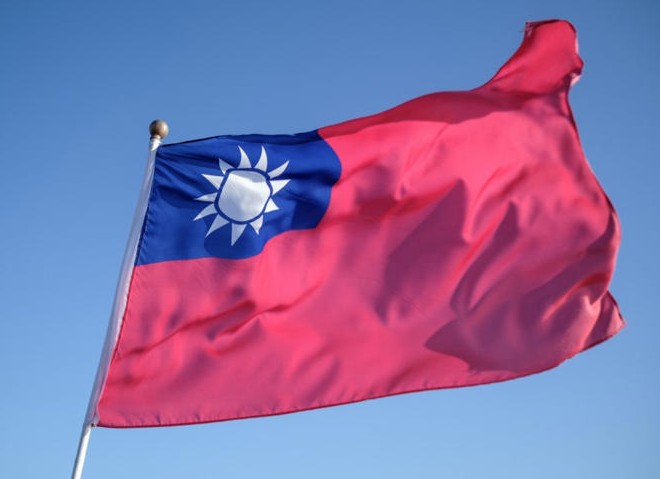
TAIWAN has confirmed the closure of its representative office in Papua New Guinea (PNG), withdrawn its personnel, and terminated all technical cooperation and aid programmes after Port Moresby decided to uphold the One-China Policy.
Taiwan’s Foreign Ministry announced the decision on Friday, saying it would also review its bilateral relationship with PNG after the PNG government renewed demands that the Taipei Economic Office in Port Moresby shut down and its personnel leave the country.
The closure follows an announcement by PNG Foreign Minister Justin Tkatchenko in July that Prime Minister James Marape’s government had decided to honour and uphold the One-China Policy.
At the time, the PNG Government said it would no longer recognise or require Taiwan’s official presence within its jurisdiction.
Taiwan said the decision to close its office and withdraw all stationed personnel was made following a comprehensive assessment of its national interests and diplomatic relations.
Taiwan established its representative office in Port Moresby in February 1990 and said it had supported PNG in economic development, agriculture, healthcare and skills development over the years.
However, its Foreign Ministry said the PNG Government’s recent actions had seriously undermined the mutual trust established through long-term cooperation.
Taiwan also accused China of using political pressure and economic influence to interfere in other countries’ diplomatic decisions and restrict its international participation.
Taiwan stops PNG LNG purchases
Alongside the closure of its office and termination of aid programmes, Taiwan has confirmed it will no longer sign new spot contracts to purchase PNG’s liquefied natural gas (LNG).
The Foreign Ministry said projected spot purchases for the first half of 2026 were approximately 500,000 tonnes.
Taiwan has been a key market for PNG’s natural gas, accounting for about one-third of the country’s total LNG exports.
The ministry warned the suspension would substantially affect PNG’s natural gas exports and foreign exchange earnings.
However, it said Taiwan’s energy supply would not be affected by the decision.