 2024 – 2026
 2020 – 2023
 2017 – 2019
 Catalogue
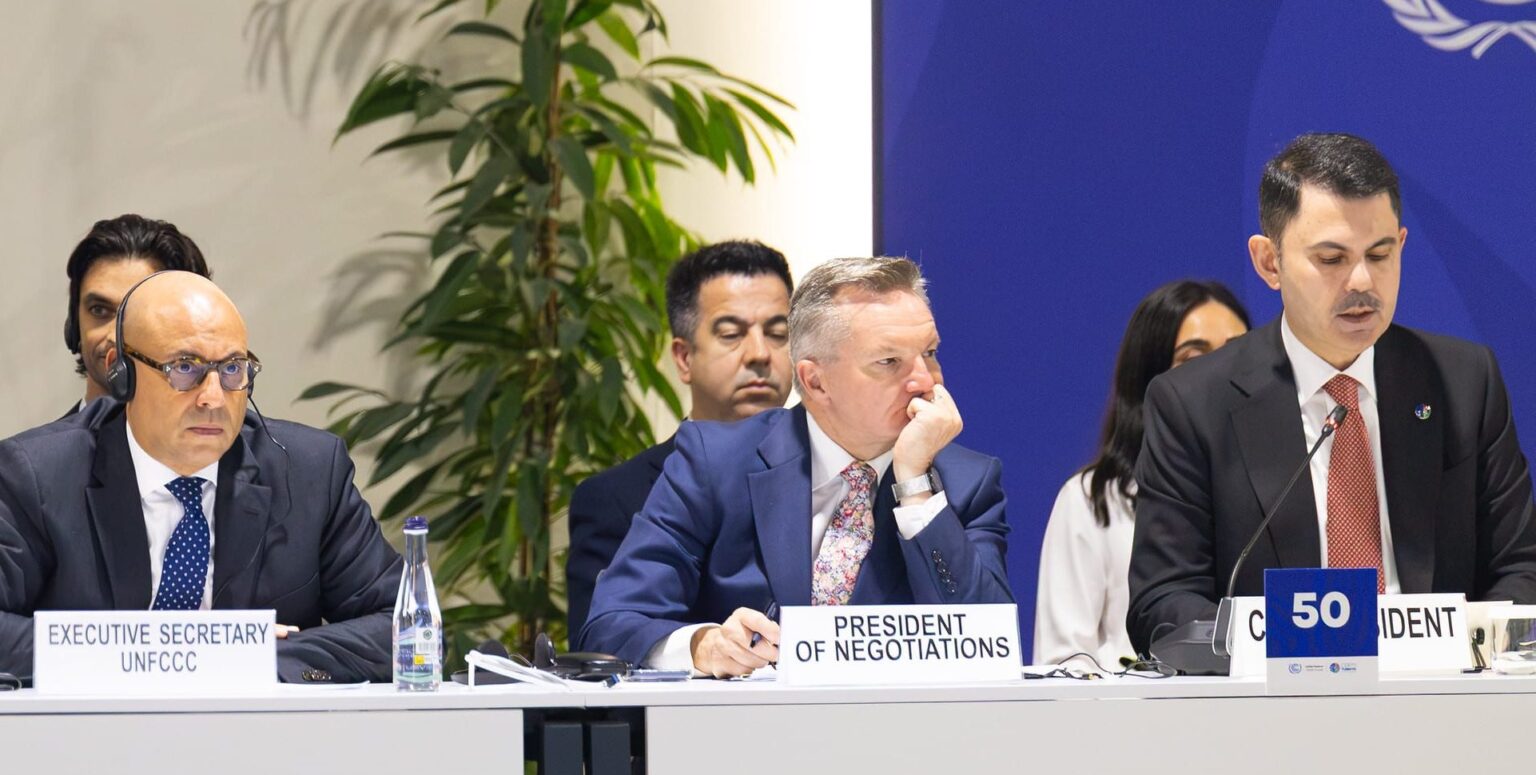
The Pacific Elders’ Voice has expressed “profound disappointment” at COP31’s failure to produce a consensus outcome.
It blames what it calls a lack of leadership by both Australia and Türkiye.
In a statement, the group said the outcome is especially troubling for the Pacific and for pre-COP hosts Fiji and Tuvalu. It said both were “led down the rose garden”, believing the concerns of small island states would be heeded.
The Elders said Pacific demands were far from radical. They included recognition of the dangers of overshooting 1.5°C, decisions guided by scientific evidence, and adequate financing for communities and countries dealing with climate impacts. They also called for a transition away from fossil fuels through renewable energy, which for many Pacific nations is a matter of survival.
The group also pointed to the International Court of Justice’s Advisory Opinion, which found that all states must act to prevent significant climate harm with stringent due diligence. It said states must do so cooperatively, in line with equity and common but differentiated responsibilities, and while protecting the human rights of current and future generations.
The Court described climate change as “an existential problem of planetary proportions that imperils all forms of life and the very health of our planet.”
Questions for Australia
The statement was pointed in its criticism of Australia.
It noted that Canberra has recently signed bilateral pacts with Fiji, Naoero, Papua New Guinea, Tuvalu and Vanuatu.
It said Australia continues to present itself as a defender of Pacific security and welfare, and that it used its Pacific relationships for more than two years to support its bid to host the talks.
“However, when it mattered, Australia has sided with the fossil fuel producers and lobbyists,” the Elders said, adding that there is “clearly a ‘trust’ gap between Australia and the Pacific Island States.”
They said Pacific nations had hoped Australia would also defend action on climate change, which regional declarations and communiqués have repeatedly named as the single biggest security threat.
Backsliding and the call to hold the line
The Elders called it “shocking” that COP31 saw significant backsliding from the commitments made in Dubai in 2023.
They said petrostates and corporations appear to have hijacked the process and asked why a small number of states are privileged enough to outweigh the scientific evidence and the voice of the Global South.
They backed the countries that declined to accept a watered-down outcome, given the threat climate change poses to the survival of many Pacific small island states.
They also warned that attacks on science and the IPCC by parties with vested interests should not be allowed to influence multilateral processes.
The Elders urged Pacific small island developing states to keep opposing any overshoot beyond 1.5 degrees and to demand climate justice. That includes financing for the harm caused by extreme weather and sea level rise. They also called on the region to hold major emitters, including Australia, to account.