 2024 – 2026
 2020 – 2023
 2017 – 2019
 Catalogue
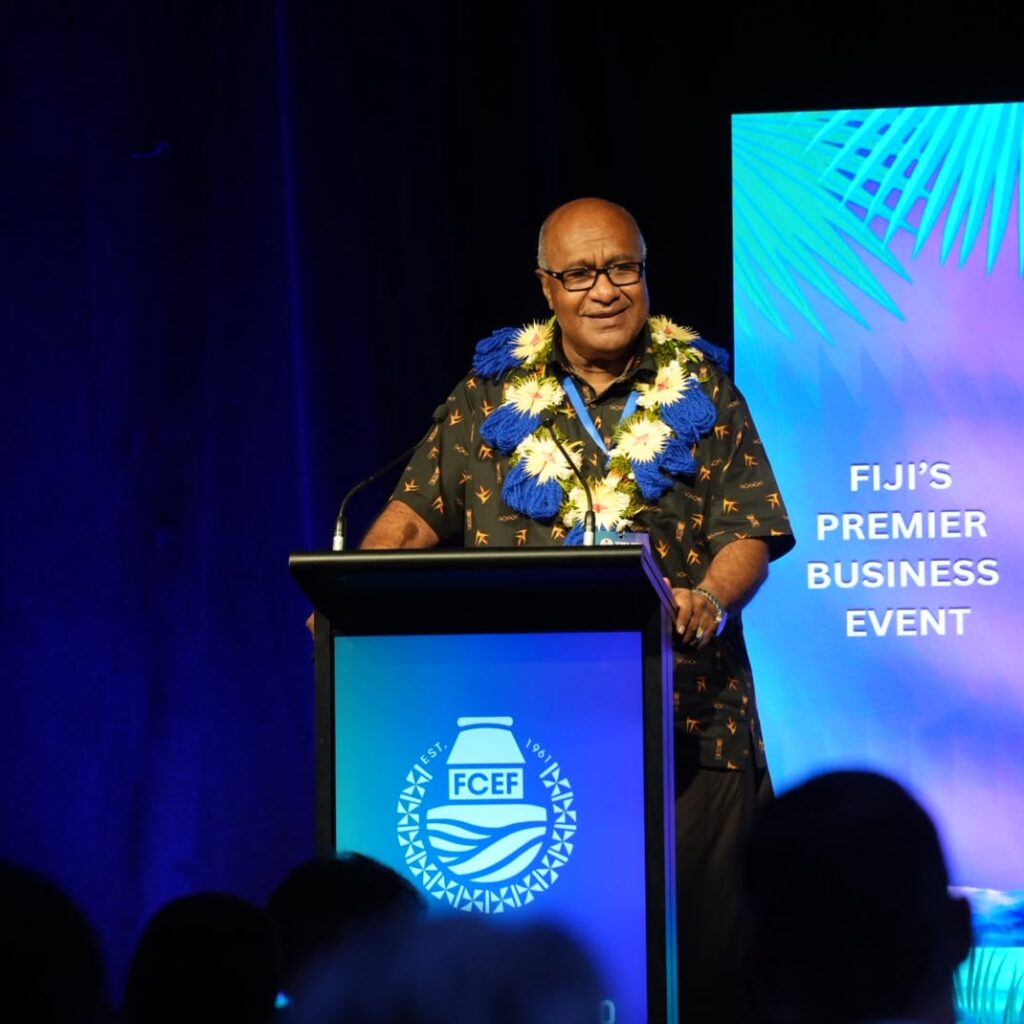
FIJI’S productivity growth is falling well below national targets, while businesses struggle to fill 95 positions locally, raising concerns about the country’s workforce readiness and economic competitiveness.
Deputy Prime Minister and Minister for Industries, Commerce and Business Development Manoa Kamikamica highlighted these challenges when opening the Top Executive Conference (TOPEX) 2026 at the Sofitel Fiji Resort & Spa.
He said productivity growth was currently tracking at about 1.3 per cent, against the National Productivity Plan’s annual target of 3.2 per cent.
“We must close this gap,” Kamikamica said.
He called for stronger collaboration between government and the private sector, stressing that neither could address the country’s economic challenges independently.
“The challenges facing our economy cannot be addressed by government or the private sector acting alone,” he said.
“We need a stronger partnership built on trust, open dialogue, shared responsibility and a common commitment to national development.”
Organised by the Fiji Commerce and Employers Federation (FCEF), TOPEX brings together business leaders, executives and policymakers to discuss Fiji’s economic outlook, investment opportunities and private sector growth.
Kamikamica said the National Skills Gap Survey, conducted by FCEF in partnership with his Ministry, identified 95 positions employers were struggling to fill locally.
The survey also recorded a 79 per cent increase in foreign workers over the past three years.
He said the findings highlighted the need to align education and training with industry requirements better.
“I am also concerned by the Tertiary Scholarship and Loan Services (TSLS) figures indicating that approximately 33,000 sponsored students did not complete their studies, representing an estimated cost of $235 million,” he said.
“This raises important questions about the alignment of our education and training investments with the actual skills requirements of our economy.”
Kamikamica said public investment in education and training must translate into qualified, work-ready graduates who could contribute to national development.
To address workforce shortages, the Ministry of Immigration has suspended five requirements for work permit applications, while work is progressing on arrangements to allow spouses of expatriates and regional students to participate in the workforce.
Earlier this week, Kamikamica launched the National Strategic Human Resource Development Plan to guide workforce development.
Government has also restored 50 per cent of the one per cent employer levy to the training pool in the current Budget, with discussions continuing on proposed management arrangements.
“Our objective is clear: education and training must respond to the needs of the economy,” he said.
On productivity, Kamikamica identified absenteeism, particularly around Mondays and paydays, and presenteeism as issues affecting workplace performance.
He said productivity was not simply about working longer hours but improving skills, management practices, technology and workplace discipline.
“Productivity is a shared responsibility. Employers must invest in training, technology, effective management and better working environments. Employees must demonstrate commitment, discipline and accountability,” he said.
Reducing the cost of doing business
Kamikamica said the high cost of doing business remained another major concern, particularly given Fiji’s geographical circumstances, dependence on imported inputs and exposure to external price movements.
Government has introduced several measures to address these pressures, including the BusinessNow platform to simplify access to government services and information.
Fuel duty concessions for manufacturing, tourism and mining have also been extended to December 31, 2026, providing an estimated $6 million in savings to businesses.
However, Kamikamica said more needed to be done to reduce operating costs over the long term.
“We must go further,” he said.
He said improving productivity, addressing skills shortages, reducing regulatory delays and strengthening infrastructure were essential to lowering business costs.
He also called for greater investment in renewable energy, energy efficiency and climate-resilient infrastructure to reduce operating costs and strengthen energy security.
On minimum wage adjustments, Kamikamica acknowledged concerns from businesses, particularly small enterprises.
He said future adjustments must consider labour market conditions, productivity, business sustainability and the broader economic environment.
“We must balance the need to improve workers’ livelihoods with the need to protect jobs, business viability and economic competitiveness,” he said.
Kamikamica said government would continue improving the business environment, investing in infrastructure and strengthening workforce capabilities.
He called on the private sector to invest, innovate, create employment and develop local talent to build a more diversified and resilient economy.
“Our shared objective must be to build an economy that creates opportunities for all Fijians, strengthens local businesses and positions Fiji to compete confidently in the region and beyond,” he said.